NEPA & NECTOP 2026 Conference

NECTOP Conference
Friday, November 6th, 2026
NEPA Conference
Saturday, November 7th, 2026
Confirmed Symposiums and Speakers
Through September 14, 2026


Leading Across Campus: Different Leadership Roles with a Shared Purpose
Colleen J. Sullivan, PhD, Amy Cota-McKinley, PhD, and Nicole Rosa, PhD,Worcester State University Many careers in higher education begin with a love of teaching, mentoring students, and conducting research. The psychology professors presenting this symposium began in...

Doing Psychology Critically and Inclusively
In a turbulent, politically polarized, and quickly changing world, current and future
psychologists face important and difficult questions, such as: What is the role of
psychology in contributing to the well-being of all people?

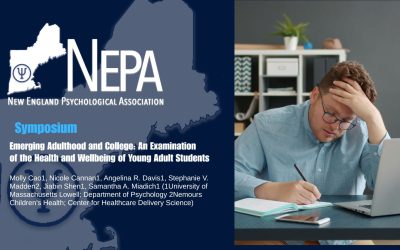
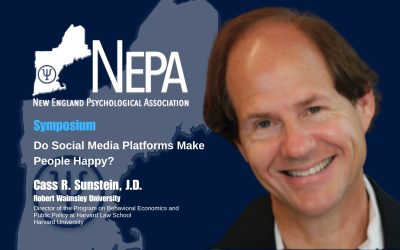
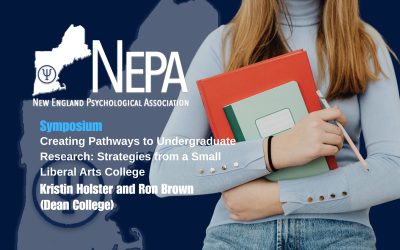


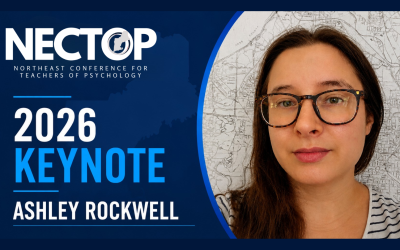

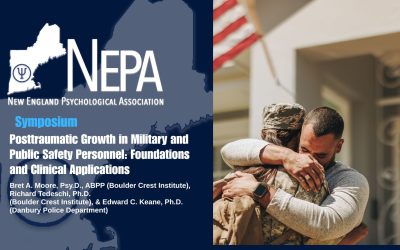
Posttraumatic Growth in Military and Public Safety Personnel: Foundations and Clinical Applications
This symposium examines posttraumatic growth among military and public safety personnel, including its foundations and applications in clinical care, peer support, leadership and organizational settings.

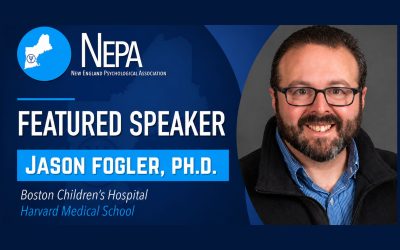
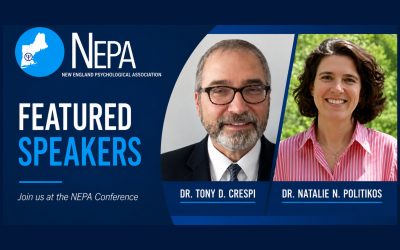

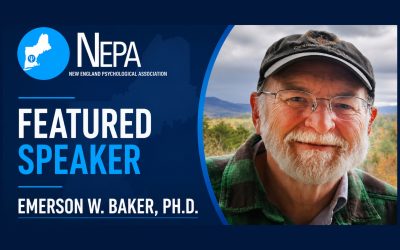
2026 Calls for Submissions
NECTOP Priority Submission
NECTOP welcomes a wide range of presentation formats to accommodate diverse interests and teaching contexts. Whether you’d like to share empirical research, showcase an innovative teaching strategy, lead a collaborative discussion, or present a session on pedagogy, we encourage you to submit a proposal.
NEPA Priority Submission
NEPA invites the submission of papers and posters with clear and detailed articulation of research questions, procedures, data analyses, and implications of the results.
Theoretical and literature review submissions will be considered as papers provided that they present new ideas, models, or frameworks for future research. Papers and posters may be qualitative or quantitative in concept and methodology, provided that a sufficient description of data sources/evidence, evaluation procedures, and substantiated conclusions is provided.
Psychology of Horror, Witchcraft, and the Paranormal

In recognition of Salem’s unique history and cultural legacy as “Witch City,” the New England Psychological Association invites submissions for special-themed sessions at the 2026 Annual Conference.
This session will highlight scholarly work that explores psychological research or applied practice related to horror, witchcraft, the occult, paranormal beliefs, folklore, superstition, fear, and the macabre.
Honorary Undergraduate Scholar (HUS) awards will be presented at NEPA’s Annual Meeting, which is being held on November 7, 2026, to recognize individuals with outstanding undergraduate records in psychology and to encourage promising students to pursue careers in the discipline.
Students pursuing associate and baccalaureate degrees are eligible for HUS awards, and the Experiential Activity criterion recognizes potential differences in curricula and opportunities across institutions.
The New England Psychological Association’s (NEPA) Distinguished Contribution Award (DCA) for 2026 will be presented to a psychologist with a current or prior association with New England who has demonstrated exceptional contributions to the field.
The award recognizes individuals who have advanced the science of psychology, applied psychological knowledge to meaningfully improve individual and community well-being through service, or conducted sustained programmatic research or professional work that is making significant strides in expanding psychological knowledge.
The DCA also honors psychologists who have shown an extraordinary commitment to teaching and mentoring, reflecting innovation, leadership, and dedication well beyond the expectations of standard professional practice.

CONTACT
Association Coordinator's
Mailing address:
Michael Amico, Ph.D.
Housatonic Community College
900 Lafayette Blvd
256 Beacon Hall
Bridgeport, CT 06604
NEPsychological@gmail.com
Phone: 203-362-5163
