Friday
4:00 PM – 5:00 PM
Ted Bosack Address
Bertolon School of Business Recital Hall
Wait-Don’t Burn the Witches! How to Use the Supernatural as a Teaching Tool

Melissa Maffeo, Ph.D.
Associate Teaching Professor
Associate Director, Program of Neuroscience
Wake Forest University
Melissa Lovitz, Ph.D.
(Queens College)
Introduction
What do witch trials, ghosts, aliens, and psychics have to do with the teaching of psychology?
Quite a lot, actually.
About three in four Americans believe in some form of supernatural activity. This statistic leads to fascinating questions that can be raised in a psychology class. Are there psychological traits that cause some people to believe more than others? Are some people more sensitive to environmental stimuli? Are there factors that would cause one person to label an experience as supernatural while another labels it as ordinary? By using stories of things that go bump in the night, teachers of psychology can pique the curiosity of their students and leverage that curiosity to promote the skills and dispositions that underlie critical thinking.
Most supernatural occurrences can be explained by psychological science. As teachers, we can use the supernatural as a backdrop to teach important concepts in psychology – that science relies on empirical evidence, that psychology can explain principles of behavior while recognizing individual differences, and that our perceptions and biases filter our experiences. By exploring supernatural phenomena with the major subfields of psychology, students will gain content knowledge, learn to exercise scientific reasoning, develop interpersonal and intercultural responsiveness, and be more tolerant of ambiguity. In this talk, I will share easy-to-implement pedagogical strategies that utilize stories of the supernatural to teach students the importance and relevance of psychological science.
Session I: 9:00 AM-10:00 AM
Science and Society Keynote Address
Bertolon School of Business Recital Hall
(1) Doing Psychology Critically and Inclusively

Grace S. Kim, Ph.D.
Clinical Professor, Counseling Psychology
Department of Counseling Psychology & Applied Human Development
Boston University Wheelock College of Education and Human Development
In a turbulent, politically polarized, and quickly changing world, current and future psychologists face important and difficult questions: What is the role of psychology in contributing to the well-being of all people? How do we use knowledge gained from psychological science to reduce and dismantle systems of oppression? How do we make psychology more inclusive and beneficial to diverse populations?
Drawing from critical psychology (Prilleltensky & Nelson, 2002), this keynote address will encourage us to reflect on how psychologists can approach teaching, research, and practice more critically and inclusively by addressing issues of power and centering marginalized voices. Research on Asian American experiences will illustrate ways to expand methodology and practice toward this goal.
Symposium
Bertolon School of Business Room 112
(2) The Role of Inter-professional Collaboration and Co-Mentoring Strategies in Facilitating Growth Domains among University Students
Sukanya Ray, Ph.D. (Suffolk University), Kate Gannon, Esq. (Suffolk University), Valerie Bukhovko (Suffolk University UG Research Assistant), & Madison Freeman (Suffolk University UG Research Assistant)
This presentation examines the roles of interprofessional collaboration, co-mentoring strategies, and experiential learning approaches in facilitating personal and professional development among Psychology and Law students in higher education. Relevant theoretical frameworks and empirical literature will be presented to illustrate these perspectives and their impact on student learning outcomes. The session will explore how collaborative and comentoring models foster diverse perspectives, creative thinking, team-based problem-solving, self-reflection, and personal growth across disciplines. Presenters will discuss the benefits and challenges of interdisciplinary collaboration, the integration of cross-disciplinary experiential learning projects, and key themes emerging from student projects and feedback. In addition, the presentation will highlight specific learning outcomes associated with experiential learning and professional development. Finally, presenters will discuss the implications of co-mentoring and interdisciplinary teaching strategies for educators and their impact on student growth in higher education.
Abstracts are presented sequentially (i.e., #1 through #37) in the 9:00 AM – 10:00 AM session. Abstracts can be located using the index in the back of the program book.
Session I: 9:00 AM – 10:00 AM
Educators, researchers, and consultants are invited to engage in dialogue regarding opportunities and challenges associated with interdisciplinary collaboration within academic settings.
Symposium
Bertolon School of Business Room 111
(3) Conjuring Wisdom: Life Lessons and Purpose Across Generations
Marcotte, Achin, Faria, Lewis, & Wilkins (Rhode Island College), Botelho & DeSalvo (University of Rhode Island), Caicedo & Ruthmann (Borough of Manhattan Community College), Prewitt-Freilino (Rhode Island School of Design), Castro (NYU), & Parkin (Fordham)
As people move through the lifespan, their experiences shape not only how they understand their own lives, but also the wisdom and support they offer to others. This symposium examines how older adults draw on lived experience to provide advice, maintain meaningful connections, and find purpose across generations and cultural contexts. Three qualitative studies explore these processes through interviews with grandmothers, older immigrants, and retirees. Findings demonstrate how grandmothers transform experiences with restrictive gender expectations into advice encouraging younger women toward greater autonomy and authenticity; how culture and gender shape the life lessons older immigrants share about education, relationships, family, and resilience; and how retirees seek purpose and connection through meaningful opportunities to contribute and volunteer. Together, these studies highlight older adults not simply as recipients of support, but as valuable sources of knowledge, resilience, and social connection. The findings demonstrate the importance of creating opportunities for older adults to share their experiences, contribute to their families and communities, and remain meaningfully connected across generations.
Paper Session – Session I: 9:00 AM – 10:00 AM
Developmental Psychology
Bertolon School of Business Room 113
Juan Zhong, Ph. D. (Springfield College), Chair
9:00 AM – 9:15 AM
(4) Paper 1: Effects of Early-Life Motor System Injury on Neuromuscular Junction Maturation in Developing Effects of Early-Life Motor System Injury on Neuromuscular Junction Maturation in Developing Animal Models: A Systematic Review Models: A Systematic Review
Elian Gonzalez (University of Rhode Island)
Early-life motor system disruption is a major contributor to long-term motor impairment, yet its effects on neuromuscular junction (NMJ) maturation remain poorly understood. This systematic review examined how early-life motor system injury or disruption influences NMJ development, including synapse elimination, polyinnervation, and structural maturation. A comprehensive search on PubMed, Embase, and Google Scholar identified 1,231 records. After duplicate removal and screening, 89 studies were assessed for full-text eligibility. Of these, 61 were excluded based on predefined criteria, resulting in 28 studies included in the qualitative synthesis. Three additional foundational studies were manually included due to their relevance to activity-dependent synapse elimination, yielding a total of 31 studies in the final integrative synthesis. Across studies, NMJ maturation was strongly influenced by motor neuron activity patterns, particularly the timing and correlation of firing between competing inputs (Buffelli et al., 2002; Favero et al., 2012). Disruption of activity through injury, denervation, or experimental manipulation consistently altered synapse elimination and prolonged polyinnervation (Brenner, 1988; Busetto et al.,2000). Early- life injury did not always result in immediate structural degeneration but instead altered developmental trajectories, leading to persistent functional and structural immaturity (Murray et al., 2008). Molecular and glial mechanisms further contributed to synaptic refinement, while disease models demonstrated that impaired NMJ maturation can precede overt degeneration (Sleighnu et al., 2014). Together, these findings support a model in which early- life disruptions alter NMJ maturation primarily by interfering with activity-dependent synaptic competition and developmental signaling processes.
9:15 AM – 9:30 AM
(5) Paper 2: Resilience Through Resistance: How Parental Factors Moderate the Psychological Impact of Urban Adolescents’ Anti-Classist Critical Action
Amanda G. Caccia Cruz, M.S., Amy E. Heberle, Ph.D., & Samantha Francois, Ph.D. (Clark University)
Urban adolescents face elevated mental health risks rooted in structural socioeconomic inequities, and although critical action can foster resilience, it may also carry psychological costs. The conditions under which such engagement protects rather than harms mental health, particularly within the family context, remain poorly understood. This study examined whether parental critical motivation, involvement in anti-classist critical action, and subjective social status (SSS) moderated associations between adolescents’ interpersonal, communal, and political anti-classist action and their psychological functioning. Participants were 228 urban adolescent-parent dyads (adolescent M age = 15.11, SD = 1.46; 52.2 percent male) drawn from a larger preregistered dataset. Adolescents reported their anti-classist action, depressive symptoms, and psychological well-being, and parents reported their critical motivation, involvement, and SSS. Hierarchical regression analyses tested moderation across twelve models. Higher interpersonal action was associated with greater depressive symptoms and lower well-being, whereas communal action was associated with fewer depressive symptoms. Higher parental critical motivation weakened the link between communal action and depressive symptoms, and greater parental involvement weakened the links between interpersonal action and both outcomes, whereas parental SSS moderated no association. These findings position family-level sociopolitical engagement as a protective resource and point to family-centered interventions that support adolescent resilience amid systemic oppression.
9:30 AM – 9:45 AM
(6) Paper 3: Healing Attachment Wounds Through Romantic Love: Exploring Narratives of Earned Security
Ashlyn Griffith & Karen Meteyer, Ph.D. (Antioch University New England)
Although existing attachment research has examined the traits that encourage security in other relational contexts, limited research has explored the lived attachment experiences of couples or their shared understanding of how security develops within romantic love. Five long-term romantic couples participated in semi-structured dyadic interviews designed to elicit shared narratives of relationship development, experiences of insecurity, and relational change. Data was analyzed using Interpretive Phenomenological Analysis (IPA), with attention to both individual meaning making and the co-constructed nature of the dyadic narratives. Analysis revealed three superordinate themes: (a) establishing safety through consistent emotional responsiveness, (b) navigating insecurity through rupture and repair as a shared relational process, and (c) the gradual internalization of earned security over time. Across couples, earned security was not described as the absence of insecurity, but as a felt shift in how insecurity was experienced, understood, and managed within the relationship. These findings suggest that romantic relationships may serve as meaningful contexts for attachment reorganization in adulthood and support conceptualizing earned attachment security as a relationally sustained process rather than a fixed attachment outcome.
9:45 AM – 10:00 AM
(7) Paper 4: Unpacking the Riddle of Smartphone Use in College Students: A Multimethod Approach
Julia A. Martinez, Carly Brian, Edlin Davis, Angelina Foglia, Aidan Huang, Mackenzie Laurion, Anne Martinson, & Maria Nikc (Colgate University)
Smartphones are heavily used by college students, who describe a love-hate relationship. It is also unclear whether smartphones improve or worsen academic performance. Study 1 was a survey of N=169 to replicate a twelve-year-old measure of problematic cell phone use in college. Study 2 was a field study of N=136 inviting students to discuss their smartphone use. Study 3 was an experiment of N=60, examining how the availability hypothesis (i.e., the mere presence of a smartphone) affects studying. Results from Study 1 showed increases in problematic use. Study 2 highlighted students’ ambivalence. Study 3 showed that the mere presence of a smartphone affected book studying in complex ways. Given the ubiquity of smartphones, problematic use carries nuances. These findings offer directions for interventions.
Poster Session I: 9:00 AM – 10:00 AM
Bertolon School of Business Dining Commons
(8) Poster 1: Navigating the Path to Professional Licensure: Barriers Faced by Underrepresented Behavioral Health Providers in Massachusetts
Alexandra Alden, Ph.D. (William James College), Trang Le, Ph.D. (William James College), & Gemima St. Louis, Ph.D. (William James College)
(9) Poster 2: Reflective Engagement and Transformational Learning in Professional Identity Formation
Michelle Tichy (Alfred University)
(10) Poster 3: The Scary Realities of Retirement and Getting Ghosted in Volunteering
Anne Marlow Ruthmann (BMCC)
(11) Poster 4: Attachment Styles, Intimate Relationships, & Conflict Resolution
Shuxian Chen, Yukefan He, Yijun Kim, Rishabh Nedunuri, Chutian Wu, Irene Zheng, & Diane Mello-Goldner, Ph.D. (Boston University)
(12) Poster 5: The Impact of Campus Involvement on Belongingness and Big Five Personality Traits in College Students
Anna Jofre, Allison Phillips, Ayushi Budhraja, Jianna Bueti, Kat Harmon, Sarah Tayeh, & Diane Mello Goldner, Ph.D. (Boston University)
(13) Poster 6: Birth Order, Family Dynamics, and Self-Esteem
Ella Kim, Cheyenne Lehman, Isabella Cloutier, Fabiola Cario, Isabella Kijek, Sarah Rohrbeck, & Diane MelloGoldner, Ph.D. (Boston University)
(14) Poster 7: The Moderating Role of Adaptive and Maladaptive Perfectionism on Cognitive Distortions and Burnout
Myla Indigaro, Catherina Jiang, Serina Liu, Brian Zhang, Casper Zhu, & Diane Mello-Goldner, Ph.D. (Boston University)
(15) Poster 8: The Impact of Social Media Engagement on Body Image, Self-Esteem, and Loneliness
Maya Gould, Camilla Lu, Jacob Tang, Jacqueline Liu, Lauren Lee, Seamus Edgecombe, & Diane MelloGoldner, Ph.D. (Boston University)
(16) Poster 9: A Systematic Review of Adult Insecure Attachment Styles and Relationship Grief Experiences
Anna Tamm, M.Ed., M.S.
(17) Poster 10: Born to Think: How Birth Order Affects Divergent and Convergent Thinking
Shea McDaniel, Emily-Jane Sullivan, Natalie Bruneau, Alyzza Alicea, Deana Vitrano, Ph.D., & Abigail Caselli, Ph.D. (Western New England University)
(18) Poster 11: Hard-Wired Minds or Flexible Learners? A Replication Study of Learning Style Beliefs
Mary-Kate Agnes, Manny Garcia, Evelyn Picone, Meghan Firnstein, Deana Vitrano, Ph.D., & Abigail J. Caselli, Ph.D. (Western New England University)
(19) Poster 12: Divergent and Convergent Thinking Across Age: A Correlational Analysis
Alyssa Davignon, Deana Vitrano, PhD, & Abigail J. Caselli, PhD
(20) Poster 13: Motivation, Personality, and Personal Intelligence: A Correlational Study
Ummul Fatima (University of New Hampshire), John D. Mayer (University of New Hampshire), & Evelyn Lindenburg (University of New Hampshire)
(21) Poster 14: Large Language Model Dependence and Academic Burnout: Cognitive and Behavioral Effects in Undergraduate Learning
Rocio Rodriguez Cabarcas, Gianni Kolias, Mateo Jaime Luna, Kyler Palmer, Leandro Romo, Rohan Sharma, & Diane Mello-Goldner, Ph.D. (Boston University)
(22) Poster 15: Do Opposites Attract? Big Five Traits in Current and Ideal Romantic Partners
Faith Asafo-Boakye, Eilyn Beltre, Zhixin Fu, Matheus Rodrigues, Valentin Rotondo, Toby Volcovics, Diane Mello-Goldner, Ph.D. (Boston University)
(23) Poster 16: Instant Feedback: Helpful or Harmful During Testing?
Julia Kraski, Makayla Neilson, Anna Simms, Gauri Vipinkumar, Grace Wellington, Maya Williams, & Diane Mello-Goldner, Ph.D. (Boston University)
(24) Poster 17: Adaptive and Maladaptive Humor: How Different Styles Affect Attachment
Alex Solo, Scotty Silva, Alina Gupta, Grace Yee, Yasemin Dindar, Larissa Foxx, & Diane Mello-Goldner, Ph.D., (Boston University)
(25) Poster 18: The Impact of Sibling Status on Emotional Development in Young Adults
Naisha Deorah, Alexia El Hajal, Turfa Khokhar, Kira McGoff, Emelin Ortiz, Chloe Saint Mard, & Diane Mello-Goldner, Ph.D. (Boston University)
(26) Poster 19: The Relationship Between Core Symptoms of BPD and Childhood Peer Exclusion
Kaymin R. Wilkins & Sarah Ochs-Bonis, Ph.D. (Western Kentucky University) (27) Poster 20: Impulsive Choice and Polydipsia in Spontaneously Hypertensive (SHR) and Lewis (LEW) Rats Carlos F. Aparicio (Salem State University)
(28) Poster 21: Examining Perspective-Taking & Self-Expansion Among People in Mixed-Weight Romantic Relationships
Nicole Wilsack, Cam Cook, Jayden Turner, Alexina Laporte, Dee Baez, Abigail Caselli, Ph.D., & Deana Vitrano, Ph.D. (Western New England University)
(29) Poster 22: How Do Soulmates’ Destiny Beliefs versus Growth Beliefs Relate to Sexual Satisfaction and Quality of Sexual Communication?
Maahi Amit Shah, Abigail Caselli, Ph.D., & Deana Vitrano, Ph.D. (Western New England University)
(30) Poster 23: Sexual Communication Frequency and Relationship Satisfaction Among College Students: The Role of Gender
Keya H. Parikh, Tara E. Richards, Abigail Caselli, Ph.D. & Deana Vitrano, Ph.D. (Western New England University)
(31) Poster 24: More Than the Syllabus: How Social Norms Shape the Perception of Academic Workload
Abigail Considine & Dr. Ashley Hansen-Brown (Bridgewater State University)
(32) Poster 25: Warning Modality in False Memory: A Proposed Study of Retrieval-Enhanced Suggestibility
Kyle Poccia, Ali Brisson, Priscilla Thornhill, Emily Burke, Matt Hutchings, Deana Vitrano, Ph.D., & Abigail Caselli, Ph.D. (Western New England University)
(33) Poster 26: The Relationship Between Parental Mental Health and Individualized Education Plans (IEPs) Among High School Students
Odella Hilken, Gabriella Leitao & Emily Moore
(34) Poster 27: Approval Matters Less When the Self Expands: Self-Expansion as a Buffer Against Low Perceived Friend Approval in Same-Gender Interracial Relationship
Lexi Riley, Abby Caselli, Ph.D. & Deana Vitrano, Ph.D. (Western New England University)
(35) Poster 28: The Impact of Social Values and Anthropocentric Beliefs on Moral Judgments
Karol Maybury, Sydney Booth, Shaylynn Koban, & Hayden Triance
(36) Poster 29: The Relation Between Hobbies Focused on a Superordinate Goal, Belonging, and Pro-Social Attitudes
Kathryn Schappert (Eastern Connecticut State University)
(37) Poster 30: Examining Barriers to Warm Hand-Off Utilization in Primary Care Mental Health Integration: A Quality Improvement Initiative at a Veterans Affairs Medical Center
Divya Seshadri, M.S & Maya Haidar, M.S. (Antioch University New England)
This concludes programming for 9:00 AM – 10:00 AM session. The 10:10 AM – 11:10 AM session begins on the next page.
Session II: 10:10 AM-11:10 AM
Bertolon School of Business Recital Hall
Distinguished Contribution Address
(38) Keeping it (Inter)professional: A Journey through (and toward) Trauma-Informed & NeuroAffirming Service, Scholarship, Advocacy, & Mentorship

Jason Fogler, Ph.D.
(Director, Leadership Education in Neurodevelopmental & Related Disabilities program at Boston Children’s Hospital); Senior Psychologist/Co-Director: ADHD Program, Division of Developmental Medicine, Boston Children’s Hospital; Associate Professor of Pediatrics, Assistant Professor of Psychology, Harvard Medical School)
Sukanya Ray, Ph.D.
Suffolk University
Introduction
With the goal of helping young people (and their caregivers) grow up to be informed, empowered and independent people who will live fulfilling lives while managing what are often lifelong neurobiological health conditions, clinical psychologist Jason Fogler’s journey has taken him through school and community mental health settings, a rigorous T32 focused on clinical research in posttraumatic stress disorders, private practice, and ultimately Boston Children’s Hospital/Harvard Medical School and the wider communities of the Association of University Centers on Disability (AUCD) and Society for Developmental and Behavioral Pediatrics (SDBP). In all these spaces, he learned the value and necessity of interprofessional collaboration for working through deeply challenging questions of co-occurring psychiatric and neurodevelopmental disorders, often shaped by adverse experiences and toxic stress. His traumainformed and neuro-affirming approach to clinical work, scholarship, and now advocacy and leadership, draws heavily from third-wave cognitive behavioral therapies like Motivational Interviewing and Acceptance & Commitment Therapy; Stephen Finn’s Therapeutic Assessment; and stage theories of cognitive and psychosocial development.
Symposium
Marsh Hall Room 210
(39) Graduate School and Graduate Education: Navigating Challenging Choices in a Competitive Market
Tony D. Crespi, Ed.D., A.B.P.P., N.C.S.P. (The University of Hartford) & Natalie N. Politikos, Ph.D., N.C.S.P. (The University of Hartford)

Symposium
Marsh Hall Room 210
(40) Employing Evidence-Based Psychological Practices to Tackle Student Substance Use Concerns in Schools and in the Community: Effective and Practical Assessment, Prevention, and Intervention Options
Daniel B., Jacobs, Ed.M., M.B.A., Psy.D.
William James College

Daniel B., Jacobs, Ed.M., M.B.A., Psy.D.
William James College
One of the most significant challenges impeding student success in academic, social, emotional, and behavioral areas is substance usage and substance use disorder-related concerns. Youth with substance concerns are at higher risk of academic failure, worsening of mental health issues, behavioral and legal consequences, and sadly even untimely death of students by overdose and other substance usage related events. Use of alcohol and other drugs to self-medicate symptoms of significant mental health concerns (e.g., depression, anxiety, PTSD) is commonly seen in students at the high school level but the psychological roots and motivating factors linked to substance usage commonly start at the elementary and middle school levels. Psychologists with advanced training in behavioral and social emotional interventions also benefit from gaining additional knowledge and intervention strategies linked to substance use and abuse risks, such as effective evidence-based effective school-based interventions designed to address student substance using behaviors, with consideration of ways to tailor to the different developmental levels seen at the elementary-, middle-, and high-school levels. This session will explore key evidence-based information and strategies which can bolster the skillsets of those who want to strengthen their ability to help in the prevention and intervention of student substance usage and abuse concerns to improve emotional, behavioral, and academic success in schools and in the community. There are wonderful research and real-world intervention options available to help youth at risk with these issues, but we need to make sure that more psychologists and other mental health providers are aware of these concepts. This presentation will incorporate lessons learned from research, clinical work, academic training, and systemic interventions around these crucial topics.
Invited Presentation
Bertolon School of Business Room 111
(41) Joining the Conversation: Empowering Fathers to Engage in Sex Education
Jennifer M. Grossman, Ph.D.,
Wellesley Centers for Women (Wellesley College)

Today’s generation of fathers is stepping into parenting in unprecedented ways, taking on more active, emotionally engaged roles than previous generations. Research confirms that this increased involvement serves as a powerful protective factor for youth mental health and well-being. Yet, sexual and relationship health remains an area where fathers are less engaged and often unsure of their role. Extending involved fatherhood into this domain is critical. This talk will describe our team’s research on father and teen perspectives on family communication about sex and relationships and our translation of this learning into an online intervention to help fathers join the conversation as supportive partners and foster healthy teen relationships. The presentation will also include tips for fathers, mothers, and educators to engage fathers in talking with their teens and supporting their healthy relationships.
Session II: 10:10 AM-11:10 AM
Bertolon School of Business Room 113
Paper Session
Health and Well-Being
Randi L. Garcia, Ph. D. (Smith College), Chair
10:10 AM – 10:25 AM
(42) Paper 1: Beyond Food and Fitness: A Biopsychosocial Analysis of Adverse Childhood Experiences in Youth Obesity
Anwita Wadekar (Worcester Academy)
Youth obesity is traditionally addressed by modifying lifestyle habits involving diet and physical activity. However, there is growing evidence to suggest that adverse childhood experiences (ACEs) may impact short-term and long-term health outcomes, including obesity. This study investigates whether ACEs contribute meaningfully to youth obesity risk beyond lifestyle factors. It conducts a secondary analysis of the 2023 CDC Youth Risk Behavior Survey (YRBS) (n = 7,902), which newly includes variables related to adverse and protective childhood experiences. The study thus leverages a unique opportunity to advance our understanding of the interplay between early trauma and obesity. A multi-factor framework incorporating behavioral, psychological, demographic and social predictor domains was built using three machine learning models, namely, neural networks, random forest, and gradient boosting. Neural networks achieved strong predictive performance (AUC ≈ 0.84; sensitivity ≈ 0.87), and they overwhelmingly outperformed a baseline lifestyle model that included only diet and exercise factors (AUC ≈ 0.51; sensitivity ≈ 0.33). The neural network model was further analyzed using Garson’s algorithm to calculate the importance of various predictor domains. ACEs were the strongest contributors to obesity risk (~25%), exceeding individual contributions from diet and physical activity domains. Mediation analysis demonstrated that the influence of ACEs on obesity risk is partially transmitted through substance use and mental health pathways. These findings suggest that youth obesity risk is influenced not just by behavior but by broader biopsychosocial factors. They underscore the need for trauma-informed approaches in pediatric screening and intervention to combat the growing youth obesity crisis.
9:15 AM – 9:30 AM
(5) Paper 2: Resilience Through Resistance: How Parental Factors Moderate the Psychological Impact of Urban Adolescents’ Anti-Classist Critical Action
Amanda G. Caccia Cruz, M.S., Amy E. Heberle, Ph.D., & Samantha Francois, Ph.D. (Clark University)
10:25 AM – 10:40 AM
(43) Paper 2: Life After the Games: The Post-Games Experience of Team USA Athletes
Sarah True (Antioch University New England)
The year following the Olympic and Paralympic Games is a psychologically significant yet understudied period in elite athletes’ careers. This mixed-methods study examined the post-Games mental health experiences and service utilization of Team USA athletes following the 2024 Paris Games. Sixty-three athletes completed a survey and 11 participated in focus groups. General emotional state emerged as the strongest predictor of transition quality, whereas performance outcome and service utilization did not significantly predict adjustment. Qualitative findings identified five themes related to the emotional trajectory of the post-Games period, identity renegotiation, disruptions in routine and physical health, the role of social support, and institutional barriers to care. Results suggest that post-Games distress is often delayed, that subjective emotional experience is more influential than service volume in shaping adjustment, and that structural barriers—including disparities in organizational resources and access to healthcare—significantly affect athletes’ well-being. Implications for post-Games programming and proactive mental health support are discussed.
10:40 AM – 10:55 AM
(44) Paper 3: Focus Groups as the Key to Community-Engaged Research: Designing the UConn Stunt Study
Madeline Uretsky Resnick, MS (University of Connecticut), Jeffrey Russell, Ph.D. (Ohio University), Christine Yantz, Ph.D. (University of Connecticut), & Chi-Ming Chen, Ph.D. (University of Connecticut)
Stunt performers are athletes who sustain numerous concussions, though research examining concussions in stunt performers is limited and has not addressed cognition. Sport concussion research suggests that changes in memory and other domains are common post-concussion. Thus, we aimed to assess the feasibility of a community-engaged study of neuropsychological assessment in stunt performers. A virtual focus group was conducted with 14 members of the International Task Force on Head Impacts and Trauma in Stunts, a committee of American, Canadian, and Australian stunt performers, clinicians, researchers, and advocates. A follow-up survey was distributed. Descriptive statistics and thematic analysis characterized the findings. Survey results from Task Force members spanning all locations indicated that the average age to expect for stunt performer participants is 44±1.9 years. Participants would be willing to undergo 2 hours of in-person cognitive testing in 1 day and spend nearly one-half hour (M=27±15 minutes) taking online questionnaires. Qualitative themes included: research questions—cognitive function across career stages, important performing-related domains (visuospatial, reaction time); participant characteristics—age, sex, stunt variety; and recruitment logistics—target locations, involvement of performers in recruiting. The methodology for involving focus groups in developing our research questions can thus be summarized in six key steps: (1) connecting with the right stakeholders; (2) consulting the experts; (3) focus group meeting; (4) feedback survey; (5) compile report of findings for review by the task force; and (6) establish community-engaged co-investigators. Task Force members enthusiastically reinforced both interest in and need for neuropsychological assessment research in stunt performers to better understand the impact of stunt performing on brain health. By understanding performers’ head trauma and cognition, we can advocate for protective workplace policies. Our results underscore the importance of community engagement in developing studies to ensure the community’s best interests are represented. This frames our future research on cognition in performers through a larger, U.S.-based study incorporating performers’ insights across the entire research process.
10:55 AM – 11:10 AM
(45) Paper 4: Programmatic Interventions that Utilize Music to Influence States of Mindfulness and/or Mindfulness-Based Interventions: A Scoping Review
Nick Suchecki (Lesley University), Jeffrey Perrin (Lesley University) & Scott P. Orr (Harvard Medical School)
Purpose From a music playlist for yoga to ambient music in guided meditations, music is often ubiquitous in mindfulness-based interventions (MBIs). However, research investigating music’s influence upon MBIs is minimal (e.g., Hernandez-Ruiz & Dvorak, 2021). No review has investigated how programmatic interventions utilize music to influence MBIs while following an established, scientifically rigorous, and systematic review framework. Thus, a scoping review was undertaken with two objectives: 1.) establish the state of the literature investigating how programmatic interventions utilize music to influence MBIs, and 2.) ascertain if and how this literature implements trauma-sensitive frameworks with participants. Main Findings Arksey and O’Malley’s (2005) scoping review and the Preferred Reporting Items for Systematic Reviews and Meta-Analysis: Extension for Scoping Reviews (PRISMA-ScR; Tricco et al., 2018) were utilized. Twenty-nine articles met criteria for full-text analysis. Fifteen studies (51.72%) were quantitative, five (17.24%) were qualitative, and nine (31.03%) were mixed methods; however, none used arts-based research (ABR). Five categories of music-based interventions and 13 categories of MBIs were implemented. No studies combined the original curriculum of an established, evidence-based MBI with music, like Kabat-Zinn’s (1982; 2013) Mindfulness-Based Stress Reduction or Segal et al.’s (2002) Mindfulness-Based Cognitive Therapy. No studies implemented trauma-sensitive frameworks with participants; only six (20.69%) even mentioned the concept of trauma. Less than one-quarter of studies incorporated a music-based intervention other than listening to music. However, different ways of engaging with music can have different psychological and physiological implications (e.g., Limb & Braun, 2008; Radstaak et al., 2014; Shaffer & Ginsberg, 2017; Vetere et al., 2024). As such, it would be worthwhile to investigate how vocalizing, playing, improvising, or composing music could uniquely influence MBIs. Alarmingly, no studies reported implementing trauma-sensitive frameworks with participants, and only six studies (20.69%) explicitly mentioned the concept of trauma. Because both music-based interventions and MBIs can potentially induce adverse events (Ahonen, 2018; Britton, 2019; Lindahl et al., 2017; Peltola & Eerola, 2016; Van Dam et al., 2018), and how one’s previous traumatic experiences can influence perceptions of and reactions to both music (Gilman, 2016; Silverman et al., 2020) and MBIs (Canby et al., 2025; Zhu et al., 2019), it is crucial for researchers to implement trauma-sensitive frameworks with participants, and to be aware of and monitor for potential adverse events to maintain the highest ethical and safety standards for participants. Conclusions With only 29 eligible studies, the state of this literature is limited. To build this literature, researchers should focus on clear reporting of intervention characteristics, investigate how music can influence MBIs in ways other than listening to music, and consider ABR. Additionally, studies that compare the original curriculum of an established, evidence-based MBI to the same curriculum but with musical components added is warranted. By utilizing well-known curricula such as MBSR (Kabat-Zinn, 1982, 2013) or MBCT (Segal et al., 2002) that already have robust evidence bases, the influence of music can be more efficiently determined. Most importantly, researchers are encouraged to clearly report how trauma-sensitive frameworks are implemented to maintain ethical standards and participant safety.
Poster Session II
Bertolon School of Business Dining Commons
(46) Poster 1: Imagery Training in Aerial Arts: Applications of Mental Imagery for Performance, Skill Acquisition, and Psychological Readiness
Mia Evon & Sandra Lee, Ph.D. (Seton Hall University)
(47) Poster 2: Handedness, Arm Bone Mass, and the Immune System: Evidence for an Impact of Lateralization on Immune System Function Propper,
R.E., Bagagem, A., Aman, S., & Narine, A.
(48) Poster 3: Breathing, Relaxation, and PTSD: Examining Mind–Body Interventions as Adjunctive Treatments for Trauma Recovery
Chyenne Roberts & Sandra S. Lee, Ph.D. (Seton Hall University)
(49) Poster 4: Heightened Vigilance and Psychological Distress Among Transgender and Gender Expansive Adults
Joanna Cloutier, BA; Piraveenaa Vijayakumar, BS & Jennifer Staples, Ph.D. (William James College)
(50) Poster 5: Mental Imagery in Athletic Performance: Applications and Implications for American Football
AJ Longo (Seton Hall) & Sandra S. Lee, Ph.D. (Seton Hall University)
(51) Poster 6: First Year College Students: In Pre vs. Post-COVID-19 Pandemic and First vs. Continuing Generation College Students, Perseverative Negative Thinking, Mindful Nonjudging, and Resources Mediated the Threat Appraisal – Depression Symptom Severity Relationship
Brianna Riggin, B.S., Monica Lima, Grace Nelligan, Mikaila Kruck, & Champika K. Soysa, Ph.D. (Worcester State University)
(52) Poster 7: Guided Imagery as a Mind–Body Intervention for Competitive Anxiety and Performance Enhancement in Collegiate Athletes
Timothy Garofalo (Seton Hall University) & Sandra S. Lee, Ph.D. (Seton Hall University)
(53) Poster 8: Short Form Media Use & Attention Control in College Students
Ava Wells, Scout Beaudoin, Nicole Hoffman, Lily Salatiello, & Kristine A. Camacho, Ph.D. (Worcester State University)
(54) Poster 9: Implicit Bias in Shoot/Don’t Shoot Decisions: The Role of Visual and Auditory Influence on Shooter Bias
Rori Donaldson & Allison E. Seitchik, Ph.D. (Merrimack College)
(55) Poster 10: The Relationship between Belonging and Mental Health Among First-Generation Immigrants in the United States
Zoe L. Berg (Emmanuel College) & Helen Z. MacDonald, Ph.D. (Emmanuel College)
(56) Poster 11: First Year College Students: In Pre vs. Post COVID-19 Pandemic and First vs. Continuing Generation College Students, Perseverative Negative Thinking, Mindful Nonjudging, and Resources Differentially, Partially Mediated the Threat Appraisal – Anxiety Symptoms
Leticia Oliveira, Julia Obrycki, Sydney Gagne, Chloe Botelho, & Champika K. Soysa, Ph.D. (Worcester State University)
(57) Poster 12: An Examination of Teacher Stress: How to Prevent Burnout and Promote Well-Being
Taylor Stande, Traci Weinstein, Ivy Schillinger, & Jacob Scott
(58) Poster 13: The Emotional and Social Impact of Behavioral Euthanasia
Anna A. Lyons & Allison E. Seitchik (Merrimack College)
(59) Poster 14: Quality Improvement for UMass Memorial Barre Family Health Center: Suicide Risk Assessment for Medical Assistants in an Integrated Primary Care Setting
Melissa Kaplan, MS, Sarah Pearson, Psy.D., Gabrielle Piela, Ph.D., & Rachel Chickerella, Ph.D.
(60) Poster 15: Trait Anxiety and Emotion Regulation: An Examination of the Moderating Role of Executive Function
Madison E. McGuire & Silvia Corbera Lopez (Central Connecticut State University)
(61) Poster 16: Pointing the Way: Assessing the Benefits of Learning Assistants in Supporting Original Undergraduate Research
Brianna Riggin (Worcester State University and Boston University), Hannah Almeida (Worcester State University), & Seth Surgan (Worcester State University)
(62) Poster 17: Literature Review of The Dark Triad of Personality Prioritizing the Trait Machiavellianism
Colby Lee & Leslie Buddington
(63) Poster 18: Correlation Between Sleep Hygiene and Functional Disability in Youth with Functional Neurological Disorder (FND)
Ember Szaflarski1,2, Alison Fletcher, MS2,3, & Areti Vassilopoulos, Ph.D. 2,4 (1Wesleyan University) (2Yale University)
(64) Poster 19: The Behavioral Health Service CorpsSM: An Innovative Gap Year Training Model to Build Sustainable Career Pathways for Recent College Graduates
Anna Ustun, MA, Yasmine Ibrahim, MA, & Gemima St. Louis, Ph.D. (William James College)
(65) Poster 20: Making the Grade: The Relationship Between Academic Help-Seeking Behaviors, Student Motivation and Academic Success
Michelle Sandy & Alejandro Martinez (Texas A&M University—Central Texas)
(66) Poster 21: Fermented Food Intake and Mental Well-Being Among College Students: An Examination of Gut-Brain Axis Pathways
Dylan Smith (Franklin Pierce University) & Leslie Buddington, Ph.D. (Franklin Pierce University)
(67) Poster 22: Sentence Completions in Armed Forces Selection: Preliminary Findings
Stephen P. Joy (Albertus Magnus College), William J. Ridgway (University of Nevada, Las Vegas), Liane Botes (Albertus Magnus College), Grace Bradley (Albertus Magnus College), Yaron G. Rabinowitz (Department of Defense), & James Picano (NASA)
(68) Poster 23: Sex Differences in Loneliness and Social Belonging Among Autistic College Students
Emma Brown (Fordham University) & Elizabeth Raposa (Fordham University)
(69) Poster 24: The Iceberg Effect of Anxiety and Depression in the South Asian Population Uninsured at a Free Clinic
Ibrahim Afzal 1, Areel Qureshi 2, Zaid Abuimweis 3, & Abrar Choudry 4, MD
(70) Poster 25: Assessment of Intraverbal Errors in Children
Lillian J. Dolan, Nicole A. Pantano, & Kaelyn Patch (Assumption University)
(71) Poster 26: Trait Anxiety and Worry Among College Students: The Roles of Attentional Control and Distress Intolerance
Landon York, M.A. (William James College) & Keith Klein, Ph.D.
(72) Poster 27: Digital Wellness Strategy Use Among College Students
Penny A. Leisring, Paul C. LoCasto, & Karli R. Levey (Quinnipiac University)
(73) Poster 28: From Childhood Adversity to Self-Destructive Behavior: Shame as a Developmental Pathway
Gayatri Loomba & Michael F. Mascolo (Merrimack College & Common Ground Institute)
(74) Poster 29: The Sound of Memory: Encoding and Retrieval Differences in Sung vs. Spoken Lyrics
Olivia DelleCave (SUNY New Paltz) & Dr. Lucy Cui (SUNY New Paltz)
(75) Poster 30: Frequency and Variation in Student AI Use as Related to Moral Disengagement and Need for Cognition: How do Individual Difference Variables Correlate with Problematic Use of AI?
Eric W. Mania, Maria Snell, Paige E. Turcotte, Argel Ramos, Naomi L. Christenson, & Juliana Borges (Quinsigamond Community College)
This concludes programming for 10:10 AM – 11:10 AM session. The 11:20 AM – 12:30 AM session begins on the next page.
Session III: 11:20 AM-12:30 AM
Invited Keynote Address
Bertolon School of Business Recital Hall
(76) A Historian’s Perspective on the Psychology of the Salem Witch Trials

Emerson W. Baker, PH.D.
(Salem State University)
Matt Brubaker, Ph.D.
(Springfield College)
Introduction
It took a perfect storm of factors ranging from religious discord and frontier warfare to political factionalism and the worst weather of the century to create the greatest witch hunt in American history in Salem in 1692, resulting in the deaths of 25 innocent people. In essence, this is a historian’s way of describing what social psychologists call the power of the situation. Witch hunts are very much about scapegoating. Those who do not conform to social norms are blamed for problems of individuals and the community. There is no single answer to what the afflicted were suffering from in Salem. Some surely exhibited signs of mass conversion disorder, while others were suffering from PTSD, and there certainly was some faking of symptoms as well. In the patriarchal Puritan society of Massachusetts, where obedience to authority was expected, it was easy for groupthink and group polarization take over, resulting in a growing number of innocent and respected members of the community to be accused.
Symposium
Bertolon School of Business Room 111
(77) Witching it Weren’t So: Viewing the Salem Witch Trials through a Behavioral Cultural Lens

Dr. Darlene E. Crone-Todd
Professor Emeritus in Psychology
Salem State University
The Salem Witch Trials offer a historical example of intolerance and injustice among individuals and groups. Understanding the forms these behaviors take and the purposes they serve remains relevant today.
This talk will provide historical and personal context for the trials and introduce a conceptual model for examining the behavior of the individuals and groups involved. The model extends the application of contingencies and interlocking behavioral contingencies to include both operant and respondent behavior within a social and emotional context.
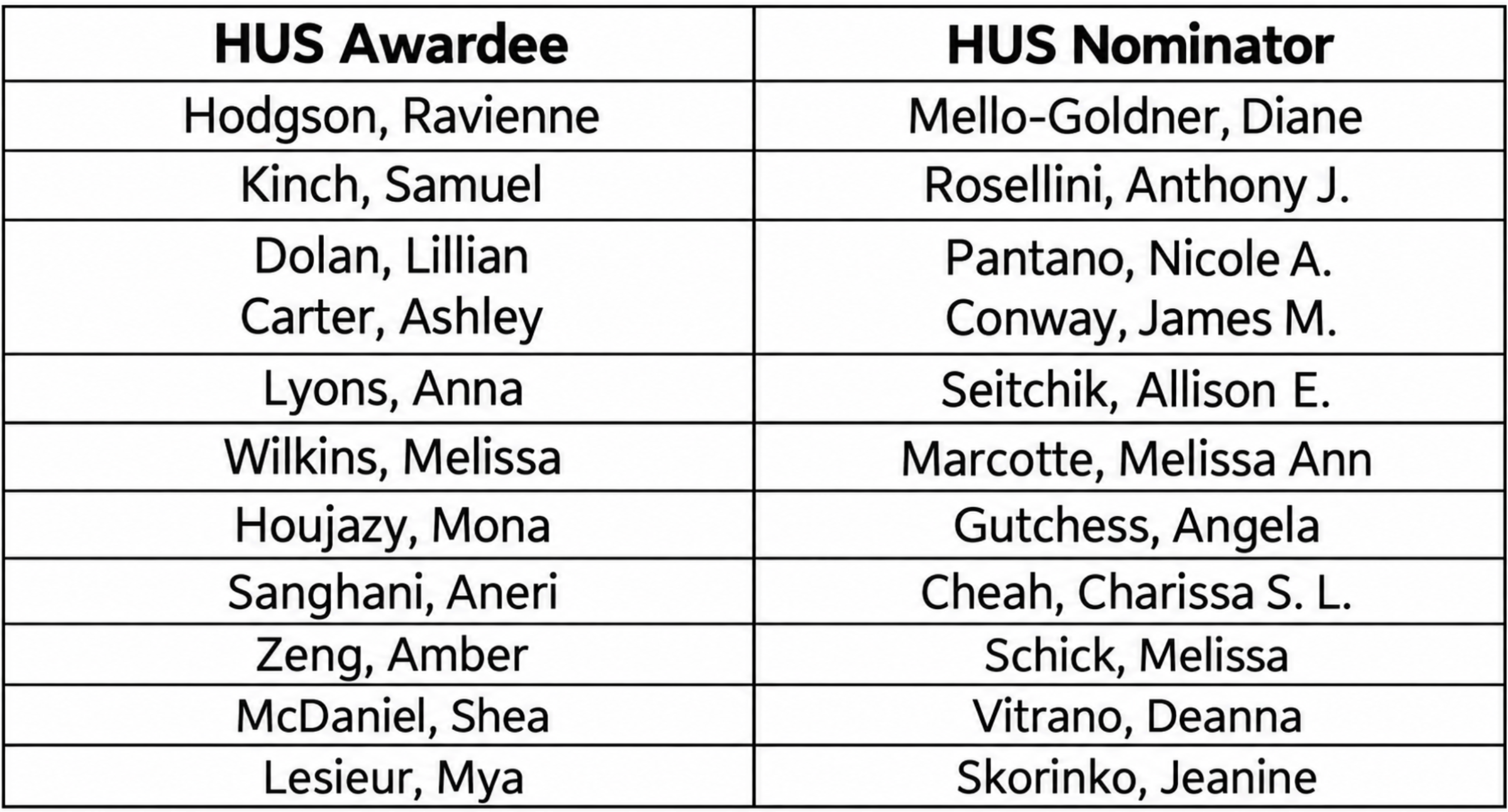
(78) Honorary Undergraduate Scholar Awards
Bertolon School of Business Room 111
Sukanya Ray, Ph.D., Convenor
Suffolk University
Honorary Undergraduate Scholar (HUS) is a designation we give to outstanding undergraduates who meet high standards of performance in course grades, research productivity, and various extracurricular and service activities. All of these students have achieved a very high GPA, have done research and have, in addition, done service work in the community, attended psychological conferences, done creative writing, and have as volunteers contributed to their undergraduate schools in many ways, in admissions, tutoring, and even fund raising. In addition to all of this, these students have all demonstrated a clear and serious interest in psychology. They are headed to filling the ranks of our next generation of teachers, researchers, theoreticians, clinicians, and administrators in the field of psychology. Please come celebrate this accomplishment with them. Then stay and hear the research they have done.
Bertolon School of Business 113
Paper Session
Salem-Themed Papers
Diane Mello-Goldner, Ph.D.
(Boston University)
11:20 AM – 11:35 AM
(79) Paper 1: Reactions to Wiccan and Catholic Artifacts: Differences based on Religion and Religious Security
Raegan Thompson, M.A. (New College of Florida) & Steven Graham, Ph.D. (New College of Florida)
Religiosity can manifest in many ways, some of which are characterized as more secure and less susceptible to threat. Others are characterized as more fragile and easily threatened. This research examines how people respond to religious artifacts that come from their own or another faith tradition. Additionally, it explores connections between religious security and more basic features of personality including agreeableness, openness to experience, and narcissism. Participants (N = 252) were recruited online and were first presented with a picture of a supposed religious artifact (i.e., a satchel). The picture of the artifact was identical across conditions but presented with a story describing it as having been used by a Wiccan priestess or a Catholic monk. Participants reported: (1) their reactions to the artifact, (2) their personality characteristics, and (3) aspects of their religiosity, including the particulars of their faith and their religious security. Results indicated interesting and predicted patterns. There was a significant 2 (Participant Religion: Catholic/Wiccan) x 2 (Artifact Origin Story: Catholic/Wiccan) interaction such that Catholic participants reacted negatively to the artifact when they believed it was Wiccan in origin, and positively when they believed it was Catholic in origin. Wiccan participants reacted more positively to the artifact overall, but particularly when it was Wiccan in origin. A similar pattern emerged with religious security; Participants who were more secure in their religiosity were positive toward the artifact regardless of its origins. Theoretical and clinical implications are discussed.
11:35 AM – 11:50 AM
(80) Paper 2: From Familiars to Felines: The Enduring Psychological Legacy of Witchcraft Superstitions and Contemporary Black Cat Bias
Jolie Bell, Ph.D. (Immaculata University)
Black cats have long been associated with witchcraft, evil, and bad luck throughout Western history. Although explicit belief in witchcraft has declined, contemporary research suggests that historical narratives continue to influence attitudes toward black cats and may contribute to measurable differences in animal adoption outcomes. This theoretical paper synthesizes historical scholarship with contemporary psychological and animal welfare research to examine how centuries-old beliefs surrounding witchcraft persist through cultural transmission and implicit cognition. A narrative review of peer-reviewed literature was conducted using historical scholarship on witchcraft, empirical studies of black cat adoption outcomes, and psychological research on superstition, implicit attitudes, and cultural myths. Historical evidence demonstrates that black cats became associated with witches through beliefs surrounding animal familiars in medieval Europe and colonial New England (Karlsen, 1987; White, 2026). Contemporary studies report weak but statistically significant evidence of Black Cat Bias in animal shelters (Carini et al., 2020) and demonstrate that belief in witchcraft and implicit attitudes predict negative evaluations of black cats (Elvers et al., 2024). The findings suggest that cultural narratives established centuries ago continue to influence modern perceptions through implicit cognitive processes rather than explicit supernatural belief. Implications for social cognition, collective memory, and evidencebased interventions designed to reduce bias in animal adoption are discussed.
11:50 AM – 12:05 PM
81) Paper 3: Voices from the Margins: Lived Experiences of Women in Ghana’s Witch Camps
Nyuiemedi Agordzo Edoh-Torgah & Alfred Alunga Anovunga (University of Education, Winneba, Ghana)
Belief in witchcraft continues to shape interpretations of misfortune, illness, and death in many African societies, contributing to the marginalization of vulnerable women. This study explored the lived experiences of 20 women and five key informants residing in the Gambaga and Kukuo witch camps in northern Ghana, focusing on pathways to accusation, experiences of stigma and trauma, and processes of resilience. Guided by Trauma Theory and the Intersectionality Framework, the study employed a qualitative phenomenological and narrative inquiry design. Data were collected through in-depth interviews, life-history narratives, and field observations and analyzed thematically. Findings revealed that accusations were commonly linked to unexplained deaths, illness, poverty, inheritance disputes, and social exclusion. Participants reported stigma, family rejection, displacement, and cumulative trauma, yet demonstrated resilience through spirituality, peer support, and communal solidarity. The study highlights the intersection of gender, culture, and structural inequalities in sustaining witchcraft accusations.
12:05 PM – 12:20 PM
(82) Paper 4: Fear, Folk Figures, and Facebook: Discourse Analysis of the ‘New England Serial Killer’ Group
Kyle Gamache & Ashley Allen (Roger Williams University)
In Spring of 2025, a string of unconnected deaths drew rabid local attention resulting in a public panic that a serial killer was preying on New England. The online discourse within the New England Serial Killer (NESK) Facebook group provides a vivid case study of how online communities collectively construct meaning in the absence of official confirmation. Through posts, comments, and anecdotal storytelling, members co-created an interpretive framework that sustains belief in the existence of a serial offender, despite the lack of corroborating evidence from law enforcement or the media. The researchers analyzed 531 unique posts in the Facebook group and conducted discourse analysis on the data. Four prominent themes emerged from the discourse analysis: (1) the construction of the serial killer as a folk figure, (2) the communal validation of speculation as evidence, (3) the expression of mistrust toward institutional authority, and (4) the generation of moral panic through personal narratives of vulnerability. Taken together, these themes illustrate how fear, mistrust, and collective storytelling converge to transform uncertainty into shared truth.
Poster Session III
Bertolon School of Business Dining Commons
(83) Poster 1: Negative Emotions Decrease EEG Hemispheric Coherence in the Brain
Tadashi Kato, Ph.D., Jordan Brown, B.S., & Mahmood Hossain, Ph.D. (Fairmont State University)
(84) Poster 2: Psychopathy and Gun Violence in Youth: Comparing Trait-Based and Environmentally Based Models in Justice-Involved and School-Based Sample
Lauren B. Lindman1,2 & John-Paul Martindale1 (1 The University of Edinburgh) & (2William James College)
(85) Poster 3: Beliefs, Belonging, and Brilliance: A Mixed-Methods Explorative Study of Motivation and Gendered Perceptions in STEM Versus Care Careers
Cate Schultz, Abigail Fletcher, Yaxi Fan, & Claire Wu (Boston College)
(86) Poster 4: Implications of Word Reading Ability for Executive Function Assessment in Children with and Specific Learning Disorder in Reading
Shaylee Moreno, Teresa Girard, Mia O’Neill, Kriti Williams, Hallel Abrams Gerber, Jennifer Frechette, & Leah Murphy (Integrated Center for Child Development
(87) Poster 5: Doomscrolling Your Brain Away: Short Form Video Platforms and Their Relationship with Cognitive Failures
Matthew Leon Abanto & Dr. Ashlee Moore (SUNY Oswego)
(88) Poster 6: The (Less Than Great) State of Quantitative Training in Psychology
Jacob J. Coutts (UMD), Brynn Saffer (UMD), & Jules Nefflen (UMD)
(89) Poster 7: Examining Undergraduates’ On-Boarding Experiences in a Research Program
Derek R. Archuleta & Gabriel LeBlanc (The University of Tulsa)
(90) Poster 8: Adapting a Positive Psychological Physical Activity Intervention for Adults Using Anti-Obesity Medications: The GOALS-M Proof-of-Concept Trial
M. Bidgood1, T. Steinman1, R. Kaplan1, J. Huffman1,2, & E. Feig1,2 (1 Department of Psychiatry, Massachusetts General Hospital) & (2 Harvard Medical School)
(91) Poster 9: Consumption of Media: The Relationship between Food Addiction and Media Trends
Aurora Ferreira (Stonehill College), Rebecca Antonio (Stonehill College), & Dr. Erin O’Hea (Stonehill College)
(92) Poster 10: Inequalities in Standardized Testing: The Impact of Student Disparities on Multilanguage Learner Teachers
Ivy T. Schillinger, Traci L. Weinstein, Jacob Scott, & Taylor Stande
(93) Poster 11: Cross-sectional Associations Between PTSD Symptoms and Social-Emotional Expertise in Young Adults: Exploring the Indirect Effect of Executive Functioning
Jack Dandaraw (Endicott College), Bridget Nestor (Boston Childrens Hospital, Marcus Wild (VISN 17 Center of Excellence for Research on Returning War Veterans)
(94) Poster 12: Modifiable Factors Associated with the Impact of Pelvic Pain
Chloe LaPat¹, Susanna Sutherland ²³, Bridget Nestor¹⁴⁵ : (¹ Endicott College), ( ² Vanderbilt University)
(95) Poster 13: The Role of Attention Problems in Middle School Mathematics Performance and Learning: Evidence for Grade-Level Moderation
Shera Ketabforoush¹,Renée M. Tobin², & Julie L. Booth¹ (¹ Department of Psychology and Neuroscience, Temple University), (² Department of Psychological Studies in Education, College of Education and Human Development, Temple University)
(96) Poster 14: Screen Time, Problematic Smartphone Use, and Positive Well-being
Paul C. LoCasto, Penny A. Leisring, & Jessica Mackown (Quinnipiac University) M. Bidgood1, T. Steinman1, R. Kaplan1, J. Huffman1,2, & E. Feig1,2 (1 Department of Psychiatry, Massachusetts General Hospital) & (2 Harvard Medical School)
(97) Poster 15: Food Addiction & It’s Relationship with Internalized Weight Bias, GAD, and Alcohol Consumption
Sophia Gioisa & Isabella Kessimian
(98) Poster 16: The Effects of Lo-Fi Music, Background Noise, and Silence on Task Engagement
Michael Cornacchia (New York Institute of Technology) & Dr. Nicole Calma-Roddin (New York Institute of Technology)
(99) Poster 17: Does Metacognitive Information-Seeking Extend to the Auditory Domain in Rhesus Macaques Macaca mulatta)?
Blue Praxis, Brooke N. Jackson, Pankhuri Singhal, & Robert R. Hampton (Emory University)
(100) Poster 18: Personality & Burnout Among Law Enforcement: A Correlational Study
Sydney Booth, Grace White, & Dr. Karol Maybury (University of Maine at Farmington)
(101) Poster 19: Belief or Delusion? Distinguishing Paranormal Experiences from Psychopathology
Samantha Sikes M.S. (Nova Southeastern University)
(102) Poster 20: Emotions, Cognitive Control, and Adolescent Risk-Taking: Examining the Moderating Role of the Frontoparietal Cognitive Control Network
Sacha Do McCracken (McGill University, University of Massachusetts Amherst), Kirby Deater-Deckard, Keman Li, Ziqian Gong, Tayah Simpson (University of Massachusetts Amherst)
(103) Poster 21: Behavioral Persistence in Academic Tasks
Connor M. Harris & Karen M. Lionello-DeNolf (Assumption University)
(104) Poster 22: The Cost of Inequality: How Economic Conditions Shape Sexist Attitudes
Emma Clarke (University of Pennsylvania School of Social Policy and Practice) & Amy Hillier, PhD, MSW (University of Pennsylvania School of Social Policy and Practice)
(105) Poster 23: Exploding Head Syndrome: Cultural Factors, Paranormal Beliefs, and Interpretations of Experiences
Kathleen Torsney, Ph.D., (William Paterson University) & Jerome Szmagalski (Ramapo College)
(106) Poster 24: Satan is Real (And I’ve Met Him): Exploring Self-Reported Paranormal Beliefs and Experiences
Renee Augustine & Andrew G. Christy (SUNY Plattsburgh)
(107) Poster 25: Death Becomes You: Emotions, Afterlife, and What We Leave Behind
Delaney Ryan (Rhode Island College), Anthony Ramos (Rhode Island College), Emily Achin (Rhode Island College), Katherine Lacasse PhD. (Rhode Island College), Vincent A. Medina PhD. (Louisiana State University)
(108) Poster 26: A Proposal to Study the Processing and Recall of the Strange and Unusual: How Emotional Counterintuitive Elements Haunt Memory and Transmissibility of Folk Stories
Julia M. St. George (Boston College), Isabelle L. Moore (Boston College), & Elizabeth A. Kensinger (Boston College)
(109) Poster 27: Coloring Horror Images and State Anxiety
Steven J. Kirsh (SUNY Geneseo), Jack Aufderheide (SUNY Geneseo), Talbot Baldwin (SUNY Geneseo), Peyton Cartwright (SUNY Geneseo), & Christine Gelose (SUNY Geneseo)
(110) Poster 28: Ex-Humanizing the Serial Killer: A Qualitative Look into The Online True Crime Community’s Social Norms and Discourse
Emma Dhanda (Wesleyan University)
(111) Poster 29: Witch as a Gendered Epithet: A Feminist Analysis of Cultural Stigma and Misogynistic Associations
Allyson Lavoie (Antioch University New England)
(112) Poster 30: Religious Delusion, Psychosis, and Filicide: Contemporary Forensic and Clinical Implications
Dr. Meg Pilling (Antioch University New England)
(113) Poster 31: To Imposter, or Not to Imposter
Sa’diah X. Burke, B.A. (Rider University) & Gary M. Brosvic, Ph.D. (Rider University)
This concludes programming for 11:20 AM – 12:30 AM session. The 12:40 PM – 1:40 PM session begins in the next section.
Session IV: 12:40 PM-1:40 PM
Bertolon School of Business Recital Hall
NEPA Presidential Address
(114) Perfectionism In Context: Broadening the Narratives
Welcoming Comments
Dean Brian Vanden Heuvel
Salem State University School of Arts and Sciences
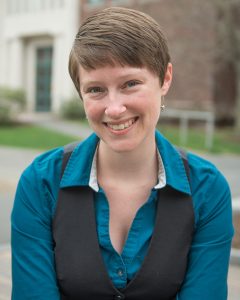
Alexandra Burgess, Ph.D., Speaker
Worcester State University
New England Psychological Association, President
Matthew Brubaker, Ph.D.
Springfield College
New England Psychological Association Past President Introduction
Since its formal conceptualization in 1990, prominent researchers have defined perfectionism as stemming primarily from individual personality differences and early parenting experiences. This perspective produced decades of fruitful research defining perfectionism’s multiple factors (e.g., striving for achievement, fear of critical judgement from others, self-critical evaluation for mistakes) and mental health sequelae (e.g., anxiety, depression, eating disorders, suicide), predominantly within majority populations. Recent research retrospectives have called for increased attention to the ways in which holding a marginalized identity status may influence the development and phenomenology of perfectionism (Smith et al., 2022). The APA (2021) further identified this blind spot in the field at large, calling for increased representation of racial diversity in research topics, samples, and researchers. This talk will explore the value of broadening our framework to include the potential impacts of racial/ethnic identity status on the lived experience of perfectionism. A scoping review (PRISMA-ScR) will be presented illustrating the field’s to-date consideration of race/ethnicity in relation to empirical article topics, sample demographics, researcher demographics, and journal outlets. The lecture will include recent empirical findings and relevant theories about the impact of living in a racialized context on dimensions of perfectionism, ultimately raising more questions than answers.
Symposium
Marsh Hall 210
(115) Driving While Black or Brown: Methodological Approaches and Challenges to assessing racial bias in traffic stops
Jay Anaya, MSW student (Moderator); Sophia Evett, Ph.D., Anne-Marie Hakstian, J.D., Ph.D., Marcos Luna, Ph.D., and Peter DiDomenica, J.D., Ph.D. (Panelists)
Substantial research and court testimony indicate that Black and Brown drivers are disproportionately subjected to traffic stops and subsequent searches compared to White drivers. Yet efforts to quantify and document such inequities have faced considerable scrutiny and challenges from the press, law enforcement agencies, attorneys, judges, and other stakeholders. A variety of approaches have been implemented from state to state, but there is currently no gold standard by which to validate claims of bias. This interdisciplinary panel will discuss current approaches, as well as efforts to improve and validate methods for measuring driving populations and racial disparities. We will also address the challenges and successes associated with providing this evidence in court cases and with police departments in Massachusetts and across the United States.
Featured Event
Bertolon School of Business Room 111
(78) Honorary Undergraduate Scholar Awards
Symposium
Bertolon School of Business Room 112
(116) Posttraumatic Growth in Military and Public Safety Personnel: Foundations and Clinical Applications
Bret A. Moore, Psy.D., ABPP (Boulder Crest Institute), Richard Tedeschi, Ph.D. (Boulder Crest Institute), & Edward C. Keane, Ph.D. (Danbury Police Department)
This symposium introduces the concept of posttraumatic growth (PTG), the positive psychological transformation that can occur through the struggle with highly challenging and traumatic experiences. Although trauma exposure is common among military personnel, veterans, law enforcement officers, firefighters, EMS professionals, and other public safety personnel, the clinical focus has traditionally emphasized pathology, symptom reduction, and impairment. In contrast, PTG offers a complementary framework that recognizes the potential for meaning making, strengthened relationships, personal resilience, spiritual or existential development, and renewed purpose following adversity. The session will provide participants with a foundational understanding of PTG theory, research, and application, with particular emphasis on military and public safety cultures. Attendees will explore the conceptual and theoretical development of PTG over the past two decades, including the cognitive, existential, and narrative processes believed to underlie growth after trauma. Research findings involving combat veterans, first responders, and other trauma exposed populations will be reviewed to help participants better understand how growth may emerge alongside ongoing distress and operational challenges. A major focus of the symposium will be the practical application of PTG principles in peer support, leadership, and organizational settings. Participants will be introduced to an integrative intervention framework known as Expert Companionship, an approach that emphasizes collaborative meaning making, psychological resilience, and personal transformation rather than symptom reduction alone. The symposium will also examine the limitations of traditional trauma interventions that focus exclusively on pathology and PTSD symptom management. While evidence-based trauma treatments remain critically important, many military and first responder populations report a desire for approaches that also acknowledge identity, growth, service, sacrifice, and long-term personal development. PTG informed approaches may help bridge this gap and provide a more balanced and holistic framework for recovery and adaptation. This session is intended for psychologists and other mental health professionals, peer support specialists, organizational leaders, and graduate students working with military personnel, veterans, law enforcement officers, firefighters, EMS personnel, corrections professionals, and other public safety populations. The symposium will be particularly valuable for professionals seeking to integrate strengths based and growth-oriented approaches into trauma informed care.
Symposium
Bertolon School of Business Room 113
(117) Emerging Adulthood and College: An Examination of the Health and Wellbeing of Young Adult Student
Molly Cao1, Nicole Cannan1, Angelina R. Davis1, Stephanie V. Madden2, Jiabin Shen1, & Samantha A. Miadich1 (1University of Massachusetts Lowell; Department of Psychology, 2Nemours Children’s Health; Center for Healthcare Delivery Science)Bret A. Moore, Psy.D., ABPP (Boulder Crest Institute), Richard Tedeschi, Ph.D. (Boulder Crest Institute), & Edward C. Keane, Ph.D. (Danbury Police Department)
Emerging adulthood presents unique changes and challenges, as this is a period of critical professional and personal development. An important change that many young adults face is starting college. Young adults in college must balance academic commitments and opportunities for friendships and connections in addition to handling greater independence and autonomy. Health behaviors and mental wellbeing are domains that can become quite challenging for young adults to manage, especially during their time in college and transition into independence. Considering this, any additional stressors may further exacerbate negative health outcomes. This symposium integrates four empirical studies that each examine different stressors (i.e., adverse childhood experiences (ACEs), anxiety, sport-related injury, food security, and COVID-19 stress) and their impact on health outcomes using a large data set, called the UML Pulse Study, which includes undergraduate college students at a public institution in Massachusetts. Presenters will provide a brief overview on the background of the study, including procedures and methodology, followed by four studies that examine factors that impact well-being. Project 1 examines the moderation of emotion regulation and resilience in the association between ACEs and risk-taking behavior. Project 2 examines the associations between childhood food security, anxiety, and risk-taking. Project 3 examines the mediating role of food security on the associations between sport-related injury and sleep. Project 4 examines the associations between COVID-related stress and daily sleep outcomes. Collectively, the results of this symposium highlight how specific stressors influence college student health and wellbeing and how promotive factors may buffer the negative effects of such stressors on health outcomes. The goal of this symposium is to engage in dialogue about stress-related factors that may affect the health and wellbeing of young adult college students and provide directions for future research to further support this population as they prepare to transition into adulthood, with a particular emphasis on what college campuses can do.
Poster Session IV
Bertolon School of Business Dining Commons
(118) Poster 1: Attractiveness, Mate Value, and Negotiation
Adalee Williams, Amy Blundell, Devyn Matheson, Hagen Moran, Mark Vorster, Marshall Smith, Peter Lane, Tori Shockley, Gracie Smith, & Dr. Jeffrey Niehaus
(119) Poster 2: Effects of Perceived Cognitive Disengagement Syndrome Symptoms on Inhibition Speed
Hallel Abrams Gerber, Kriti Williams, Mia O’Neill, Shaylee Moreno, Teresa Girard, Leah Murphy, & Jennifer Frechette (Brown University)
(120) Poster 3: Social Influence on Decision Making with Real Rewards
Nicolina Echevarria, Ami Shah, & Michael Bixter (Montclair State University)
(121) Poster 4: This is Why I Left: Sexual Violence Fuels Migrants’ Decision to Move to the United States
Andja Kola & Sarah Rose Eagan Ph.D.
(122) Poster 5: The Effects of Meta-Awareness and AvPD Traits on Fear of Negative Evaluation and Need Satisfaction
Inessa Zaslavsky & Jannay Morrow (Vassar College)
(123) Poster 6: Stigma Resistance’s Protective Relationships with Loneliness, Quality of Life, and Symptoms Among Those with Mental Health Conditions
Rachael Walsh, Aaron Pachucki, Jillian Wivell, & Ruth Firmin (Gordon College)
(124) Poster 7: Relationships Between Hope, Stigma Attitudes, and Willingness to Seek Help Among Those with Mental Health Conditions
Jillian Wivell, Aaron Pachucki, Rachael Walsh, & Ruth Firmin (Gordon College)
(125) Poster 8: When Values Collide: Examining Difference in Ethical Prioritization
Steven E. Stemler, Alexander Ji, & Genevieve Baske (Wesleyan University)
(126) Poster 9: Sleep’s Role in Disruptive Behavior in Preschoolers
Will Cotter, Lindsey Mooney, & Rebecca Spencer
(127) Poster 10: Pulling Yourself up by the Bootstraps? Comparing Analyses in Nonrepresentative Samples
Brynn Saffer & Jacob Coutts
(128) Poster 11: Investigating the Role of Motivation on P300
Avi Miller & Meltem Karaca (Assumption University)
(129) Poster 12: Bridging the Knowledge Gap: A Mixed-Methods Needs Assessment to Inform Inclusive Sexual Health Education in Post-Secondary Disability Programs
Grace Roopcharan, Dr. Teresa King, & Dr. Laura Ramsey
(130) Poster 13: A Mixed Methods Study on Political Polarization and Close Relationships
Itzel Aleman Flores, Cadence Dorrian, Marlee Foster, Maayan Rosenberg, & Randi L. Garcia (Smith College)
(131) Poster 14: Level of Anticipatory Fear Toward Women with Perinatal OCD Among a Sample of Perinatal Health Professionals: Preliminary Findings in a Vignette-Based Study
Katie Muschalik (Fordham University)
(132) Poster 15: Unseen Burdens: The Impacts of Intergenerational Trauma on First-and-Second Generation Immigrants Life Satisfaction
Hiba Farhan & Dr. Sarah Eagan (Worcester State University)
(133) Poster 16: Perceptions of Gender and Emotional Expression in the Workplace
Layla Valenzuela (Rogers Williams University), Grace Richotte (Roger Williams University), Anthony Quinones (Roger Williams University), & Kelly Brooks (Roger Williams University)
(134) Poster 17: True Crime and Its Relationship with Paranoia
Elia Han (Concord Carlisle High School), Helen Hyry-Weintraub (Arlington High School), Aaratrika Sing (Arlington High School), Preeti Bachu (Clark University), Khaled Elazab, MA (Clark University), & Ana K Marcelo, Ph.D. (Clark University)
(135) Poster 18: Consequences of Academic Pressure on Young Adults of Asian Descent
Elia Han (Concord Carlisle High School), Jaden Kwok (Concord Academy), Morgan Xu (Milton High School), Preeti Bachu (Clark University), Khaled Elazab, MA (Clark University), & Ana K. Marcelo, Ph.D. (Clark University )
(136) Poster 19: Humor Styles Across Cultures: Examining Communication and Understanding
Addison Louis (Bishop Guertin High School), Isabella Messinese (Sprinfield High School), Mishaal Fatima Mufti (Dulwich College Seoul), Preeti Bachu (Clark University), Khaled Elazab, MA (Clark University), & Ana K. Marcelo, Ph.D. (Clark University)
(137) Poster 20: Optimism and Superheroes: How Fiction May Relate to an Individual’s Outlook on Life
Abbigail Getter (Beacon High School), Erin Kelly (Worcester Technical High School), Jaden Kwok (Concord Academy), Morgan Xu (Milton High School), Preeti Bachu (Clark University), Khaled Elazab, MA (Clark University), & Ana K. Marcelo, Ph.D. (Clark University )
(138) Poster 21: Does Machiavellianism Really Have Positives?
Colby Lee
(139) Poster 22: The Roles of Childhood Abuse and Parental Emotion Socialization on Psychological Distress in College Women
Patricia J. Long, Ph.D. (University of New England) & Benjamin Katz, Ph.D. (University of WisconsinMilwaukee)
(140) Poster 23:Assessment of Listening and Trust in Dyadic Relationships
Destiny Henderson (Rhode Island College)
(141) Poster 24: Child or minor? Examining Mock Juror Perceptions of Victim Age in Domestic Minor Sex Trafficking
Nesa E. Wasarhaley, Jamie A. Roth, & Grace E. Roopcharan (Bridgewater State University)
(142) Poster 25: Supporting Student Mental Health: A Qualitative Study of Faculty Perspectives in Response to Student Mental Health Challenges
Bella Simoes (Assumption University), Jennifer Dealy (Assumption University), & Angelina Mojomick (Assumption University)
(143) Poster 26: Perceptions of Current Events
Katie O’Brien & Dr. Kelly Brooks (Roger Williams University)
(144) Poster 27: Undergraduate Students’ Perceptions of Morality on Social Media
Dr. Kelly Brooks (Roger Williams University) & Laurel Lees (Roger Williams University)
(145) Poster 28: Museum Fatigue in Boston and London Natural History Museums, Measured through Visitor Comments and Professionals’ Testimony
Aiden Muise (Salem State University) & Dr. Lisa Delissio (Salem State University)
This concludes programming for 11:20 AM – 12:30 AM session. The 12:40 PM – 1:40 PM session begins in the next section.
Session V: 12:40 PM-1:40 PM
Bertolon School of Business Recital Hall
Keynote Address
(146) Do Social Media Platforms Make People Happy?

Cass R. Sunstein, J.D.
Robert Walmsley University Professor
Director of the Program on Behavioral Economics and Public Policy at Harvard Law School
Harvard University
Diane Mello-Golder, Ph.D.
(Boston University) Introduction
People buy some goods that they do not enjoy and wish did not exist: cigarettes, alcohol, expensive clothing, tattoos, access to social media platforms. People might even be willing to pay a great deal for such goods, whether the currency involves time, commitment, or money. One reason involves signaling to others; so long as the good exists, nonconsumption might give an unwanted signal to friends or colleagues. Collective action, private or public, is necessary to reduce use of people consume but wish did not exist. Nudges, designed to discourage use of those goods, might be justified in this way. Restrictions on use of social media, especially by young people, might be similarly justified.
Symposium
Marsh Hall 210
(147) Journaling for Self Care: How to Avoid Burn Out in the Face of Constant Challenges
David Selden, LICSW
(Salem State University)
I get asked a lot by students, interns and new staff how to avoid burn-out. I am still chugging along after 50 years in the field. A bunch of years ago, about ten years into my career, I ran into some personal difficulties. In seeking a way to address this, I found The New Diary by Tristine Rainer. I figured it must be useful because the preface was written by Anais Nin, one of the most famous diarists of the twentieth century. Journaling and now other forms of writing have been very beneficial to my self care. Although this was not the intention, I have a book scheduled for release in the next month or two and two more in the works. The New Diary provides a variety of formats and exercises to promote writing. My intention for the workshop is to introduce the audience to some of these tools, facilitate some practice, and for those comfortable, share the results.
Symposium
Bertolon School of Business 111
(149) Leading Across Campus: Different Leadership Roles with a Shared Purpose
Colleen J. Sullivan, Ph.D., Amy Cota-McKinley, Ph.D., & Nicole Rosa, Ph.D.
(Worcester State University)
Beginning a teaching career in higher education often develops from the joy of teaching, mentoring students, and freedom to conduct research. As Psychology professors who all began in the same academic role, we have a range of experience at our current institution from 12 to 24 years. With time comes opportunities to expand our expertise to leadership roles at the university. Our love for teaching and mentoring students has not changed but our ability to reach more students has increased with our leadership roles. The institutional responsibilities shift, but our commitment to student success remains the same. This symposium will explore how student success remains the central focus across different leadership roles, and how the impact is seen in and out of the classroom. Two central themes that overlap these leadership roles for student success are belonging and community within unique pockets of the university. Our leadership roles have allowed us to influence and meet students at different points in their college experience. Collectively, our experiences display collaboration across our campus that has strengthened opportunities for student belonging, engagement, and success. We will provide effective strategies and productive techniques that can help other faculty members in similar leadership roles as well as those who are interested in making a move into these administrative roles in the future.
Symposium
Bertolon School of Business 112
(148) Four Perspectives on the Psychology of AI Use
Marley Ireland, Evelyn L. Lindenburg, John D. Mayer, Ryan Moran, Nick Smith, J.D., Ph.D.
(University of New Hampshire)
The symposium begins with a discussion of the technosocial context of contemporary AI and, next, examines the psychological and philosophical issues around its use. Three talks describe theoretical issues: The first talk, on the aforementioned technosocial context of AI, which examines human evolution related to individual differences and the communication of such differences over a distance (e.g., via gossip), over increasing numbers of recipients, and over increasingly virtual media (e.g., online meetings, AI representations), that provided the context within which present AI use grew. The second theoretical topic concerns the appearance of character archetypes in LLMs and how research can explore how LLMs both reflect and modulate human personality. These two talks are followed by an empirical report (N = 324) of the use of AI as companions and how such use relates to the Big Five traits and personal intelligence (the capacity to understand personality in oneself and other people). The final presentation returns to the philosophical issues around AI-mediated relationships: Is it okay to use AI when issuing an apology.
Paper Session
Clinical/Counseling
Bertolon School of Business 113
Sarah Nosek, Ph.D. (Saint Michael’s College), Chair
1:50 AM – 2:05 AM
(150) Paper 1: Following Conspiracy Theories: How the Tendency to Believe in Conspiracy Theories Relates to Mindset and Mental Health
Peter Frost, Ph.D., Zuzanna Blaszczak, Amanda Saldana, Roisin McDonagh, Jonathan Caesar, Huyu Castle, Ali Brown, Catherine Green (Southern New Hampshire University), & Mark Hassler (The Chicago School, Dallas Campus)
We hypothesized that a tendency to believe in conspiracy theories might be associated with particular kinds of worldviews, called mindsets. In Study 1 we examined whether certain mindsets might be correlated with the tendency to believe in conspiracy theories. The results of Study 1 showed that a tendency to believe in conspiracy theories was correlated with external locus of control and belief that life is a zero-sum game. These beliefs also positively related to certain mental health outcomes. Anxiety and depression both correlated positively with the tendency to believe in conspiracy theory as well as the mindsets of external locus of control and zero-sum game. Study 2 ruled out the possibility that exposure to a conspiracy theory primed an external locus of control or zero-sum game mindset. These findings support the possibility that conspiracism attracts people of a particular mindset.
2:05 PM – 2:20 PM
(151) Paper 2: In the Name of the Father: Disclosure and Clergy Perpetrated Sexual Abuse
Alexandra L. Frederick, Psy.D. & Karen Meteyer, Ph.D.
The current study offers a case study utilizing records from assessments conducted for civil suits by men who survived clergy perpetrated sexual abuse (CPSA) in their childhoods. The focus of this study is to contribute to our understanding of the disclosure process following the abuse. A qualitative analysis was conducted to highlight common themes, including experiences of disclosure, emotional experiences, the decision-making process, and potential feelings of regret toward disclosure. Research questions examined the time and age of disclosure, how close the survivor was to the priest at the time of the abuse and any trends that exist between that and the disclosure, the reasons for delaying disclosure, who survivors disclosed to and their journey of disclosure over their lives, and positive and negative outcomes associated with disclosing the abuse. Results from this study reflected significant delays in disclosure with these individuals due to fear of not being believed, shame, embarrassment, and loss of trust in others. This study provides insight into why individuals often delay disclosure of abuse until later in life, as well as providing knowledge for clinicians working with survivors of CPSA (Easton et al., 2014). This information is particularly relevant when individuals choose to file a civil suit against the church for damages, and the trajectory of disclosure is put under a microscope. By providing more information on the typical process of disclosure, we can further understand why people do not always speak of the abuse immediately after it occurred.
2:20 PM – 2:35 PM
(152) Paper 3: Does the Gender or Race/Ethnicity Match between a Child and Their Therapist Predict Posttreatment Outcomes?
Richard Rizzo (Eastern Connecticut State University) & Phyllis Lee (Eastern Connecticut State University)
A common preference among families enrolling their child in psychotherapy is finding a therapist that matches their child’s gender and race/ethnicity (Wintersteen et al., 2005). People often tend to identify with others that are more like themselves which has led to a belief that the more similar their child is to their therapist the better their posttreatment outcome will be (Wintersteen et al., 2005). Although some past research supports a racial/ethnicity match leading to better posttreatment outcomes (Hall et al 2002), others have only been able replicate these findings in older children (Yeh et al., 1994), making it more difficult to come to a conclusion on this topic. Similarly, there has been a lack of research and support on a gender-match (Pfeiffer et al., 2020). The limited research and age of the articles that have been published on this topic, may not provide families seeking psychotherapy with the best, and most up to date information on which therapist would benefit their child the most, or if it matters at all. Based on past findings, it was hypothesized that gender-matched dyads will not report better posttreatment outcomes. On the other hand, it was hypothesized that the racial/ethnicity matched dyads will report better posttreatment outcomes. The current study was a secondary analysis from a statewide dissemination of the Modular Approach to Therapy for Children with Anxiety, Depression, Traumatic Stress, or Conduct Problems (MATCH; Chorpita & Weisz, 2009). There were 160 clinicians (91% master’s level; 90.60% female; 55.60% White/non-Hispanic, 17.50% Hispanic, 6.90%, Black/non-Hispanic) who provided MATCH to 1069 youth ages 3-17 (52.60% female, 52.80% White/non-Hispanic, 34.10% Hispanic, 9.20% Black/non-Hispanic). Clinicians and families reported on demographics and youth problem severity using the Ohio Scales (Ogles et al., 1999) at intake and near the end of treatment. We conducted multiple regression analysis to assess whether youth-therapist demographic match predicted change in problem severity, controlling for child age and days in treatment; type of match (gender or racial/ethnic) were modeled separately. We examined whether the gender and racial/ethnic match predicted both child and caregiver reports of change in the youth’s problem severity from intake to posttreatment. The gender-match between children and therapists did not predict caregiver-rated child outcomes (4=.06, p=.071) but significantly predicted child-rated outcomes (4=-.11, p=.009). When children and therapists matched on gender, children reported greater reductions in their problem severity from intake to the end of treatment. Also, contrary to expectation, the racial/ethnic match between children and therapists did not significantly predict caregiver-rated (4=- .03, p=.427) or child-rated problem severity change (4=.06, p=.235).
2:35 PM – 2:50 PM
(153) Paper 4: Does Language Choice Matter in Psychotherapy? An International Study of Emotional Expressivity in Immigrant and Non-Immigrant Multilingual Adults
Tamara Vyncke-Timmermans, MA (New Mexico Highlands University), Dr. David Pan (New Mexico Highlands University), & Dr. Daniel Chadborn (New Mexico Highlands University)
Language is more than a means of communication; it shapes identity, emotional experience, and the therapeutic relationship. Previous research has demonstrated that multilingual individuals often process emotions differently depending on the language they use, suggesting that psychotherapy conducted in a non-native language may limit emotional expression (Caldwell-Harris, 2012; Kokaliari et al., 2013). The long-term goal of the present study is to advocate for greater access to native-language psychotherapy and culturally responsive bilingual mental health care. An international sample of multilingual adults completed measures of language proficiency, language experience, and emotional expressivity. Participants were randomly assigned to complete the Berkeley Expressivity Questionnaire (BEQ; Gross & John, 1995) in either their native language or an additional language. The primary analyses examined whether language choice influenced emotional expressivity and whether foreign-language proficiency predicted emotional expression. Primary analyses examined the effects of language choice and foreign-language proficiency on emotional expressivity. Given the international composition of the sample, exploratory analyses subsequently examined demographic variables that may shape emotional expression across languages (n = 218). These analyses revealed a significant interaction between sex and immigration status among participants completing the BEQ in a non-native language: immigrant women reported greater emotional expressivity than non-immigrant women, whereas the opposite pattern emerged among men. These findings suggest that language choice alone may not fully explain emotional expression in multilingual individuals. Rather, sociocultural experiences associated with immigration may influence how emotions are communicated in an additional language, and these influences may differ for women and men. The findings have implications for culturally responsive psychotherapy and underscore the importance of considering both linguistic and sociocultural contexts when working with multilingual clients.
Poster Session V
Bertolon School of Business Dining Commons
(154) Poster 1: Minimizing the WEIRD Gap: AI-Assisted Cross-Cultural Validation of Socioemotional Measures in LMIC Family Research
Yunling Huang (University of Pennsylvania)
(155) Poster 2: Exploring Help-Seeking Behaviors as a Protective Factor for Resilience and Academic Persistence Among American College Students
Jillian Barry, Raeanna Byrnes, Juan Zhong (Springfield College)
(156) Poster 3: Reduction of Adverse Alcohol Outcomes: The Potential Impact of the Protective Behavioral Strategies Scale-20 (PBSS-20)
Sarah Savasta, BA, Mackenzie L. Dickman, MS, Roselyn Peterson, PhD, Jessica N. Flori, PhD, & Robert D. Dvorak, PhD
(157) Poster 4: Cognitive Fusion and Values-Guided Behavior: Implications for Help-Seeking Behavior Among College Students
Emma Toohey (Worcester Polytechnic Institute) & Kaitlyn Schneider (Worcester Polytechnic Institute)
(158) Poster 5: Cognitive-Behavioral Processes as Incremental Predictors of Anxiety Treatment Response Beyond Symptoms Across Early Treatment
Samuel R. Kinch, Todd J. Farchione, David H. Barlow, & Anthony J. Rosellini (Boston University)
(159) Poster 6: The Relationship between Belonging and Mental Health Among First-Generation Immigrants in the United States
Zoe L. Berg (Emmanuel College) & Helen Z. MacDonald, Ph.D. (Emmanuel College)
(160) Poster 7: Attitudes Toward Food Addiction as a Mental Illness
Avery Findley, Emma Fontes, & Erin O’Hea, Ph.D. (Stonehill College)
(161) Poster 8: Disruptive Behavior in Preschoolers: Connections to Sleep and the Medial Temporal Lobe
Lindsey Mooney1, Will Cotter1, Melissa Horger1, Erin Ratliff2, Isabel M. Wilder2, Tracy Riggins2, & Rebecca MC Spencer1 (UMass Amherst)
(162) Poster 9: Posttraumatic Stress Disorder, Posttraumatic Growth, and Alternative Healthcare Approaches Following Medical Trauma
Autumn Rider, BS & Sukanya Ray, Ph.D. (Suffolk University) Autumn Rider, BS & Sukanya Ray, Ph.D. (Suffolk University)
(163) Poster 10: Risk Factors and Prevention Methods of Sexual Assaults Among Perpetrators
Chloe Allen, BS & Sukanya Ray, Ph.D. (Suffolk University)
(164) Poster 11: Discovering the Meaning of Belonging: Black Psychology Majors at Bridgewater State University
Scott McCullough, Tracy Jackson, & Dr. Ashley Hansen-Brown (Bridgewater State University)
(165) Poster 12: The Talk Isn’t Enough: Development of a Pleasure-Inclusive Sex Education Program for Parents and Caregivers of Adolescents
Bassett, S., Mullins, R., Roopcharan, G., King, T., Ramsey, L.
(166) Poster 13: Visualization During Martial Arts Hyung Training
Gary M. Brosvic, Ph.D. (Rider University)
(167) Poster 14: Cannabidiol Effects on Fear Extinction or Reinstatement in Socially Anxious Young Adults
Gabriella Harmon¹, Noha Myreen¹, Kyle D’Silva¹, Mia Tzikas¹, Sarah Franzen¹, Finian Zakas¹, Hugo PosadaQuintero¹, Kimberli Treadwell¹, Robert Astur¹ (University of Connecticut),
(168) Poster 15: Social Comparison Orientation and Motivational Patterns Among Adult Recreational Runners
Olivia Johansson, Dr. Carolyn Springer, & Dr. Angela Legg (Pace University)
(169) Poster 16: The Effect of Favors on Feelings of Appreciation Among College Students
Hailey Capodilupo, Olivia Stanton, & Nicole Capezza
(170) Poster 17: Improving Alcohol Education for College Athletes: A Randomized Study of Motivation and Extended Training
Nick Fall, Loubnen Sukkar, & Hannah Smith (Assumption University)
(171) Poster 18: Gender, ADHD Symptomology, and Interpersonal Competence in a Sample of Emerging Adults with ADHD
Katrina Goddard, B.A & Emily Cook, Ph.D. (Rhode Island College)
(172) Poster 19: Self-Disgust Among Veterans with PTSD Following Sexual Assault and Other Traumas
Julia G. Gillotti1, Zoe Trout1, Amanda R. Arulpragasam1,2 1Center for Neurorestoration & Neurotechnology, VA Providence Healthcare System, Providence, RI, USA 2Department of Psychiatry and Human Behavior, Warren Alpert Medical School of Brown University
(173) Poster 20: Learning Task-General Signals of Cognition from Pupil Dynamics via a Pupillometry Foundation Model
Haya Bugshan, Tri Nguyen, Jacob Lader, Joo-Hyun Song, & Jason Ritt (Brown University)
(174) Poster 21: Musical Flash Mobs: Performer and Audience Experience
Tiffany Ang (Lexington High School), Celeste Ang (Lexington High School), & Diane Mello-Goldner, Ph.D. (Boston University)
(175) Poster 22: Prosocial Behavior is Predicted by the Side-Effect-Effect
Peter T. Lane, Hagen C. Moran, Marshall W. Smith, Gracie L. Smith, & Mark K. Vorster
(176) Poster 23: 2025 Medicaid Cuts Effect on Substance Use Intervention and Treatment
Noah K. Pierini (Roger Williams University)
(177) Poster 24: Affection Before Conflict: Effects on Resilience and Conflict Quality
Cailey Brooks, Jason Mitala & Brett Jakubiak
(178) Poster 25: Safe Spaces and Communities for LGBTQ+ Autistic Individuals
Isabella MacCaffrie, Evangeline Hutchinson, Jazz Burchette, Salem Wagner, Ben VanHook, & Ashleigh Hiller, Ph.D. (University of Massachusetts Lowell)
(179) Poster 26: Associations between Experiential Avoidance, Negative Affect, Intersectional Minority Stress, and Alcohol Use among Sexual and Gender Minority College Students of Color
N. Saffar1, N. Cardenas1, & S. E. Woolf-King1 (Syracuse University)
(180) Poster 27: Exploring the Role of Emotion and Mood in the Survival Processing Paradigm
Bailey C. Hall (University at Albany, SUNY) & Jeanette Altarriba, Ph.D. (University at Albany, SUNY)
(181) Poster 28: Mindfulness and its Effects on Attention and Life Satisfaction
Ella Bremmer, Pierce Johnson, & Gregory Cox
(182) Poster 29: Associations between Parental Mental Health, Parent Emotion Regulation Strategies, & Sensitive Parental Caregiving Behaviors
Sydney Staples (University of New Hampshire) & Dr. Jill Trumbell (University of New Hampshire)
(183) Poster 30: A Qualitative Investigation of the Lived Experience of Sexual Fluidity
Megan Crist (William James College)
(184) Poster 31: Peeling Back the Layers of the Onions: Refining an Emotion Focused Therapy Expressive Writing Intervention for Autistic-LGBQ+ Individuals
Marjola Daja, Meredith R. Maroney, Taylor Eggers, Emily Coombs, & Heidi M. Levitt (University of Massachusetts Boston)
This concludes programming for 1:50 PM – 2:50 PM session. The 3:00 PM – 4:00 PM session begins in the next section.
Session VI: 3:00 PM-4:00 PM
Symposium
Marsh Hall 210
(186) Teacher Stress in the Times of COVID: An Exploration of Long-Term Work Effects that Remain PostPandemic
Jacob Scott, Traci Weinstein, Taylor Stande, & Ivy Schillinger
Stress and burnout have been closely associated with numerous issues among teachers, both physical and psychosocial. The COVID-19 pandemic was a particularly stressful time within education, contributing heavily to increased burnout and stress amongst teachers. For English Language Learner (ELL) teachers, past research has shown that there are unique stressors to the job. Given the landscape of education during the COVID lockdown in schools, this study examined the specific stressors that impacted ELL teachers during the lockdown, as well as those that have remained post-pandemic. The guiding research question in this study asked teachers what specific aspects of the job changed during the pandemic and how the job has fundamentally remained changed. Sixty-minute, structured interviews were conducted with ELL teachers in public schools. The first round of interviews was conducted as schools were just reopening from the pandemic lockdown. Follow-up interviews were then conducted three years later to determine the long-term impact of the pandemic on the job of the ELL teacher. The main themes that emerged from the data analyses included: Communication (stress due to needing to expend extra effort on communicating with students), masking (stress due to difficulties with masks), student engagement (stress as a result of issues with a lack of student engagement during the lockdown), self-efficacy (those who were able to maintain a sense of self-efficacy during the lockdown), digital divide (where there was a divide amongst both students and teachers over access to the technology necessary for virtual learning as well as the knowledge of how to use it), loss of structure (stress due to the sudden disappearance of the previous scholastic structure), and loneliness (feelings of isolation during the pandemic). The study highlights the ways in which the pandemic impacted stress and burnout among ELL teachers, and particularly the influence on the daily lives of ELL teachers that remains today. The findings can be utilized to better prepare our school systems to support teachers, including the ways that stress and burnout can be minimized across all teachers.
Symposium
Bertolon School of Business
(187) Creating Pathways to Undergraduate Research: Strategies from a Small Liberal Arts College
Kristin Holster & Ron Brown (Dean College)
The undergraduate research experience is consistently reported as a high impact educational practice (HIPs) that helps engage students, develop them professionally, and advance their scholarly growth (Kuh, 2008). Undergraduate research provides an opportunity for psychology and social science students to experience a connection between theory and practice, as well as to benefit from a meaning faculty mentoring program. Although there is a significant literature emphasizing the value of undergraduate research (Healey & Jenkins, 2009; Kuh, 2008; Seymour et al., 2004), this literature rarely explains how this practice can be implemented at smaller institutions with limited resources. Typically, faculty at small teaching colleges are required to teach four to five courses each semester, while at the same time serving on various college committees, advising student organizations, and performing other roles related to their position. However, despite these limitations, Dean College has successfully provided students with opportunities for undergraduate research using faculty-driven mentorship approaches and carefully constructed research experiences that are embedded into courses, taken as internships, and independent study options. Presenters will discuss various practical methods for involving undergraduates in the research process at a small liberal arts college. The presenters will include both the faculty, student, and administrative perspective to discuss coordinating these experiences balancing the desire to benefit students with faculty needs, compensation and workload.
Symposium
Bertolon School of Business
(188) Are the Kids Alright? An Exploration of Emerging Adults’ Psychological Mastery, Hopes, Fears, and Perceived Implications of Gen-AI
Sifana Sohail, Ph.D. (Wesleyan University), & Royette T. Dubar, Ph.D. (Wesleyan University), Catherine (Katie) Sykes (Wesleyan University), Paul Quach, B.A., (Wesleyan University)
Emerging adulthood is a sensitive developmental period marked by heightened vulnerability to anxiety and other mental health challenges (Arnett, et al., 2014). Alongside normative concerns about academic achievement, relationships, and identity, emerging adults must contend with rapid advances in generative artificial intelligence (GenAI) shaping educational, career, and interpersonal experiences. Guided by Bronfenbrenner’s Person-Process-ContextTime (PPCT) model (Bronfenbrenner & Morris, 2006), this symposium examines the psychological resources, perceived hopes and fears, and perceptions of AI’s impact on society, offering an integrated developmental perspective on how emerging adults capitalize on the opportunities and challenges of their university experience.The first paper examined perfectionism, perceived mastery, and coping as concurrent predictors of anxiety symptoms among a sample of N = 223 (51.6% female, 57% Non-Hispanic White, 21.1% first-generation) emerging adults at university. Results indicated that higher perceived mastery predicted lower anxiety, while higher levels of self-oriented perfectionism predicted greater anxiety. The remaining three papers in this symposium were based on data from a larger mixedmethods study of N = 194 first-year university-attending emerging adults (Mean age = 18.55, SD = 0.84) at a small liberal arts college in New England. Participants responded to open-ended questions as part of an online survey. Narrative responses were analyzed following Braun and Clarke’s (2006) thematic analysis approach. Paper 2 examined hopes by analyzing responses to the question, What is your biggest hope for the world? Results indicated the following key themes: i) interpersonal understanding and compassion; ii) peace; iii) diversity, equality, and freedom; iv) systemic changes; v) climate change and generativity; and vi) stability and safety. Paper 3 was based on a qualitative analysis of responses to the question, At this point in your life, what is your biggest personal fear? Results showed the following 8 key themes: i) Fear of failing and not succeeding; ii) Lacking purpose, satisfaction, and passion in life; iii) Loss of interpersonal connections; iv) Not finding romantic love; v) Financial worries; vi) Uncertainty in the future; vii) Death, injury, and physical health concerns; and viii) Traditional phobias. Paper 4 examined narrative responses to the question, What are 3 words that describe your current thoughts and feelings about the impact of Gen-AI on society? Results of thematic analysis indicated variability across the attitudes, beliefs, and concerns reported by emerging adults, which was illustrated across 6 themes: 1) Negative impact of AI, 2) Neutral and/or indifferent, 3) Positive impact of AI, 4) Pervasiveness and generational impact of AI, 5) The ‘dark side’ of AI, and 6) AI poses threats to cognitive/intellectual functioning. Together the papers provide a multifaceted understanding of how emerging adults navigate the transition to university during a period of rapid socio-political and technological change. By integrating quantitative and qualitative methods, the symposium highlights how students interpret, experience and make meaning across personal and societal domains. These findings have important implications for programs and services designed to support university students navigating complex academic, social, and technological environments.
Bertolon School of Business 113
Paper Session
Cognitive Psychology
3:00 PM – 3:15 PM
(189) Paper 1:The Odd Effect: A Review and New Theory
Terence Hines (Pace University)
First reported in 1966, what is now known as the Odd Effect refers to the finding that it takes longer to make judgments about or process odd then even digits and number words. This is found with single digits, digit pairs and the names of digits. The effect is found in reaction time tasks where numerical stimuli are judged on the basis of parity or magnitude. The effect is also found in tasks when children learn odd only verses even only single digit addition and subtraction, but not multiplication, problems, in tasks where odd or even digits in a matrix must be crossed out and in Sudoku puzzles using odd as opposed to even two-digit numbers. It is yet unclear whether the effect is seen when non-numerical judgments (i.e., what color is the digit?) are made. The usual explanation of the effect is based on the linguistic concept of markedness. Marked concepts take longer to learn and process than unmarked concepts and odd is a marked concept. However, there may be a deeper explanation of the effect. Specifically, that the internal representations of the even numbers are stored in some sense more closely together than those of the odd numbers. This helps explain some priming results to be reported here in which there is more priming from an even to an even number than from an odd to an odd number. This paper reviews the heterogeneous literature on the Odd Effect with the goal of examining the conditions under which it occurs and proposing research to further investigate the effect.
3:15 PM – 3:30 PM
(190) Paper 2: Divine Beliefs and Religious Behavior: A Relationship Science Perspective
Steven M. Graham, Kyla S. Baldonado, Szayanna Cuavers, & Raegan B. Thompson
Drawing on relationship science and cognitive representations of close others, we suggest that, for believers, relationships with supernatural agents (e.g., gods, angels, saints, malevolent forces) share many characteristics with relationships with close others. Within monotheistic religious traditions, we conceive of sins as relationship transgressions; prayer, service attendance, and other rituals as relationship maintenance behaviors; and the afterlife as a continuing relationship or network of relationships. In a test of this perspective, Catholics from the Philippines (N~200) and the United States (N~200) completed quantitative assessments of their God concepts, religious orientation, and religious behaviors. They also provided qualitative descriptions of their concepts of sin, prayer, and the afterlife. As predicted, elements of God concepts were associated with relational features of sin, prayer, and the afterlife. Participants frequently mentioned attachment and relational themes in their qualitative responses. Further, features of God concepts correlated with frequency and diversity of religious behaviors. Overall, responses were more similar than different cross-nationally. Theoretical advances include broadening attachment understanding to include relationships with supernatural agents besides God (i.e., saints). Therapeutic approaches to religious or existential crises may be informed by a relational understanding of these events.
3:30 PM – 3:45 PM
(191) Paper 3: Emotional Intelligence and Posttraumatic Growth: Considering Emotion Regulation and Trauma Severity Ashley N. Carter & James M. Conway
Experiencing trauma is common, but outcomes vary widely, with some individuals reporting significant posttraumatic growth (PTG). This study investigated whether adaptive emotion regulation (ER) mediates the relationship between emotional intelligence (EI) and PTG, and whether trauma severity moderates this process. Understanding these processes is theoretically important because EI is thought to facilitate the cognitive-emotional processing crucial to growth after adversity. A sample of N = 317 U.S. adults with a self-reported trauma history completed a cross-sectional online survey measuring EI, adaptive ER, peritraumatic distress (trauma severity), and PTG. Results from mediation analyses indicated that adaptive ER significantly mediated the relationship between EI and PTG such that higher EI was associated with greater use of adaptive ER strategies, which then predicted higher PTG. In contrast, moderated mediation analyses revealed that trauma severity did not significantly moderate the relationship between EI and adaptive ER or the indirect effect of EI on PTG through adaptive ER. Although the indirect effect was significant across low, mean, and high levels of trauma severity, the strength of this effect did not differ significantly between levels. These findings support adaptive ER as a potential mechanism linking EI to PTG but do not show evidence that trauma severity functions as a linear boundary condition in PTG. Findings highlight the importance of emotional and cognitive processing after adversity and may help identify when and how emotional abilities promote positive adaptation, better informing resilience-focused and trauma-informed interventions.
3:45 PM – 4:00 PM
(192) Paper 4: Supporting Neurodiverse and Disabled Students in Research Nicole Calma-Roddin (New York Institute of Technology)
In contrast to the medical model of disability, which views disability as a problem at the individual level, marking disabled people as having deficits in need of repair (Olkin & Pledger, 2003), the social model of disability (Oliver, 1996) suggests disability is a problem at the level of society. While an individual may have an impairment with, for instance, mobility, disability occurs because of the inaccessibility of the environment (e.g., a lack of curb cuts or presence of stairs) and attitudes. Research situations may create particular challenges for disabled/neurodivergent students as these experiences are unlike typical course work in a number of ways. For instance, research experiences are often less structured than regular courses, require different skills (e.g., greater time management and executive function skills), and are more reliant upon the mentor-mentee dynamic. Working directly with a mentor or in a lab situation entails particular social norms, which may differ from those in the classroom and are often unspoken. Further, research students’ skill/career development’s reliance upon the mentor-mentee relationship may make disabled/neurodivergent students more vulnerable in these situations in the case that mentors are not well-educated about disability/neurodivergence and how to effectively make research more accessible to these students. I conducted a survey of disabled student researchers asking about their communication with research mentors about their disabilities, their obstacles in research situations, their strengths in research situations, and any (formal or informal) accommodations they receive in their research or strategies/tools they use to accommodate themselves. Results from undergraduate students show that it is uncommon for disabled student researchers to communicate with research mentors about disability/accessibility in research. Simultaneously, most disabled student researchers report experiencing challenges in research situations. These include difficulties with sensory environments (e.g., lighting, noise, smells), completing writing tasks, communication difficulties, time management, and also concern about differences/signs of disability being noticed or commented on by others (e.g., mentors, labmates, research participants, conference attendees, etc.). Students made suggestions about ways they accommodate themselves, needs/obstacles they have, and what accommodations they think would be helpful. Students also celebrated strengths that they feel are related to their experience of disability/neurodivergence such as organization, being detail-oriented, creativity, and passion for their research topic. Here, I share actionable strategies/tools for greater inclusivity, based on the literature, these new data, and my own experience. These survey results also clearly point to a number of areas of psychological study that can be leveraged to increase inclusion and belonging in research situations in psychology and beyond. This includes social cognition work on communication/interaction and strategies that can be used to combat prejudice and educate academic communities about disability/neurodivergence to benefit disabled and neurodivergent students.
4:00 PM – 4:15 PM
(193) Paper 5: After Forgiveness: Yearning as a Motivational Process in Human Transformation
Dawson Miller, Sarah Bourk, Richard Cowden, & Kaye Cook (Gordon College)
Psychological research has identified many factors that promote recovery following adversity, but less attention has been given to what sustains growth after recovery begins. Drawing on a research program examining Christian experiences of reconciliation with God following moral failure, this presentation describes an unexpected observation that emerged from qualitative interviews with 64 Christians across eight countries. Even after participants described experiencing God’s forgiveness and renewed communion with God, many continued to express a longing for deeper personal transformation. Rather than simply seeking relief from guilt, they described a desire for their motives, desires, and character to become increasingly aligned with God’s will. To better understand this phenomenon, we integrated these findings with the emerging psychological literature on spiritual yearning and proposed a new construct, Yearning for a Pure Heart, defined as a longing for one’s motives, desires, and intentions to become increasingly aligned with God’s character. We propose that this form of yearning may function as an enduring motivational process that sustains transformation after reconciliation and ask whether similar forms of yearning may contribute more broadly to human development. Although this work emerged from the psychological study of Christian reconciliation, it ultimately led us to a broader question that echoes many of the themes of this conference: What happens when confronting the past leads not only to resolution but to a longing to become someone different?
Poster Session VI
Bertolon School of Business Dining Commons
(194) Poster 1: Learned Helplessness and Academics
Ellie Brisland, Jolie Wormwood, & Tess Ried
(195) Poster 2: The Role of Internalized Stigma, Public Stigma, and Perceived Social Support in Psychological Distress
Amber Zeng (Bates College and Yale School of Medicine), Johanna Perez, B.S. (Yale School of Medicine), & Melissa R. Schick, Ph.D. (Yale School of Medicine)
(196) Poster 3: Blurring the Details: Spatial Frequency Content and Visual Short-Term Memory for Scenes
Mona Houjazy, Yuanxin Liu, Angela Gutchess, Robert Sekuler, Brandeis University
(197) Poster 4: Undergraduate Knowledge of Aging Relates to Ageism
Danielle D. Gagne (Alfred University) and Elise N. Pepin (Southern New Hampshire University)
(198) Poster 5: The Perception of Women’s Intelligence Based on Their Clothing
Madison Rodrigues, Nora FitzGerald, Francesca Forcellati, & Nicole Capezza
(199) Poster 6: Modality Effects on Text processing via the Survival Processing Paradigm
Sarah N. Jones & Dr. Jeanette Altarriba (University at Albany, State University of New York)
(200) Poster 7: Uncovering Cognitive Traits with Pupillometry
Jillian Leahy, Jacob L. Lader, Tri Nguyen, Sean O’Bryan, Elena Festa, William Heindel, & Joo-Hyun Son
(201) Poster 8: The Relationship Between Empathy, Narcissism and Dimensions of Social Media Use
Lily Callaghan, Dr. Angela Legg, & Olivia Johansson
(202) Poster 9: What Drives Drinking? Willingness to Pay and Taste as Predictors of Alcohol
Cynthia Ayuninjam1, Melissa C. Rothstein2, & Amy L. Stamates3; (1Yale University) (2University of Rhode Island)
(203) Poster 10: AIM for the Sky: Advancing and Inspiring through Mentorship
Melnasia Malone, Tristain N Bouknight-Galberth, & Lyndsey K. Lanagan-Leitzel (Eastern Connecticut State University)
(204) Poster 11: Gender and Sex Positivity
Ashley Leiter, Grace Lamoureux, & Oliver McCarthy (Rhode Island College)
(205) Poster 12: The Process of Blame Attribution Following Ambiguous Deaths
William Duke, Gregory Cox, & Pierce Johnson (University at Albany, SUNY)
(206) Poster 13: Behavioral Alterations in A Novel Diethylstilbestrol Murine Model of Endometriosis
Veronica J Rhoten, Jenna N. Russo, & Jared J. Schwartzer (Mount Holyoke College)
(207) Poster 14: The Relationship between Adverse Childhood Experiences, Socializing Difficulties, and Depression: Interpersonal Emotion Regulation as a Mediator
Hanbing Yu (Brandeis University)
(208) Poster 15: Between Duty and Home: Finding Community Connectedness and Balance for Military Families
Jane Swykowski & Kristen Vinciguerra (Marist University)
(209) Poster 16: Darkness at the Break of Noon: Awe and Other Experiences Viewing the 2024 Solar Eclipse
Andrew G. Christy (SUNY Plattsburgh), Sarena Sabine (University of Washington – Seattle), & Grace N. Rivera (University of Mississippi)
(210) Poster 17: From Discrimination to Cannabis use: The Mediating Roles of Stress and Psychological Distress Among Asian Americans
Julia J. Cho, Jacob Coutts, & Derek K. Iwamoto
(211) Poster 18: Motor Preparation and Visual Working Memory Enhances Perceptual Discrimination: An Event-Related Potential (ERP) Study
Takemi Sono-Knowles1, Lilas Haddad1, Alison Harris2, Leslie Welch1,3, & Joo-Hyun Song1,3 (1Brown University) (2Claremont McKenna College)(3Brown University)
(212) Poster 19: Uncertainty and Powerlessness: Stakeholder Perceptions of Microplastics in the Narragansett Bay
Emily Achin (Rhode Island College), Katrina Vickery (University of Rhode Island), Katherine Lacasse, Ph.D. (Rhode Island College), & Emily Diamond, Ph.D. (University of Rhode Island)
(213) Poster 20: Comparing Psychosocial Impairment Associated with Posttraumatic Stress Symptoms and Race-Based Traumatic Stress Among People of Color
Johanna Perez, B.S., Yale School of Medicine; Amber Zeng, Bates College and Yale School of Medicine; Melissa R. Schick, Ph.D., Yale School of Medicine
(214) Poster 21: Examining the Relationship Between Distinct Cultural Value Dimensions and Motivation
Alix Mosquera-Canto (Dublin School), Fiona McMurrich-Reynolds (Hampshire Regional High School), Svea Younggren (Garfield High School), Preeti Bachu (Clark University), Khaled Elazab, MA (Clark University), & Ana K. Marcelo, Ph.D. (Clark University)
(215) Poster 22: Fixed or Flexible? Personality Traits, Intellectual Humility, and Fact-Checking as Predictors of Political Humility
Yamuna Turco and Sarah Nosek, Saint Michael’s College
(216) Poster 23: Preliminary Evaluation of a Campus-Based Harm Reduction and Overdose Prevention Training
Emaly Roy, Suffolk University, Sydney Fox, Suffolk University, Maha Mian, PhD, Suffolk University
(217) Poster 24: Structural Organization in Adolescent Relationships: A Factorial Analysis of IPPA-Attachment Domains
Ray Greenberg, Brooks King-Casas, Jungmeen Kim-Spoon, & Kirby Deater-Deckard
(218) Poster 25: Putting Positive Psychology into Practice: Effects of Positive Psychology Activities on Happiness
Sally Merritt (Georgia Southwestern State University)
(219) Poster 26: The Quiet Cortex: Emotional Abuse and Blunted Prefrontal Activation
Indiana Calhoun Pellegrino (Springfield College)
(220) Poster 27: When the Mind Jokes the Unconscious Speaks: Gen Z’s Tragic Humor and The Therapeutic Promise of Freudian Psychoanalysis
Indiana Calhoun Pellegrino (Springfield College)
(221) Poster 28: Testing the Production Effect for Pictures
Emily Cook & Matthew S. Brubaker, Ph.D. (Springfield College)
(222) Poster 29: Concussion Injuries, Behavioral Changes, and Mental Health Among College Student-Athletes in the United States
Katelyn Hakala, Lena Bertelli, Juan Zhong (Springfield College)
(223) Poster 30: The Relationship Between Body Image Perception, Eating Behaviors, and Sexual Health Practices: The Moderating Role of Gender
Megan Lally, Sarah Draper, Juan Zhong (Springfield College)
(224) Poster 31: The Relationship Between Social Media Use, Belonging, and Bullying in High School Students
Leah Nicholson, Megan Isherwood, Juan Zhong (Springfield College)
(225) Poster 32: Objectification and Misogyny in Perceptions of Women
Abigail Poole1 , Kadidia Fall1 , Helena Kottmeier1 , Sarah Gervais2 , and Jeanine Skorinko1 (Worcester Polytechnic Institute1 ; University of Nebraska-Lincoln2)
(226) Poster 33: What Is a Person For? Teleology and Morality in Perceptions of Personal Identity
Chase Nichols, Rae Noelting, & Andrew G. Christy, SUNY Plattsburgh
(227) Poster 34: The Relationship Between Color Category Boundaries and Inhibition in Color Memory
Myranda Peterson-Messina & Brittany Jeye, Worcester State University


The conclusion of this session marks the end of the 2026 Annual NEPA Meeting.
Please take a moment to complete our 2026 Participant Survey. SURVEYBACK TO TOP
CONTACT
Association Coordinator's
Mailing address:
Michael Amico, Ph.D.
Housatonic Community College
900 Lafayette Blvd
256 Beacon Hall
Bridgeport, CT 06604
NEPsychological@gmail.com
Phone: 203-362-5163