8:00 AM – 9:00 AM
Continental Breakfast, Coffee, and Registration
* Sign up for Graduate Student Mentoring Lunch
Lobby
Ground Floor
9:00 AM – 10:00 AM
Morning Keynote Address
Rooms 334, 335, 336 (third floor)
How to Conjure Data-Literate Students Across the Psychology Curriculum: Data Literacy as the Magic Ingredient for Brewing Our Students’ Career Skills
As the need for data literacy continues to grow, psychology classrooms offer an ideal opportunity to build students’ quantitative skills.
Discover practical strategies for making math and data less intimidating while preparing students for success beyond college.

Ashley Rockwell
Data Literacy & Learning Specialist
Research Data Services Department
Georgia State University Library
PANEL 1
Rooms 332, 333 (Third Floor)
Topics in Graduate Education and Curriculum
Concurrent Session 1
Rooms 334, 335, 336
PANEL 2
Room 226 (Second Floor)
Creative Strategies for Writing, Reflecting, and Storytelling Assignments
11:20 AM to 12:20 PM
Participant Idea Exchanges
12:30 PM – 1:30 PM
Graduate Student Mentoring Lunch
Room 226
Second Floor
Lunch
Big Table
First Floor
1:30 PM – 2:30 PM
Demo Session
Rooms 332, 333
Third Floor
Bernard C. Beins
Teaching Poster Session
Lounge
Ground Floor
Poster 1 – From Topics To Themes: Reimagining Introductory Psychology Curriculum
Alisha C. Holland, Ph.D, Amie K. Senland, Ph.D., Aisha Shams, and Marie Naka
Trinity College
Poster 2 – How Mental Health is Conceptualized in Adolescent Classroom Education: A Mixed Methods Study of Educators and Students
Nathalie Robayo & Michael Wheaton
Barnard College, Columbia University
Poster 3 – Ai-mee, the Artificially Intelligent “Peer” Reviewer
Jennifer McLeer & Reece Griffin
University of Hartford
Poster 4 – Classroom to Career: Student Ratings of Their Career Readiness
Anne E. Stuart, Jenna M. Gray, & Debra Anderson
American International College
Poster 5 – Representation matters: Exposing students to diverse psychologists in Introductory Psychology
Sandra A. Sego, Jenna Gray, Heidi O’Connor & Anne E. Stuart
American International College
Poster 6 – Relationship Between Social Media And Pressure To Change One’s Body, Relating To Gender Identity
Jessica Wu
Boston University
Poster 7 -Students Operationally Define “Student Engagement” for the Psychology Classroom
Renee N. Saris-Baglama, Ph.D., Justine N. Egan-Kunicki, Ph.D., & Amanda M. Vanner, M.A.
Community College of Rhode Island
Poster 8 – Enhancing University Students’ Feelings of Belonging and Social Well-Being Through Classroom Activities
Madeleine A. Fugère, Ph.D., Noelle C. Ciccarelli, & Ashley N. Kasacek
Eastern Connecticut State University
2:40 PM – 3:40 PM
Afternoon Keynote Address
334, 335, 336
Third Floor
PANEL 3
Rooms 332, 333
Third Floor
Mental Health in the Psychology Classroom
Concurrent Session 2
Rooms 334, 335,336
Third Floor
Reception
Friday 5:00 PM – 5:30 PM
Outside Rooms 334, 335, 336
(Third Floor)
Friday 5:45 PM – 6:45 PM
2025 Ted Bosack Address
Rooms 334, 335, 336
Third Floor
Wait – Don’t Burn the Witches! How to Use the Supernatural as a Teaching Tool
What do witch trials, ghosts, aliens, and psychics have to do with the teaching of
psychology? Quite a lot, actually. About three in four Americans believe in some form of supernatural activity. This statistic leads to fascinating questions that can be raised in a psychology class. Are there psychological traits that cause some people to believe more than others? Are some people more sensitive to environmental stimuli? Are there factors that would cause one person to label an experience as supernatural while another labels it as ordinary?
By using stories of things that go bump in the night, teachers of psychology can pique the curiosity of their students and leverage that curiosity to promote the skills and dispositions that underlie critical thinking. Most supernatural occurrences can be explained by psychological science.
As teachers, we can use the supernatural as a backdrop to teach important concepts in psychology – that science relies on empirical evidence, that psychology can explain principles of behavior while recognizing individual differences, and that our perceptions and biases filter our experiences. By exploring supernatural phenomena with the major subfields of psychology, students will gain content knowledge, learn to exercise scientific reasoning, develop interpersonal and intercultural responsiveness, and be more tolerant of ambiguity. In this talk, I will share easy-to-implement pedagogical strategies that utilize stories of the supernatural to teach students the importance and relevance of psychological science.
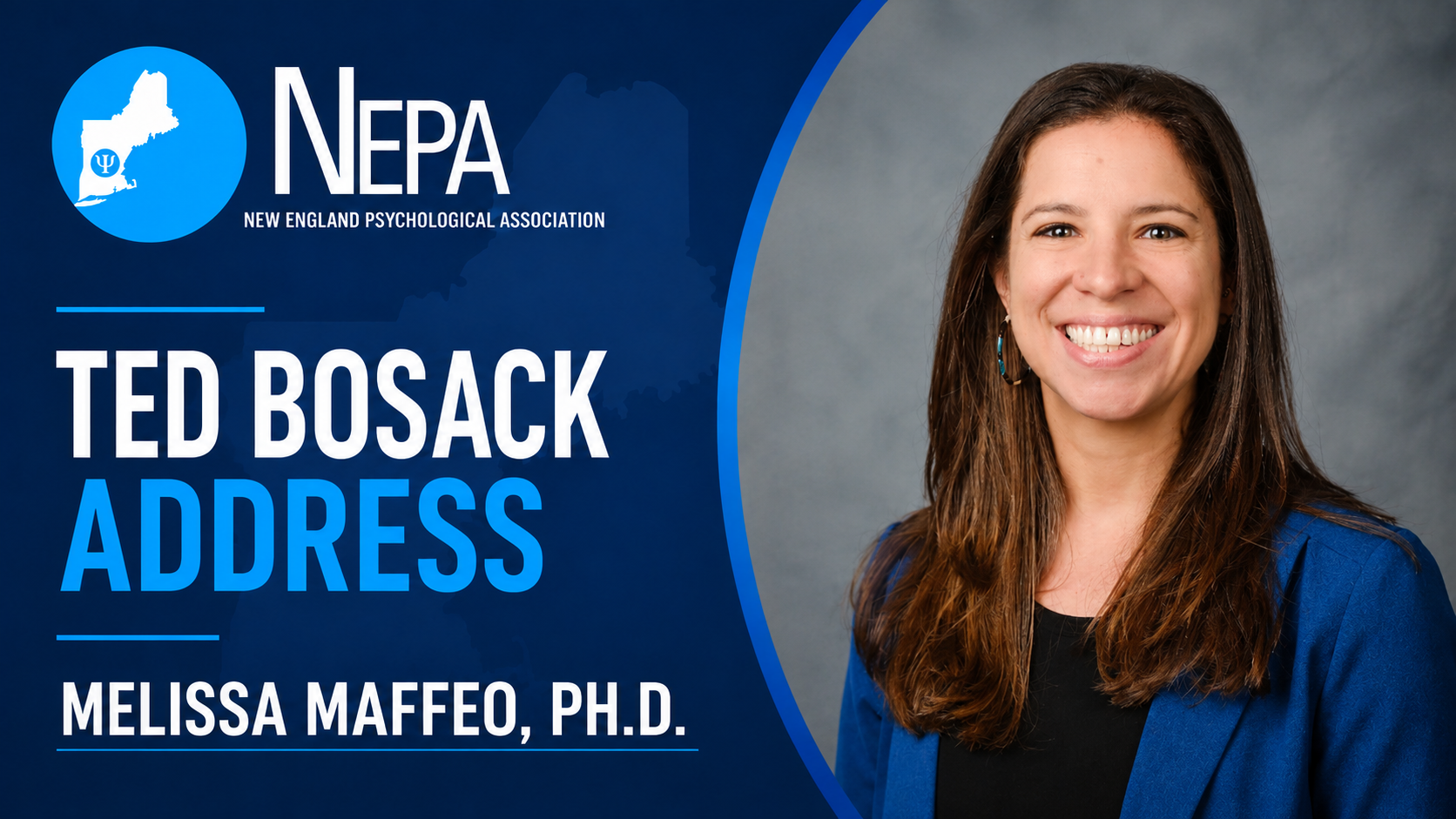
Dr. Darlene E. Crone-Todd
Professor Emeritus in Psychology
Salem State University
The conclusion of this session marks the end of the 2025 Annual NECTOP Meeting.
Please take a moment to complete our 2025 Participant Survey. SURVEYBACK TO TOP
CONTACT
Association Coordinator's
Mailing address:
Michael Amico, Ph.D.
Housatonic Community College
900 Lafayette Blvd
256 Beacon Hall
Bridgeport, CT 06604
NEPsychological@gmail.com
Phone: 203-362-5163
