Welcome to NEPA 2025 at William James College!
Browse our 2025 Conference Program Below REGISTER FOR NEPAPRINT PROGRAMFriday 5:45 PM – 6:45 PM
TED BOSACK ADDRESS
Rooms 334, 335, 336
Third Floor
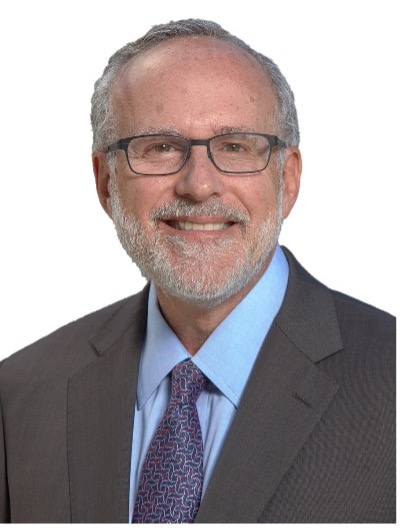
Diagnosing Chronic Traumatic Encephalopathy (CTE) During Life: Are We There Yet?
Robert A. Stern, Ph.D.
Professor of Neurology, Neurosurgery, and Anatomy & Neurobiology
Co-Founder and Director of Clinical Research, BU CTE Center
Senior Scientist, BU Alzheimer’s Disease Research Center
Boston University Chobanian & Avedisian School of Medicine
Introduced by Matthew Brubaker, Ph.D.
Springfield College
Chronic traumatic encephalopathy (CTE) is a neurodegenerative disease associated with repetitive head impacts from contact and collision sports, military service, and other sources. CTE is a neuropathological diagnosis characterized by abnormal tau protein around small blood vessels at the depths of the cerebral sulci. At this time, CTE cannot currently be diagnosed during life with accuracy. Accurate diagnoses of neurodegenerative diseases require characterization of its syndrome combined with the use of biomarkers to support the presence of the underlying neuropathology driving the syndrome – a framework we use to make accurate diagnoses of Alzheimer’s disease.
There have been significant advancements in the characterization of the specific cognitive and neuropsychiatric features of CTE, including the NINDS Consensus Diagnostic Criteria for Traumatic Encephalopathy Syndrome. Additionally, advances have been made in the development and validation of potential neuroimaging and fluid biomarkers that may be detect underlying CTE neuropathology during life. The goals of this lecture are to provide an overview on how clinical evaluation (including neuropsychological assessment) and biomarkers are used together to make accurate diagnoses of neurodegenerative diseases, and to provide updates on what we currently know (and don’t yet know) about the clinical syndrome and biomarkers of CTE.
SATURDAY 8:00 AM – 9:00 AM
Registration
Lobby/ground floor
SATURDAY 9:00 AM – 10:00 AM
Keynotes and Symposiums
Rooms 334, 335, 336
The Need and the Opportunity for Applied Psychology

Nicholas A. Covino, Psy.D.
President, William James College
Introduced by Beth Rogan
William James College
The field of psychology is large and filled with opportunities. This is fortunate because the psychological challenges in our country and globally are equally large in number and type. A variety of studies point to the growth in prevalence of anxiety, depression, and substance use disorders.
Recent work also identifies the rise in less severe, but equally distressing, issues such as feelings of loneliness and isolation among young people. Surveys find that as many as 37% of young adults report regularly feeling disconnected, despite (or maybe because of) the fact that technology has made us hyperconnected. At a time when consumers are more sophisticated about the value of psychotherapy in ameliorating these complaints, there is a critical shortage of behavioral health professionals. Not only does the demand for services far exceed the supply, but more people are retiring from the field than entering, with a serious shortage of professionals of color in the field. This makes access to care difficult for those who wish to have a therapist who is familiar with their culture,customs, and values, and it continues to limit the perspectives on psychological theory and practice. There is a need and a great opportunity for a significant increase in diverse licensed mental health professionals.
Not everyone in psychological distress requires a 50-minute hour. There are many opportunities and considerable need for psychologically trained professionals who can provide preventive interventions and skills to those in need. Expanding applied psychology from a clinical model to a public health model is essential to meet the increased prevalence of mental health problems that we are experiencing.
In addition to reviewing the needs and some of the practice opportunities, this presentation will ask participants to address the role that pedagogy in higher education plays in student stress.
General Poster Session I
Lounge-Ground Floor
Poster 1 The Underpinnings of Implicit and Explicit Racial Bias in Career Expectations
Helen Monroe, Lauren Yuen, Julia Bafia, Prama Singha, & Diane Mello-Goldner, Ph.D. (Boston University)
Poster 2 Music Preference and Personality Dimensions
Mia Engel, Jeanette Lee, Yutong Pan, Liam Verstraet, Angela Wang, & Diane Mello-Goldner, Ph.D. (Boston University)
Poster 3 Early-Life Social Support and Life Outcomes for LGBTQ+ Personal and Emotional Success
Stella Jarvis, Ravienne Hodgson, Yosra Riad, Leah Clifford, Asia Adams-Lemar, & Diane Mello-Goldner, Ph.D. (Boston University)
Poster 4 Relationship Between Big Five Personality Traits and Coping Among College Students
Madison Mueller, Michelle Nieves, Esther Ouyang, Mabel Wan, Ishimwe Jonathan, & Diane Mello-Goldner, Ph.D. (Boston University)
Poster 5 Seasonal Affective Disorder and Sleep Patterns in College Students
Awa Badji, Helaina Baron,Ijeoma Ezechukwu, KyleighGun, Amaya Willis, & Diane Mello-Goldner, Ph.D. (Boston University)
Poster 6 The Relationship between Family Connectedness and Risk-Taking Behaviors in Young Adults
Mina Boston, Olivia Dow, Andrea Garcia, Olivia Perez, OliviaTrotter, & Diane Mello-Goldner, Ph.D. (Boston University)
Poster 7 Intersectionality of GRIT, Cognitive Flexibility, Resistance to Change, and Growth Mindset
Tara L. Gannon, B.A. (Rider University) & Gary M. Brosvic, Ph.D. (Rider University)
Poster 8 Toughest Thing to Regulate: Yourself, While You Study Virtually
Kevin A. Angulo, B.A. (Rider University) & Gary M. Brosvic, Ph.D. (Rider University)
Poster 9 Mental Toughness, Mindfulness, and Flow in Adult Runners
Angela M. Legg, Olivia Johannson, Angelina Geerman, Samantha Saxen, & Ana Ramos- Amaya
Poster 10 Effectiveness of Mindfulness Interventions for PTSD Symptoms in Veterans
Caroline A. Ku (Seton Hall University) & Sandra S. Lee, Ph.D. (Seton Hall University)
Poster 11 The ADHD-Creativity Link: How Symptoms and Individual Differences Shape Creative Thinking
Caitlin Friscia, Ksenia Kessler, Deana Vitrano, & Eliza Barach (Western New England University)
Poster 12 The Creative Impact of ADHD: How Symptoms and Risk-Taking Shape Convergent Thinking
Emily-Jane Sullivan, Iris Daniels, Deana Vitrano, & Eliza Barach(Western New England University)
Poster 13 Born to Create? The Impact of Birth Order on Convergent and Divergent Thinking
Shea McDaniel, Alyzza Alicea, Deana Vitrano, & Abigail Caselli(Western New England University)
Poster 14 Perfectly Creative: The Impact of Individual Differences on the Perfectionism- Creativity Link
Natalie Bruneau, Caroline Bocwinski, Deana Vitrano, & Rachel Fernandes (Western New England University)
Poster 15 Mental Health Literacy and the Utilization of Counseling Services
Madeline Lemke, MiShayla Silver, Stacia Gagne (Worcester State University), & Dr. Kristine Camacho (Worcester State University)
Poster 16 Cancel Culture Is Over Party: How Gen Z Political Affiliation Impacts Attitudes Towards Cancel Culture
Safaa AlRamahi & Christina Francis (Boston University)
Poster 17 Assessing Anti-Racism Efforts in Higher Education Through Student Perceptions
Estefania Alicea, Abby Doyle, Amy Jano, & Kristine Camacho (Worcester State University)
Poster 18 Parenting, Cognitive Emotion Regulation, and Stress and Anxiety in College Students
Michael Morales, Johnna DeVico, Cynthia Ducatte, Mackenzie Frazer, & Shakeem Spencer (State University of New York Plattsburgh)
Poster 19 Building a Culturally Diverse Behavioral Health Workforce: A Training Model for Serving Youth in Underserved Communities
Trang U. Le, Ph.D., Gemima St. Louis, Ph.D., & ShaniTurner, Ph.D. (William James College)
Poster 20 The Relationship between Caffeine Dependence and Mental Health in College Students
Sunanda Guruprasad, Nate Kattady, Griffin Mikalauskis, Sarah Shabib, Jahnvi Thakker, & Diane Mello-Goldner, Ph.D. (Boston University)
Poster 21 Divided Attention Amplifies False Memory Susceptibility: Confidence Dynamics in Environmental Recall
Daniela Baez, Cheng Gao, James Bui, Nuha Alawe, Yijun Gong, & Diane Mello-Goldner, Ph.D. (Boston University)
Poster 22 Gender Bias in Leadership Evaluations
Zella Goodell, Celia Nocivelli, Emma Offord, Andrew Choi, Emily Yang, & Diane Mello Goldner, Ph.D. (Boston University)
Poster 23 Do Looks Really Matter? Exploring Hiring Bias Against Hairstyles
Danielle Kim, Ari Lo, Layla Mastrangelo, Cavelle Simpson, Faustina Tavassoli, & Diane Mello-Goldner, Ph.D. (Boston University)
Poster 24 Beyond the Ink: Juror Perceptions of Crime, Character, and Bias
Anita Edgar, Alyssa Huang, Sophia Hecht, Angela Kim, Anna Li, & Diane Mello-Goldner, Ph.D. (Boston University)
Poster 25 Beyond the Filter: How Social Media Profile Presentation Affects First Impressions
Michael Steed, Jeffrey Jor, Ela Canal, Julia Butler, Emily Zhou, Daria Kosack, Rachel Meyer, & Diane Mello-Goldner, Ph.D. (Boston University)
Poster 26 Virtual Mentoring with Neurodivergent College Students
Jacob Desruisseaux, Logan Closser, Joseph Veneziano, Laerke Niklasson, & Ashleigh Hillier, Ph.D. (University of Massachusetts Lowell)
Poster 27 Online College Preparation Program for Neurodivergent High School Students
Logan Closser, Jacob Desruisseaux, Joseph Veneziano, Evelina Sanzo, Alice Wood, Natalie Glatter, & Ashleigh Hillier, Ph.D. (UMass Lowell)
SYMPOSIUM
Rooms 227, 228
Second Floor
Generative AI and the Field of Clinical Psychology: Responsible Integration in Training and Practice
Stacey Lambert, Psy.D.
Vice President for Academic Affairs
William James College
Jason Osher, Ph.D.
Director, Office of Faculty Affairs; Faculty, Clinical Psychology Department
William James College
The clinical psychology profession stands at the edge of a technological shift: generative artificial intelligence (AI) is rapidly expanding into areas traditionally rooted in human judgment, empathy, and nuance. This symposium explores how psychologists can bring our ethical mindset, clinical reasoning, and person-centered approach to guide the responsible use of generative AI in clinical psychology careers. Rather than positioning AI as a threat or simplistic replacement, this symposium reframes the conversation: What does it mean to think like a psychologist in how we use and shape these tools? How can we align AI-enhanced workflows with our core commitments to attunement and clinical rigor?
The session is structured around two interconnected perspectives, both grounded in real-world application: Dr. Jason Osher will present on how generative AI is being introduced and examined in graduate training. Drawing from his work at the graduate level, Jason will explore how educators can teach emerging psychologists to use AI responsibly and reflectively. His segment will include examples from student work, discussion prompts used in classroom instruction, and strategies to ensure that AI is integrated in ways that promote—not bypass—critical thinking, ethical reasoning, and foundational clinical skills.
Dr. Stacey Lambert will further the discussion with a clinical lens, sharing how she has integrated generative AI tools into private practice in ways that improve efficiency without sacrificing therapeutic depth. She will highlight specific examples from case conceptualization, report writing, and communication with clients, offering a practical and ethical framework for how clinicians can use AI as a supportive tool—one that enhances rather than replaces clinical thinking. Attention will be given to preserving the “clinical voice” and relational tone in any AI-augmented material.
SYMPOSIUM
Rooms 332, 333
Third Floor
Transforming Children and Families: The Dynamic Role of a School Mental Health Professional
Jason P. Kaplan, Ph.D.
Chair, School Psychology Department
William James College
Are you passionate about positively impacting the lives of children, adolescents, and families? If so, this session is designed for you! The demand for School Psychologists and school-based mental health professionals has never been greater, as increasing numbers of students require vital mental health support.
According to the Substance Abuse and Mental Health Services Administration (SAMHSA, 2023), nearly four million American children are living with severe emotional impairments at any given time.
A career in school-based mental health offers unique and rewarding opportunities to support students who might otherwise face significant barriers to receiving care, such as financial constraints, transportation issues, scheduling conflicts, and fragmented services. School mental health professionals play a pivotal role in ensuring students have access to the resources they need to thrive academically, socially, and emotionally.
This interactive symposium will provide participants with a comprehensive overview of the dynamic and evolving role of school mental health professionals. Attendees will gain valuable insights into:
• The diverse responsibilities and daily impact of school-based mental health professionals
•The pathways to entering this rewarding field, including required training and credentials
• Key considerations for selecting a graduate program in school psychology or related disciplines
• The career advancement and financial benefits of working in educational settings
The session will feature a real-world case study highlighting the critical contributions of school mental health professionals to school communities and explore how you can become a catalyst for positive change in the lives of students and families.
Paper Session I
Rooms 226- Second Floor
Personality
Chair: Matthew Brubaker, Ph.D.
Springfield College
9:00 AM – 9:15 AM
Employing Isabel Wilkerson’s “Radical Empathy” to Pedagogy in Academia
Dr. S. Virginia Gonsalves-Domond
This paper presents a heuristic set of ideas to transform pedagogy in the academy by deploying the Wilkersonian concept of “radical empathy.” Best practices for its application are included.
9:12 AM – 9:22 AM
A Disordered Eating as a Coping Mechanism: The Role of Stress,Perfectionism, and Academic Perceptions in College Students
Ariana M. Botelho, M.A.
Melissa A. Marcotte. Ph.D.
Rhode Island College
The prevalence of and health risks associated with disordered eating among college students emphasize needing to investigate what is primarily leading to these eating behaviors. The present study investigates how a college student’s working hours and number of credit hours predict their stress levels and, in turn, disordered eating behaviors. Gender differences are also examined between stress and disordered eating. Undergraduate students (N = 202) were recruited from a Northeastern college with a working-class population. Students were required to be 18 to 24 years old, never diagnosed with an eating disorder, and identify as either a man or woman. Participants self-reported their current working hours, academic workload, stress, and disordered eating behaviors. College students’ working hours and number of credit hours had no relationship with their stress levels. However, greater subjective academic stress and lower subjective SES resulted in elevated stress levels. These stress levels did not have a relationship with their disordered eating, but increased perfectionism did elevate these eating behaviors.
In terms of gender differences, the severity of disorder eating and how much stress predicted these behaviors did not differ between women and men. Interestingly, there were gender differences on what led to disordered eating, for women increased perfectionism inflated these behaviors, while for men, although not statistically significant, higher stress levels increased these behaviors. The results of this study emphasize the importance of addressing college students’ psychological well-being rather than their number of working hours or credit hours, while also accounting for gender differences.
9:24 AM – 9:34 AM
The Dark Triad Predicts Interpersonal Needs and Aggression in a General Population Sample
Chloe Stanfa
Thomas Malloy, Ph.D.
Jayson Spas, Ph.D.
Eric Hall, Ph.D.
Rhode Island College
The Dark Triad of personality, which consists of narcissism, psychopathy and Machiavellianism, may be related to an increased likelihood of experiencing suicide ideation and aggression perpetration, which could lead to profound negative impacts on the lives of those high in the Dark Triad traits. Moreover, alcohol use may serve to mediate these relationships. The purpose of this quantitative study is to examine the influence of the Dark Triad of personality on suicide ideation and aggression perpetration, with additional consideration to the role that alcohol use plays in these relationships. A survey was administered to 197 participants via Qualtrics to assess demographic information, Dark Triad traits, alcohol use, interpersonal needs, and aggression perpetration using the Dirty Dozen scale, the Alcohol Use Disorders Identification Test (AUDIT), the Interpersonal Needs Questionnaire (INQ-15), and the Reactive Proactive Aggression Questionnaire (RPAQ). Data were analyzed using a series of structural equation models in AMOS. Findings suggest that the Dark Triad is significantly related to both interpersonal needs and aggression perpetration. However, alcohol use was not found to mediate these relationships. Our findings pose important theoretical and practical implications for the potentially negative outcomes that those high in the Dark Triad may face throughout their lifetime.
9:36 AM – 9:46 AM
Commercial Airline Pilots’ Personality Traits: Correlations with Safety Listening
Karol Maybury
University of Maine, Farmington
We conducted two studies of active commercial pilots to examine the conditions under which safety voice (the act of speaking up about safety hazards to those of equal or higher status in order to mitigate harm, Noort, 2019)and safety listening (the act of being responsive to safety concerns) flourish or are squelched. Study 1: We measured airline captains’ and first officers’ (N=349) personality traits and social beliefs and tested for correlations with safety listening and safety voice. We recruited active commercial pilots from a number of online pilot forums (e.g., AirlinePilotForums.com; Propilotworld.com), TikTok, and Facebook between March 5, 2025, and May 12, 2025. Captains and First Officers completed The Aviators’ Safety Listening Measure, which assesses general inclination to listen to, or suppress, the safety voice of crew members (Noort, 2019). We also administered a 5-factor personality test (agreeableness, extraversion, openness, conscientiousness, and neuroticism); a political opinion questionnaire, and demographic questions (e.g., age, flight hours, gender). Results: The pilots (N=349) were largely based in the United States and had completed an average of 3,700 flying hours. High neuroticism, low agreeableness, and right-wing extremism scores were associated with low safety listening. Analyses revealed several weak, but significant, correlations with being dismissive or distant toward crew members’ safety voice: neuroticism (r. (333)=.16, p.=.002); agreeableness (r.(333)= -.17, p.=002). In addition, right-wing political extremism (r.(348)=.19, p.=.001) was associated with poor safety listening. In Study 2, first officers (n=70) were recruited on the same sites, at a later date (May 20-May 31, 2025), for an experimental study: Imagine you’re the FO: How would you respond?. In a between-subjects design, first officers (n=70) were randomly assigned a scenario that began with an FO being introduced to either a 1) warm, low-power distance or 2) dismissive, high-power distance captain at the start of a trip. A three-flight-leg (typical domestic scheduled day for an airline pilot) scenario was then described. The trip starts out uneventfully, but becomes more problematic as the day progresses. We measured first officers’ expectations of the captain’s reaction to suggested course corrections, as well as their own sense of confidence with voicing an anomaly during final approach (landing).
Results: first officers’ confidence that their corrective action suggestions would be accepted by the captain was significantly lower (27.3%) in the group that was presented with the high power distance captain than the low-power distance (warm, egalitarian) captain (43.8%). Open-ended responses also revealed that first officers expected that the problems would be corrected without social costs (e.g., irritation) when they were paired with a low-power distance captain. At the end of the assessment, all participants answered an open-ended item “Please describe any difficult captains you have flown with, if any”. Frequently-cited personality traits and conversational approaches included: political garrulity, inscrutability, and verbalized low respect for junior officers. Both studies will be discussed in light of the goals of Human Factors and Aviation Psychologists who call for greater emphasis in psychological safety (e.g. safety voice and safety listening) in annual training.
9:48 AM – 9:58 AM
Knowledge About Organ Donation and Organ Donor Status in Boston University Students
Susie Jiaxing Pan
Sam Hewit
Boston University
The supply of donor organs in the United States continues to fall short of growing demand, resulting in adverse outcomes for patients awaiting transplantation. While prior research has examined the relationship between organ donor knowledge and intention to donate, fewer studies have investigated the link between knowledge and actual donor registration. In this study, we surveyed 76 undergraduate students at Boston University to examine whether registered organ donors demonstrated greater factual knowledge about organ donation than their non-registered peers. Participants completed a 10-item true-false knowledge test and reported their organ donor status. Consistent with our hypothesis, registered organ donors scored significantly higher on the knowledge measure than non-registered donors (p = .004). These findings suggest that increased factual knowledge about organ donation may contribute to higher donor registration rates. Educational interventions targeting knowledge gaps in young adults may therefore offer a promising strategy for increasing the national organ supply.
This concludes programming for the 9:00 AM – 10:00 AM session. The next time period begins at 10:10 AM.
SATURDAY 10:10 AM – 11:10 AM
Distinguished Contribution Award Address
Rooms 334, 335, 336
General Poster Session II
Lounge Ground Floor

Shared Social Attention Shapes Where We Look, How We Learn, and What We Believe
Beth Morling, Ph.D.
Professor of Psychological and Brain Sciences
Director of Undergraduate Education
University of Delaware
Introduced by:
Juan Zhong, Ph.D.
Springfield College
Teachers (and other communicators) constantly consider how to capture, direct, and sustain student attention. Learners who are interested and undistracted will learn more, so it’s worth helping our students cultivate good habits of individual focus. However, our classrooms are more than just collections of individually attending minds. Attention is a social sport. This talk will explore the phenomenon of shared attention—situations in which two or more people are aware that we are attending to some stimulus or situation at the same time. While psychologists have occasionally conceptualized humans’ quest for meaning is separate from their drive for connection, research on shared attention (and a related concept, shared reality) argues differently. For humans, meaning and belonging are impossible to separate. Meaning is social, and close relationships thrive on shared understandings. I will share some current science on shared attention and shared reality and introduce some fresh, evidence-based ways of thinking about face-to-face and online spaces. I hope attendees will feel curious, interested, and inspired to think more about the attention environments they participate in every day.
General Poster Session II
Lounge/Ground Floor
Poster 1 Cross-Cultural Experiences of Divine Forgiveness in Words and Images
Kaye Cook, Rachel Walsh, Jenna Lindsay, Daniel Young, & Richard Cowden (Gordon College) & (Harvard University)
Poster 2 The Role of Deservingness and Social Status in Shaping Envy and Attitudes Toward AI
Landon Bartlett & Dr. Naomi Aldrich
Poster 3 The Role of Childhood Emotional Abuse in the Association Between Social Media Use and Anxiety in Young Adults: A Scoping Review
Brianna Ohlund & Melinda Morrill, Ph.D. (University of New Hampshire)
Poster 4 Misread and Misjudged: How Gender, Contact, and Sexism Influence First Impressions of College Students with Autism Spectrum Condition
Ryan M. Walker, B.S., Michael J. Sheehan, Ph.D., & William A. Jellison, Ph.D. (Quinnipiac University)
Poster 5 The Influence of Childhood Socioeconomic Status on Generosity in Early Adulthood
Amelia Botelho, Allison Brown, Stephanie Donahoe, Aryn Lee, Donya Neghabat, & Robin Schmeizl (Boston University)
Poster 6 An Exploratory Mixed Methods Approach to Understanding the Perception of Pornography as a Means of Infidelity
Alexandra Riley, Ava Deprey, Deana Baez, Abby Caselli, Ph.D. & Deana Vitrano, Ph.D. (Western New England University)
Poster 7 Strength in Support: Building Confidence in Parents of Medically Complex Babies
Danielle E. La Camera, BA1, & Victoria A. Grunberg, PhD1,2,3 (1Center for Health Outcomes and Interdisciplinary Research, Mass General Brigham)(2Harvard Medical School)(3Division of Newborn Medicine, Mass General Brigham)
Poster 8 Talk to Me, Chatbot: Navigating Ethical, Clinical, and Diversity Challenges of AI Therapy
Sandra S. Lee, Ph.D., (Seton Hall University) & Rachel Asham (Seton Hall University)
Poster 9 Psychosocial Impact of Cancer-related Self-Disclosure by Young Adult Cancer Survivors
Carolyn Rabin, Ph.D. (William James College)
Poster 10 “Specialness”: Exploring Disability Attitudes and Descriptions in U.S. Foster Care Photolistin
Emily Howe & Reihonna Frost-Calhoun (Bridgewater State University)
Poster 11 Emotion Regulation in Daily Life: Trait Reappraisal Buffers the Negative Impact of Daily Stress on Positive Affect
Luke Stanton & Colleen Georges (Rutgers University)
Poster 12 The Role of Transphobic Experiences and Resilience Strategies in Noncisgender Well-Being
Leah Clifford, Stella Jarvis, & Dr. Diane Mello-Goldner (Boston University)
Poster 13 Exploring the Role of Parental and Personal Factors in the Development of Academic Self Efficacy in College Students
Varnith Bhat (Rutgers University – New Brunswick), Zaliyna Hina (Rutgers University – New Brunswick), & Margaret Ingate (Rutgers University, New Brunswick)
Poster 14 From Sidewalks to Screens: Smartphone Distraction in Pedestrians Pre- vs. Post-COVID
Robert Polewan, Ph.D., David Keogh, Katelyn Courteau, & Kayla Manning (Curry College)
Poster 15 Examining Relationships Between Attachment Style, Anticipatory Caregiving Anxiety, and Preparation for Future Care
Katherine D. King, Psy.D. (William James College), McEllen Lawrence, Psy.D. (William James College), Samantha Harrington, MS (William James College), Megan Hartnett, MA (William James College) & Anna Williams, MA (William James College)
Poster 16 Rating Sudoku Puzzle Difficulty
Mauricio Rodriguez, Dailyn Q. Clark, & Jeanette Altarriba (University at Albany, SUNY) Poster 17 Threat Perception as a Justification for Aggression Rather than a Cause Trinity Barrow & Angela Bahns (Wellesley College)
Poster 17 Threat Perception as a Justification for Aggression Rather than a Cause
Trinity Barrow & Angela Bahns (Wellesley College)
Poster 18 Processing Speed in Neurodevelopmental Disorders: Contrasting Performance in ASD and ADHD
Madeleine Manno (ICCD), Rachel Barbanente, B.S. (ICCD; William James College), Zz Liang, B.A. (ICCD), Jennifer Dupont Frechette, Ph.D. (ICCD; William James College), Leah Murphy, Psy.D. (ICCD), & Rafael Castro, Ph.D. (ICCD)
Poster 19 Sleep Loss, Mental Health, and Domestic Abuse
Melissa Wilkins & Joshua A. Muniz (Community College of Rhode Island)
Poster 20 Mental Health Correlates of Cannabis Vaping and Smoking
Polina Mosharova (1,2); Alexander Zhang, BA (1,2); Timothy D. Becker, MD (1,2,3); Mark Olfson, MD, MPH (1,2); Ryan S. Sultan, MD (1,2,4) – (1. Columbia University), (2. New York State Psychiatric Institute), (3. Weill Cornell Medicine), &(4. Integrative Psychiatry)
Poster 21 Skills Training for Equitable Pathways (STEP) Program: Building Cultural and Linguistic Capacity in the Behavioral Health Workforce
Gina Benjamin, MSW, LICSW, Yasmine Ibrahim, MA, Claudergine Clerphon, MA, & Ishtar Pady, BA
Poster 22 Redefining Worth: Unconditional Self-Worth and its Relation to Feeling Cared for by God
Brendan Merhab 1 & Emily J. Hangen 1 (1. State University of New York Brockport)
Poster 23 Schizotypal Traits and Visual Memory Performance in a Healthy Undergraduate Sample
Madeline Uretsky Resnick, M.S. (University of Connecticut), Sen Lin (University of Connecticut), Rrutu Kurtakoti (University of Connecticut), & Chi-Ming Chen, Ph.D. (University of Connecticut)
Poster 24 Cognitive Functioning in Pediatric Asthma: Evidence from WISC-V Indices
Owen Apigian (University of Massachusetts), Amelia Brasil (ICCD), B.A., Leah Murphy, Psy.D. (ICCD), Jennifer Dupont Frechette, Ph.D. (ICCD, William James College), & Rafael Castro, Ph.D. (ICCD)
Poster 25 The Survival Processing Paradigm: New Approaches to Learning Emotion and Non-Emotion Words
Sarah N. Jones & Dr. Jeanette Altarriba (University at Albany, State University of New York)
Poster 26 Higher EEG Hemispheric Synchronicity is Linked with Calm Emotion 23 during Relaxing Music
Tadashi Kato, Ph.D., Sara Lael Campbell, Emma R. Urbanic, & Janna B. Huggins (Fairmont State University)
Poster 27 Meditation produces heightened EEG hemispheric coherence
Tadashi Kato, Ph.D., Emma R. Urbanic, Sara Lael Campbell, & Janna B. Huggins (Fairmont State University)
Symposiums
Rooms 227, 228 – Second Floor
Neurodivergent Adults: A Discussion of Independence and Intersectionality
Jacob Desruisseaux
Logan Closser
Candice Cooley-Johnson
Quynh Pham
Joseph Veneziano
Ashleigh Hillier, Ph.D.
UMass Lowell Department of Psychology
This symposium will focus on neurodivergent adults, specifically on two themes: fostering independence and considering intersectionality. The goal of the symposium is to cover a broad range of topics related to these themes and provide the audience with a deeper understanding of current issues facing neurodivergent adults. Topics will include financial literacy among neurodivergent adults, college success through mentoring, how intersecting identities impact feelings of belonging, social support, and well-being, and understanding and measuring camouflaging of autistic traits. Emphasis will also be placed on methodology, where we will review how to conduct a systematic literature review, qualitative and quantitative data analysis, and structural equation modeling. We intend for our symposium to be of particular interest to undergraduate and graduate students, neurodivergent individuals, family members, and possibly faculty and staff.
Symposiums
Rooms 332, 333 – Third Floor
Mentoring Perspectives on Empowerment, Growth, and Leadership Roles of Students in the Psychology Profession
Sukanya Ray, Ph.D.
Etianna Etienne, Psy.D.
Yanxi Liu, M.P.H.
Samantha (Sam) Greco, M.A.
Sophia Kozlowsky, M.A,
Suffolk University & William James College
This presentation will address the role of mentoring in the professional development of psychology students. Authors will discuss mentor-mentee relationships through theoretical, empirical, and experiential frameworks towards strengthening growth and leadership activities among undergraduate and graduate students in Psychology. We intend to examine different mentoring models, roles, power dynamics, and growth trajectories. It will specifically address the benefits and challenges of various mentorship models and their impact on mentees’ professional development, drawing on experiential scenarios and preliminary research findings. In addition, presenters will offer insight into shifting mentorship strategies to meet the needs and facilitate the growth of students/trainees of minoritized groups across professional settings.
Paper Session II
Rooms 226- Second Floor
Cognitive Psychology and Health and Well-Being
Chair: Juan Zhong, Ph.D.
Springfield College
10:10 AM – 10:25 AM
Algorithmic Decision-Making in Everyday Life: A Cognitive and Computational Perspective
Olga Lepsky, Ph.D.
Carol DiFalco, Ph.D., LMHC
Quincy College
Human decision-making is often influenced by heuristics, cognitive biases, and emotional states, leading to inconsistencies and suboptimal choices. While psychological research has explored these tendencies, solutions for improving decision quality remain largely theoretical. Our work examines how algorithmic models—commonly used in machine learning—can provide structured approaches to decision-making, reducing cognitive bias and enhancing clarity. By mapping decision-making processes onto computational frameworks, we explore how individuals can apply structured strategies without requiring formal mathematical or programming knowledge. Through conceptual analysis, we align common decision types with algorithmic models. The k-Nearest Neighbors (kNN) approach reflects how people rely on past experiences when making choices. Decision trees provide a systematic process for narrowing complex choices, while Bayesian inference helps assess uncertain outcomes. Reinforcement learning principles offer insights into dynamic decision-making, where strategies evolve based on feedback. These models present an alternative to intuition-driven decisionmaking, equipping individuals with structured approaches that enhance judgment in personal and professional contexts. Our paper serves as the foundation for an upcoming empirical study, beginning in Fall 2025, which will test how individuals apply algorithmic decision-making strategies in real-world scenarios. The study will examine whether structured decision frameworks reduce bias, improve confidence in choices, and lead to better long-term outcomes. 25 By bridging psychology and computational approaches, our research contributes to the growing conversation on cognitive optimization and decision support systems, offering an interdisciplinary perspective on enhancing decision-making effectiveness.
10:25 AM – 10:40 AM
Cognitive and Metacognitive Predictors of Probabilistic Learning: Investigating the Contributions of Working Memory, Fluid Intelligence, Attention, and Self Regulated Learning Strategies
John Augusta
Trina C. Kershaw
University of Massachusetts Dartmouth
Multiple Cue Probability Learning (MCPL) is a framework for understanding how people make judgements when presented with unfamiliar cues. MCPL tasks mirror real-world situations where individuals must make decisions based on information they receive and how they learn over time to improve those decisions. Consistent successful decisions over time is considered achievement, and prior research has found differences in achievement based on types of strategies, cues, and feedback. Little research has been done directly analyzing the individual cognitive and metacognitive differences that contribute to achievement. This study investigated the relationship between fluid intelligence, working memory, attention control, and self-regulated learning strategies and performance on a Weather Prediction Task (WPT), a task aligned with the MCPL paradigm. Twelve undergraduate students completed 112 trials of the WPT, followed by a variety of individual difference measures. These included Raven’s Progressive Matrices, which measures fluid intelligence, Operation span and Symmetry span for working memory, and Stroop, Flanker, and Simon Squared tasks, which measure attention control. Subscales from the Motivated Strategies for Learning Questionnaire (MSLQ) and the Self-Regulation of Learning Self-Report Scale (SRL-SRS) were used, which measure constructs like metacognition, self-efficacy, and planning. A correlational analysis indicated that higher achievement on the WPT was related to fluid intelligence, self-monitoring, self-efficacy, and planning. Working memory was positively correlated with WPT achievement. Surprisingly, attention control was negatively correlated with performance.
This preliminary data suggests that both cognitive and metacognitive processes play an important role in probabilistic learning. Initial implications of this preliminary data indicate that fluid intelligence may play a unique role in MCPL tasks compared to other cognitive measures. Second, specific metacognitive scales like self-monitoring and planning may be more helpful in this type of learning environment compared to others. Future research with larger sample sizes could evaluate how crucial each cognitive process is to success in probabilistic learning and decision making. Understanding the cognitive mechanisms that support effective probabilistic decision making can help improve effectiveness, reduce errors, and promote adaptive thinking in a variety of environments. Overall, this work advances scientific understanding of decision making under uncertainty.
10:40 AM-10:55 AM
The Synchronization of Stress Responsivity and Affective States in Close Friendships
Emma Lewis
Cal Allen
Dr. Emily Cook
Rhode Island College
This study examined the level of synchrony within close friendships when faced with a laboratory stressor. This area was investigated within 30 dyads who generally identified as woman (85%) and were diverse within their cultural identity. Most participants were college students within the Northeastern part of the United States (85%). Synchrony was measured using both self-report and psychological measures. To test the hypothesis, multiple statistical techniques were used, including correlation and actor-partner independence models. The data suggest that at baseline, the friends’ positive affect and alpha amylase was correlated. Following the stressor, the control friend’s alpha-amylase and cortisol predicted the friend who experienced a stressor’s alpha-amylase and cortisol levels. To better understand how close friends synchronize, it would be important to repeat this study with a larger sample size with an equal number of men and women.
10:55 AM-11:10 AM
Life Stressors and Well-being Among Black Men
Dr. Damon A. Pryor
Dr. Gemima St. Louis
William James College
This presentation explores research conducted on the well-being of Black men in the United States, with a focus on both the factors that promote psychological health and the systemic barriers that impede access to mental health care. Drawing from two distinct yet interconnected studies conducted between 2017–2019 and 2022–2024, this work utilizes semistructured interviews and Interpretative Phenomenological Analysis (IPA) to uncover emerging themes related to identity, resilience, stress, and support among Black men aged 25 to 45 residing across the U.S. Participants spoke to their lived experiences of navigating systemic racism, socioeconomic challenges, and social exclusion, while also highlighting the value of emotional, academic, and physical support from fathers, teachers, and mentors. The findings also emphasize the critical impact of financial stability on identity development, and the ways in which limited access to mental health education and culturally responsive providers shapes engagement with care systems.
SATURDAY 11:20 AM – 12:30 PM
NEPA Business Meeting
Rooms 334, 335, 336
General Poster Session III
Lounge, Ground Floor
NEPA Presidential Address
Rooms 334, 335, 336

The Effect of Age-Based Stereotypes on Older Adults
Matthew S. Brubaker, Ph.D.
Springfield College
New England Psychological Association President
Introduced by:
Alexandra Burgess, Ph. D.
Worcester State University
Stereotype threat occurs whenever an individual is put in a situation where there is a fear of confirming negative stereotypes about an in-group they belong to. This often leads to anxiety and impaired performance by disrupting cognitive function. While stereotype threat has been found to affect many different situations and groups of people, the current talk will focus on the impact of negative age-based stereotypes on older adults’ cognitive and physical performance.
I will share research both from my lab and others demonstrating how stereotype threat can adversely impact older adults, what some of the underlying cognitive mechanisms might be, and also discuss the implications this has in the workplace, clinical settings, and everyday life.
General Poster Session III
Lounge, Ground Floor
Poster 1 The Relationship Between Well-Being and Self-Defining Memories: A Scoping Review
Julia Conner (Connecticut College), Jefferson A. Singer (Connecticut College), & Pavel Blagov (Whitman College)
Poster 2 Emotion Dysregulation and Suicide Risk in Psychiatric Outpatients: Predictive Utility Above Core Affective, Cognitive, and Diagnostic Factors
Matthew Snyder, B.S. (SCP Psychiatry & Brown Medical School), Maram Faqqouseh, B.A. (SCP Psychiatry & Brown Medical School), & Mark Zimmerman, M.D. (SCP Psychiatry)
Poster 3 The Contributions of Social Functioning and Emotion Dysregulation to Depression Severity in Patients with Depressive Disorders
Matthew Snyder, B.S. (SCP Psychiatry, Warren Alpert Medical School of Brown University) & Mark Zimmerman, M.D. (SCP Psychiatry)
Poster 4 Perfectionism, Academic Performance, and Academic Confidence in College Students
Emersen [Emma] Tolman (Marist University), Megan Connaghan (Marist University), & C. Ryan Kinlaw (Marist University)
Poster 5 Do Awe-inducing and Prosocial Stimuli Impact the Evaluation of Autobiographical Memories?
Ashley Currao (Connecticut College) & Loel Tronsky (Connecticut College) (now at UConn at Avery Point)
Poster 6 The Impacts of Study Strategies andDeep/Surface Learning Approaches on Memorizing Academic Content
Giselle Hunter Korn (Connecticut College), Nicholas Advani (Connecticut College) & Loel Tronsky (Connecticut College) (now at University of Connecticut at Avery Point)
Poster 7 Supporting The Needs of Neurodivergent Employees in The Workforce: An Overview of Literature
Sophia Naim (Undergraduate Senior, Psychology, Philosophy & Information Systems) & Sukanya Ray, Ph.D. (Suffolk University)
Poster 8 A Preliminary Examination of the Relationship between Depression, Loneliness, Stress, Emotion Regulation, and Obsessive-Compulsive Symptom Severity in College Students
Mabel Shanahan & Elizabeth T. Kneeland (Amherst College, Department of Psychology)
Poster 9 Perspective Taking and Intimate Relationship Health
Paul C. Locasto, Penny A. Leisring, Samuel King, Isabella Lais, & Madison Tornberg (Quinnipiac University)
Poster 10 Are We Measuring Math Anxiety Accurately? Testing Factor Structure and Invariance of the Abbreviated Math Anxiety Scale (AMAS)
Daniel Distefano, Ciara Venter, Erica Ferrara, Conor Johnston, & Jennifer McDermott
Poster 11 The Contribution of Serial Position Effect Profiles to CSF Phosphorylated Tau Biomarkers in Predicting Conversion to Alzheimer’s Disease in Cognitively Intact Older Adults
Vivian Chu 1,2, Aditya Kulkarni 1,2, Melissa Pocsai 1,2, Isabelle Avildsen 1,2, and Nancy S. Foldi 1,2,3 29 1 Clinical Psychology Doctoral Program, Queens College, City University of New York 2 The Graduate Center, City University of New York 3 Dept. of Radiology, Weill Cornell Medical Center, New York
Poster12 The Role of Natural Mentor Closeness in Academic Self-Concept and Depressive Symptoms among First-Generation College Students During the Transition to College
Lauren Avila, Emma Brown, & Elizabeth Raposa, Ph.D. (Fordham University)
Poster13 Masculine Versus Feminine Traits in Female Politicians:’ Voters’ Perspectives on a Candidate’s Abilities to Lead
Jocelyn Silverberg (Albertus Magnus College), Jennifer Dealy (Assumption University), & Ross Edwards (Albertus Magnus College)
Poster14 Incidental Learning of Mandarin Tones via Flanker Task
Nusrat Zaman, Rachel Burdin, & Casey L. Roark
Poster15 More Alike Than We Think: A Legal Moral Matrix Analysis of Controversial Speech Attitudes
Anabella Denneno & Dr. Elizabeth Spievak (Bridgewater State University)
Poster16 The Effect of Math Anxiety on Response Time and Disengagement Among Females Under Math Stereotype Threat
Jacob Solomon, Conor Johnston, Erica Ferrara, M.S., Daniel Distefano, Evan Yang, Rita Goodwin, Chaia Flegenheimer, Ph.D., & Jennifer McDermott, Ph.D.
Poster17 How does the Parental Support of Immigrant Parents Influence First-Generation College Students?
Sarah Dilchand, Dr. Elizabeth Raposa, & Thariana Pichardo (Fordham University)
Poster18 Planning Futures: Gender Differences in Goal-Setting Among High-Achieving Rural African American Adolescents
Olivia Adelabu (Princeton University) & K’Nadja Sims (Boston University Wheelock College of Education and Human Development)
Poster19 Dancing to De-Stress: The Impact of Zumba Fitness on the Psychological Well-being of College Students
Orli Juarez (Rhode Island College) & Dr. Jayson Spas (Rhode Island College)
Poster 20 Personality Traits Amongst Military Men and Civilian Men
Nicholas Stephaan Pinnock, M.A., M.S., LPCA
Poster 21 Social Behaviors in Super Smash Bros.
Melee Haylee Kilfeather, Catherine Whearty, Jacob Scataglini, Alfred Mingrone, Dr. Kelly Stiver, & Dr. Gayle Bessenoff (Southern Connecticut State University)
Poster 22 Gender Identity and Age in the Perception of In-Game Behaviors in Super Smash Bros.
Melee Jacob Scataglini, Haylee Kilfeather, Catherine Whearty, Alfred Mingrone, Dr. Kelly Stiver, & Dr. Gayle Bessenoff (Southern Connecticut State University)
Poster 23 Guided or Gambling? Parenting, Self-Control, and the Risky Decisions Teens Make
Kya Ransom, Ziqian Gong (University of Massachusetts Amherst), Brooks Casas, Jungmeen Kim-Spoon (Virginia Tech), & Kirby Deater-Deckard (University of Massachusetts Amherst)
Poster 24 Student-Versus Teacher-Reports of Student-Teacher-Relationship Quality in a Young Autistic Sample
Greta Vecsey (University of Massachusetts Boston), Abbey Eisenhower (University of Massachusetts Boston), Jan Blacher(University of California, Riverside), & Narmene Hamsho (Fairleigh Dickenson University)
Poster 25 The Effect of Traumatic Experience and Posttraumatic Stress Symptoms on Self-care Practices Among Pregnant and Postpartum Women in South Africa
Bywaters, A., Shin, H.J., Fertig, M.R. (Boston University), Githaiga, J.N., Gwangqa, L., Onverwacht, M. (University of Cape Town), Kabel, K., Ashar, D.A., Kosack, D., Mittal, R. (Boston University), Psaros, C. (Massachusetts General Hospital), & Stanton, A.M.
Poster 26 Coping with Technostress in Online Learning The Role of Community Support and Digital Literacy
Amanda Omalek (Norfolk State University)
Paper Session III
Rooms 226- Second Floor
Lifespan Development
Chair: Juan Zhong, Ph.D.
Springfield College
11:20 AM – 11:35 AM
Queens of Chaos: How ADHD Affects the Experience of Motherhood
Ashley Murray, Ph.D.
Lesley University
This qualitative study explores how Attention Deficit/Hyperactivity Disorder (ADHD) shapes the lived experiences of mothers within a cultural framework of intensive, idealized motherhood. Historically, ADHD has been underdiagnosed in women and misunderstood as a condition primarily affecting hyperactive young boys. As a result, women often confront 31 ADHD symptoms without adequate recognition, support, or social understanding. Simultaneously, motherhood in North America remains defined by gendered expectations of selflessness, emotional regulation, and executive functioning. This study investigates the intersection of these realities. Utilizing a hermeneutic phenomenological approach, the researcher conducted in-depth semi-structured interviews with five mothers diagnosed with ADHD. Participants were recruited from online communities for women with ADHD and met eligibility criteria, including a formal diagnosis, North American residency, and parenting at least one child over age two. Interviews focused on how ADHD symptoms influence participants’ parenting, self-perception, and experiences of social judgment. Findings revealed a core dissonance between participants’ caregiving intentions and their actual behaviors—a phenomenon often described in literature as the “intention-behavior gap.” Major themes included difficulties with time management, emotional regulation, task completion, and the internalization of failure in relation to gendered parenting ideals. Participants described profound guilt, shame, and feelings of inadequacy, often rooted in societal comparisons to neurotypical mothers. The emotional toll was especially high in relational contexts such as spousal dynamics, interactions with healthcare providers, and perceived judgment from peers. In response to these findings, the study introduces the Access-Affirmation Matrix, a conceptual model illustrating how internalized self-perception as a mother is shaped by both personal affirmation and access to structural support (e.g., diagnosis, community, financial resources).
The model situates participant experiences within broader systems of gendered labor, disability stigma, and support inequity. Implications of this research extend to both clinical and educational contexts. The study challenges deficit-based narratives of ADHD in motherhood and supports reframing maternal identity through disability-informed and feminist frameworks. Recommendations include more inclusive diagnostic practices, systemic efforts to affirm neurodivergent maternal identities, and targeted support structures that acknowledge the intersectional burden of gender and disability. This work contributes to the growing body of scholarship examining neurodivergence through a gendered psychological lens and advocates for a more equitable and compassionate understanding of maternal competence.
11:32 AM – 11:42 AM
Relationship Between Aversive Childhood Experiences, Mood Disorders, and Comorbidity
Shiying Deng
Boston University
Child aversive experiences ( ACEs), such as maltreatment and caretaker dysfunction, are widely supported by prior research and theories to have long-lasting physical and psychological effects, including mood disorders, attachment difficulties, and impaired socialization abilities. However, less is known about the impact of various types of ACEs on mood disorders and their role in contributing to comorbidity. Identifying these can guide the development of targeted interventions and therapies and improve early screening efforts, enabling timely 32 support for at-risk individuals. This study utilizes psychiatric data to examine the relationship between ACEs and mood disorders, as well as the impact of having comorbidity and ACEs on the development of other psychiatric comorbidities using logistic regression models. The analyses did not yield statistically significant results, highlighting critical limitations in the dataset, but more importantly, conflicting theories, such as resiliency. These findings underscore the challenges of studying the causal relationship between psychological disorders and environmental impact and identifying the theories contributing to it.
11:44 AM-11:54 AM
Gray Matters: Mindfulness-Based Interventions for Depression Symptoms in Older Adults
Cabble, A. & Lee, S.
Depression is a common but often overlooked mental health condition among older adults. As the global population of individuals aged 60 and over is projected to reach 1.4 billion by 2030, the prevalence of late-life depression is expected to rise substantially (Hu et al., 2022). Older adults face unique risk factors such as chronic illness, limited mobility, social isolation, bereavement, and functional impairments, all of which increase vulnerability to depressive symptoms (Maier et al., 2021). Structural and socioeconomic barriers—such as poor access to healthcare, limited insurance coverage, and financial insecurity—further compound these risks (Cai et al., 2022). Despite these challenges, depression in older adults frequently goes undetected and untreated, contributing to diminished quality of life and increased healthcare costs. Mindfulness-based interventions (MBIs) offer a promising, accessible, and cost-effective approach to managing depression in older populations. Mindfulness, defined as the intentional and nonjudgmental awareness of the present moment (Kabat-Zinn, 2003), has been incorporated into a range of evidence-based practices, including Mindfulness-Based Cognitive Therapy (MBCT) and Mindfulness-Based Stress Reduction (MBSR). Studies have demonstrated that MBIs can significantly reduce depressive symptoms in older adults, improve self-compassion, reduce rumination, and enhance emotion regulation (Kropp & Sedlmeier, 2019; Shih et al., 2021). Multiple studies highlight the unique effectiveness of MBCT in particular. For example, Meetan (2015) found that older adults with recurrent depression who participated in MBCT reported enhanced purpose in life, greater control over moods, and sustained improvement at six-month follow-up. Similarly, Reangsing et al. (2020) found MBIs to be especially effective in older adults of Asian descent and those participating in shorter-duration programs. Moreover, MBIs such as the Mindfulness-Based Alzheimer’s Stimulation Program (MBAS) have shown promise in preventing depression in individuals with early-stage Alzheimer’s disease (Quintana, 2022).
Complementary approaches such as mindful yoga and relaxation training have also shown psychosocial benefits for older adults. Participants report improvements in mood, social relationships, sleep, and familial interactions, as well as reduced self-criticism and greater acceptance of emotional experiences (Lee et al., 2019). Given the growing aging population and the widespread need for mental health 33 interventions, MBIs offer an effective, culturally adaptable, and non-invasive option for improving the emotional well-being of older adults. These practices can be integrated into community, hospital, and long-term care settings. This presentation will review recent research findings, compare different MBI modalities, and offer recommendations for clinical application and future study.
11:56 AM-12:06 PM
Do Cerebrovascular Disease and Depression Predict Memory Performance in Older Adults?
Nicholas Cushman & Andrew J. Revell
The topic of interest for this study is the relationship between memory loss and two health-related variables, depression and cerebrovascular disorder (CVD). Currently, there exist several studies regarding the relationship between memory and depression alone, with several (but not all) of these studies finding that memory performance is inhibited following the introduction of depression as a variable. However, it is also worth noting that this may be due to issues such as brain fog or somatic symptoms rather than genuine cognitive decline. Fewer studies are found in regards to the relation between CVD and memory, although the existing studies on this topic tend to conclude that memory performance is lessened when taking CVD into account. This study incorporates data on memory task performance collected from the Southcoast cognitive aging study (SCAS, Nelson & Revell, 2025; Revell et al., 2015, 2018). The memory-related tasks borrowed from this data set include a verbal fluency test, the immediate and delayed recall of two stories (both individually and paired together), and the immediate recall of words listed during three separate trials of the Word List Memory Task. Following the collection and analysis of data, there were some interesting findings concerning the significant results. There was a significant finding for the relationship between depression and the immediate recall of stories A and B together. However, the data indicated a positive relationship rather than the hypothesized negative relationship. When looking at the relationship of both depression and CVD on the story tasks, it was found that only depression had an effect on immediate recall, while only CVD diagnosis had an effect on delayed recall. For the Word List Memory Task, there was a significant relationship between depression and the number of intrusions during Trial 3. Complementary approaches such as mindful yoga and relaxation training have also shown psychosocial benefits for older adults. Participants report improvements in mood, social relationships, sleep, and familial interactions, as well as reduced self-criticism and greater acceptance of emotional experiences (Lee et al., 2019). Given the growing aging population and the widespread need for mental health 33 interventions, MBIs offer an effective, culturally adaptable, and non-invasive option for improving the emotional well-being of older adults. These practices can be integrated into community, hospital, and long-term care settings. This presentation will review recent research findings, compare different MBI modalities, and offer recommendations for clinical application and future study.
Taking all of the findings into account, this relationship in particular displayed the highest level of significance. There were no significant relations between CVD and any of the trials for this task, nor were there any notable findings for the verbal fluency task as a whole. The overall results of this study were interesting given some of the findings being in the opposite direction compared to what was hypothesized. Nevertheless, these findings still offer some insight into the individual relationships between depression and CVD on memory performance, as well as their combined influence. A future study could perhaps measure other health-related variables on their relationships with memory, or likewise measure other demographic variables outside of physical and mental health.
12:08 PM – 12:18 PM
“Don’t Give Up”: Advice from Grandparents to First-Generation Students
Emily H. Achin
Emma K. Lewis
Ariana M. Botelho, M.A.
Kathryn E. Faria
Melissa A. Marcotte, Ph.D.
Rhode Island College
It is unfortunately assumed that the families of first-generation college students (FGCS) do not have much to offer the student in terms of guidance around college and career choices. This study, however, uses the interviews of grandparents conducted by their first-generation grandchildren to highlight the many ways in which intergenerational advice can be meaningful, inspirational, and practical, even if the family member does not have direct experience as a college student themselves. Data were collected using semi-structured interviews (N = 14) conducted by FGCS with their grandparents. Themes around working hard, resilience, career satisfaction, making time for yourself and loved ones, and leaning on family for support emerge from this rich data set. We hope the results can illustrate for both students and collegiate institutions the value of support and advice from the families of FGCS.
This concludes programming for the 11:20 AM – 12:30 AM session. The next time period begins at 12:40 AM.
SATURDAY 12:40 PM – 1:40 PM
SCIENCE AND SOCIETY ADDRESS
Rooms 334, 335, 336
2025 science and society address
ROOMS 334, 335, 336

Adaptive Constructive Processes in Memory and Imagination
Daniel L. Schacter, Ph.D.
Professor of Psychology
Harvard University
Memory serves critical functions in everyday life, but is also prone to error and distortion. In this talk, I will discuss what I have referred to as adaptive constructive processes, which play a functional role in memory and cognition but can also produce distortions, errors, and illusions. I consider these processes in the context of the seven “sins” of memory, which refer to various kinds of memory errors that can be conceptualized from an adaptive perspective. According to the constructive episodic simulation hypothesis, imagining future and other hypothetical experiences depends importantly on episodic retrieval processes that allow individuals to draw on the past in a manner that flexibly recombines elements of previous experiences, which is adaptive for simulating novel scenarios based on past experiences, but may also render the system prone to memory errors. This talk will consider recent cognitive and neuroimaging studies that help to characterize the role of adaptive constructive processes in memory, imagination, and creativity.
GENERAL POSTER SESSION IV
LOUNGE GROUND FLOOR
Poster 1 The Effects of Online Psychosocial Stress Induction for Current Mood Scores and Verbal Memory Encoding of Human Subjects
Reno N. Malanga & Alicia A. Walf (Rensselaer Polytechnic Institute)
Poster 2 A Decade of Decline: Changes in Self-Esteem and Self-Concept Clarity among Emerging Adults in New England
Alexandra Devlin (University of New England) & Danielle McCarthy (University of New England)
Poster 3 Authoritarian Parenting Style Effect on Children’s Sleep
Diana Won, Lindsey Mooney, Ph.D., & Rebecca Spencer, Ph.D. (University of Massachusetts – Amherst Somneuro Lab)
Poster 4 The Link between Relationship Motivation and Self-Esteem Through Dating Apps
Sara Alkooheji & Luna Lenzi (Boston University)
Poster 5 Timing of Early Maternal Stress and Transdiagnostic Psychopathology in Toddlers: Longitudinal Associations Across Internalizing, Dysregulation, and Maladaptive Symptom Domains
Niccola Lutri, M.P.H.* Northeastern University (Bouvé College of Health Sciences), Viviane Valdes, Ph.D., M.P.H.* Boston Children’s Hospital (Division of Developmental Medicine) Harvard Medical School (Department of Pediatrics), Iyanuoluwa Shonukan
Poster 6 Surviving and Thriving: A Psychology Chair’s First-Year Lessons
Amy Cota-McKinley (Worcester State University)
Poster 7 Sport Psychology: Use of Imagery by Ice Hockey Goalies
Kaitlin Pasinski & Sandra S. Lee, Ph.D.
Poster 8 School-Related Predictors of Substance Use Among a U.S. Sample of 8th and 10th Graders
Kyra Corbisiero, Matt Bushway, Madeline Morton, & Allison B. Ludden (College of the Holy Cross)
Poster 9 Subjective PTSD and TBI Symptom Severity Associated with Higher SI Odds: Implications for Guiding SI Interventions in Treatment-Seeking Veterans through Identification of Modifiable Risk Factors
Lily Reck1,2,3,4, Calvin Lu1,2,3, Timothy Chun2,3, Sherri Tschida 2,3, Thomas Chacko 2,3, Owen Killy1,2,3, Kyle Pietro 2,3, Kamila Pollin2,3,4, Immanuel Samuel 1,2,3,4, Charity Breneman1,2,3, Robert Forsten 2,3,5, Ryan Brewster 2,3, John Barrett 2,3,5, Matthew Reinhard 2,3,6, & Michelle Costanzo 2,3,5 1 Henry M. Jackson Foundation for the Advancement of Military Medicine, Inc., Bethesda, MD 2 Complex Exposure Threats Center of Excellence (CETCE), Department of Veterans Affairs, Washington, DC 3 War Related Illness and Injury Study Center (WRIISC), Department of Veterans Affairs, Washington, DC 4 Biomedical Research, Artificial Intelligence and Neuroscience (BRAIN), Department of Veterans Affairs, Washington, DC 5 Uniformed Services University, Bethesda, MD 6 Georgetown University Medical School, Washington, DC
Poster 10 Highly Memorable Emotional Images May Impact the Attentional Blink
Amy MacGlashing & Brittany M. Jeye (Worcester State University)
Poster 11 Understanding and Improving Veteran and Military-Affiliated Student Outcomes in Higher Education
Sean Paul, Alycia Loshaw, & Rajbala Chaudhary (William James College)
Poster 12 The Prospective Associations between Trait Mindfulness, Sleep Behavior, and Sleep Intention
Mya Hanna (GVSU Undergraduate) & Dr. Amanda J. Dillard (Mentor, Psychology Department, GVSU)
Poster 13 Belonging in College Majors: Effects of Institutional and Sociodemographic Factors
Beatriz Varela, Maya Kapuscinski, & Ashley Hansen-Brown (Bridgewater State University)
Poster 14 The Roles Self-Care Plays in Ukrainian Educators’ Wellbeing and Relationships during the Russo-Ukrainian War
Nick Suchecki, Natalya Rakevich, Henry Bryant, Adina Feldman, Andrew Perron, Ioanna Opidee, Karie Williams, Lindsay Stewart, & Kelly Vogel (Lesley Institute of Trauma Sensitivity, School of Education, Lesley University)
Poster 15 Race Impacts Perceptions of Racial Equality in the United States
Rowan J. Chetner (Tufts University), Sanjana Kadirvel, M.A. (Tufts University), & Keith B. Maddox, Ph.D. (Tufts University)
Poster 16 Examining the Role of Personality, Optimism, Grit, and Stress as Concurrent Predictors of the Three Basic Psychological Needs of Autonomy, Competence, and Relatedness among Emerging Adults at University
Paul Quach (Wesleyan University)
Poster 17 Optimizing OER for Engagement and Retention: Instructional Design and Usability Practices in Online Learning
Ron Brown (Dean College), Justin Tavares (Dean College), Rylee Dumond (Dean College), & Olivia MacKinnon (Dean College)
Poster 18 Reproductive Readiness: Online Resources and Their Impact on Birth Control Attitudes
Anna Dykhoff & Theresa E. Jackson, Ph.D. (Bridgewater State University)
Poster 19 The Association Between Encoding Duration and Sleep Spindle Activity in Preschool Nappers
Julia Ma¹, Lindsey Mooney¹, Tracey Riggins², Rebecca MC Spencer¹ (¹Somneuro Lab, Department of Psychological and Brain Sciences, University of Massachusetts Amherst) & (²University of Maryland, College Park)
Poster 20 The Role of Mental Health in Emergency Department Visits Among Adolescent and Young Adult Oncology Patients
Corina Stasiak, Sydney Harfenist, Adrian Perez, Lila Pereira, Ph.D., Kerry Cannity, Ph.D., & Jeremy Rosenblum, MD. (New York Medical College, Touro University, Westchester Medical Center)
Poster 22 The Moderating Role of Childhood Abuse on the Relationship between Parental Emotion Socialization and Psychological Distress in College Men
Patricia J. Long, Ph.D. (University of New England) & Benjamin Katz, M.S., (University of Wisconsin-Milwaukee)
Poster 23 The Evolved Academic Expectations and Perceived Stressors Post COVID: What is the New Normal?
Ashley Hansen-Brown & Christeen Restante (Bridgewater State University)
Poster 24 Exploring the Influence of Gratitude and Closeness on Sexual Desire
Ciara Carey, Cam Cook, Alexina R. Laporte, Matt Hutchings, Nicole G. Wilsack, Abby Caselli, Ph.D., & Deana Vitrano, Ph.D.
Poster 25 Navigating Violence and Resilience: Asian and Asian American Survivors’ Experiences During COVID-19
Ali Brisson, Alexina R. Laporte, Kyle E. Poccia, Lisannie Almanzar, Ava Deprey, Abby Caselli, Ph.D., & Deana Vitrano, Ph.D.
Poster 26 Exploring Disruption In Attachment Style Through the Lens of Friendship Dissolution
Sofia A. Fernandez (Southeastern University & Hunter College)
ROOMS 227, 228, SECOND FLOOR
Keynotes and symposiums
2025 Donnah Canavan Honorary Undergraduate Scholars
Presented by
Sukanya Ray, Ph. D.
Suffolk University
Orli Juarez
Rhode Island College
Nominated by Jayson Spas, Ph. D.
Rhode Island College
Amber Martin
Gordon College
Nominated by Ryan Daley, Ph. D.
Gordon College
Mauricio Rodriguez
SUNY Albany
Nominated by Jeanette Altarriba, Ph. D.
SUNY Albany
Hannah Vidu
Gordon College
Nominated by Kaye Cook, Ph. D.
Gordon College
Joe Zimmerman
Yale University/National Center for PTSD
Nominated by Elizabeth Goldfarb, Ph. D.
Yale University/National Center for PTSD
2025 Donnah Canavan Honorary Undergraduate Scholar Awardee Research
Dancing to De-Stress: The Impact of Zumba Fitness on the Psychological Well-being of College Students
Orli Juarez
Rhode Island College
Memory Vividness is Associated with Recapitulation of Emotional Reactivity During Retrieval
Amber Martin
Gordon College
Rating Sudoku Puzzle Difficulty
Mauricio Rodriguez
SUNY Albany
Retrospective Interviews on Divine Forgiveness
Hannah Vidu
Gordon College
Learning Order Shapes Value Integration Strategies in Higher-Order Conditioning
Joe Zimmerman
Yale University/National Center for PTSD
Invited Symposium
Rooms 332, 333 (Third Floor)
Navigating University Employment: Choices Within
a Shifting Academic Landscape
Tony D. Crespi, Ed.D., A.B.P.P.
Professor of Psychology
The University of Hartford
Natalie N. Politikos, Ph.D., N.C.S.P.
Professor of Psychology
The University of Hartford


Universities and university programs are downsizing. Some schools and programs are closing. Many schools are seeking non-tenured faculty. In this changing climate, pursuing a career as a college professor can be challenging. Simultaneously, graduate funding has been notably cut, changing institutional support for aspiring faculty. Still, many students view a life as a college professor as enviable. Is a Ph.D. alone sufficient? Are supplemental certificates and/or degrees advantageous? Some positions also desire licenses, certifications, or national designations. Some programs expect publications.
Today, while some schools may advertise tenure track positions, others seek contractual faculty, and expectations for each can vary! How can individuals remain nimble? Is a Ph.D preferable or can a Psy.D. successfully pursue an academic career? Is an online degree competitive? What are the risks? What are the rewards? This presentation examines a changing landscape while offering ample opportunity for a vibrant discussion.
ROOM 226- SECOND FLOOR
PAPER SESSION IV
Clinical/Counseling Psychology
Chair: Jacqueline N. Raftery-Helmer, PH.D.
Worcester State University
12:40 PM – 12:55 PM
The Behavioral Health Service Corps: An Innovative Gap Year Training Model to Build Sustainable Career Pathways for Recent College Graduates
Yasmine Ibrahim, MA, Mandi Miller, BA, Anna Ustun, BS, Maryanne Chow, MS, & Gemima St. Louis, Ph.D. (William James College)
Behavioral health disorders are on the rise in the United States. The increased prevalence of mental health and substance use conditions and the demand for psychological services are intensified by the critical shortages of providers in the field (Ettman et al., 2023; Kessler et al., 2022; Terlizzi & Schiller, 2022). Due to these shortages, many people receive treatment for behavioral health disorder in primary care and emergency medicine settings (Hoge et al., 2005, 2013). Culturally responsive care, or the lack thereof, is also a serious concern. Individuals from historically marginalized communities are less likely to use mental health services due to an absence of culturally responsive and linguistically accessible workforce and services (Kim et al., 2024). A culturally diverse workforce is thus urgently needed to reduce disparities and increase access to competent and compassionate mental health services. While most workforce development programs focus on training graduate students and professionals, this presentation describes a year-long service-learning program that is geared towards recruiting, mentoring, and retaining college students who recently earned their bachelor’s degrees. Residing at William James College (WJC), the Behavioral Health Service Corps (BHSC) aims to bridge the gap between academic aspirations and real-life experience. The discussion will focus on the strategic approaches and best practices that are being implemented through the BHSC to successfully recruit, train, mentor and retain bachelor’s-level students, and expand and diversify the behavioral health workforce.
This paper will present survey data collected from September 2020 to May 2025 from 119 BHSC students (Mage = 26.3, SD = 7.0, 80.7% women, 46.2% racially diverse students, 16.8% Hispanic/Spanish/Latinx students, 18.5% multilingual students, 36.1% first-generational college students) to illustrate students’ experience in the program, as well as the program impact on student outcomes. Results indicated that the BHSC program had an impact on their intellectual growth, social and civic responsibility, and commitment to diversity and multiculturalism. Additionally, many of 44 the program participants continue to remain in the behavioral health field, either through employers or graduate school, showcasing the positive effects of the program.
12:52 PM – 1:02 PM
Perceptions of Safety and Safety Training Among Behavioral Health Trainees and Early Career Professionals
Jessica Camara (William James College)
Little is known about the existence and effectiveness of workplace safety training received by behavioral health trainees and early career professionals. However, such training is essential for mitigating harm for both clinicians and the populations they serve. Considering this gap of knowledge, this study develops and validates a novel quantitative self-report measure, the Safety Perceptions and Training Scale (SPTS), to explore levels and predictors of perceived safety in this population without formulating specific hypotheses. A total of 177 behavioral health trainees and early career professionals participated in this study and completed the newly developed two-part self-report measure, the SPTS. The majority of participants reported experiences of verbal aggression (83.6%) and physical assault (38.6%) by clients or patients. Both parts of the SPTS demonstrated strong reliability. While no demographic or professional variables significantly predicted safety perceptions in Part 1 (Perceptions of Workplace Safety), findings from Part 2 (Perceptions of Safety Training) indicated that greater weekly supervision hours and inpatient work settings were associated with more favorable perceptions of safety training. When controlling for other subscales, supervision hours, and inpatient settings remained significantly associated with higher perceived safety and greater endorsement of the value of both general and graduate-based safety training.
1:04 PM-1:14 PM
The Role of Self-Care in Preventing Counselor Burnout
Jessica Shultis & Jennifer Dealy, Ph.D. (Albertus Magnus College)
This study explores the impact of burnout among mental health professionals within the evolving landscape of managed care, insurance reimbursement, and client demand. The presentation highlights the urgency of preparing graduate counseling students for the emotional demands of the profession. A mixed-methods survey (N=48) involving graduate interns and licensed mental health practitioners investigated the relationship between self-care practices and burnout using the Self-Care Inventory (SCI), the 45 Professional Quality of Life Scale (ProQOL), and open-ended qualitative questions. Findings revealed a significant negative correlation between self-care engagement and burnout levels, suggesting that regular self-care may serve as a protective factor. Additionally, years of professional experience were significantly associated with burnout risk, with newer professionals reporting higher levels of burnout. Qualitative responses further emphasize the emotional toll of the field and the lack of structured support for self-care. These findings underscore the importance of embedding self-care strategies and realistic preparation into graduate curricula.
The presentation concludes with actionable recommendations for academic programs to support future clinicians, equipping them with sustainable practices to navigate the challenges of mental health work in a demanding healthcare environment.
1:16 PM-1:26 PM
Intolerance of Uncertainty in Clinical Psychology Doctoral Students: Associations with Mindfulness and Self-Compassion
Morgan Browning, MA (1); Rachel Chickerella, Ph.D. (1) (1) Antioch University New England)
Burnout is a common problem for psychologists and trainees. It can adversely impact therapist well-being. Intolerance of uncertainty is an important contributor to burnout, as well as a relevant construct for navigating psychology training. Recent studies have evaluated the impacts and associations of mindfulness and self-compassion with intolerance of uncertainty; however, this research is still relatively novel for psychology graduate students. The current study evaluated the associations between facets of mindfulness and self-compassion with intolerance of uncertainty in a large, well-powered sample of clinical psychology doctoral students. Results demonstrate that nonreactivity is associated with intolerance of uncertainty in the context of all of the components of mindfulness and self-compassion, and exploratory analyses showed that self-compassion adds to the explanation of intolerance of uncertainty with nonreactivity. Limitations include that this work is cross-sectional, and data were obtained through convenience snowball sampling.
Future work should examine the temporal relationships between mindfulness, self-compassion, and intolerance of uncertainty, and should continue to develop interventions to target intolerance of uncertainty using mindfulness and self-compassion for psychologists and psychology students.
1:28 PM-1:38 PM
Clinical Psychology Graduate Students’ Self-Definition of Disability Status: A Qualitative Content Analysis
Morgan Browning, MA (1), Cate Kowal, BS (1), Rachel Chickerella, Ph.D. (1) (1) Antioch University New England)
People with disabilities are one of the largest minority groups in the US, yet are underrepresented in the field of psychology. Disability identity is a nuanced phenomenon, and identifying as disabled can be protective against negative mental health effects. Increased representation and education about disability in the field are important, and few studies examine disabilities amongst clinical psychology trainees. This study uses secondary data to engage in a qualitative content analysis of how clinical psychology doctoral students identify or don’t identify as disabled. Overall, results demonstrate that there are varied ways of understanding disability identity amongst clinical psychology graduate students, including along elements of time, and across medical and more social labels. Results also demonstrate a sense of both approach and avoidance with the identity of being disabled, as well as the many different ways life with disability can intersect mostly negatively with academia.
Future directions should explore how to better educate clinical psychology doctoral students about disability and how to support students with disabilities to increase representation in the field.
This concludes the 12:40 PM – 1:40 PM session. The next time period begins at 1:50 PM.
Saturday 1:50 PM – 2:50 PM
INVITED SYMPOSIUM
ROOMS 334, 335, 336
Graduate School In A Shifting Environment: Maximizing Employability In a Competitive Market
Tony D. Crespi, Ed.D., A.B.P.P.
Professor of Psychology
The University of Hartford
Natalie N. Politikos, Ph.D., N.C.S.P.
Professor of Psychology
The University of Hartford
Jill C. Cool, B.A.
School Psychology Program & Child Clinical Counseling Specialization
(The University of Hartford)

How does a student best choose a graduate program? What are the largest employers of psychologists? Where are shortages? Does a degree in clinical psychology or school psychology suggest solid employability? In this changing employment landscape, where are the jobs? Can an M.A. lead to employment? Is a license or certification necessary? Are part-time Ph.D. programs viable post-M.A. degree?
This presentation examines the job market, explores licensure, and examines options and opportunities. The interactive discussion format is intended to provide an engaging platform for participants.
GENERAL POSTER SESSION V
LOUNGE GROUND FLOOR
Poster 1 Exploring Physical Activity’s Moderating Role on the Association Between Traumatic Brain Injury History and College Student Mental Health
Angelina R. Davis, Samantha Miadich, Yan Wang, & Jiabin Shen (University of Massachusetts Lowell)
Poster 2 The OCD Awareness Scale: Validated by OCD Experts
Kimberly Glazier Leonte, Ph.D. (Clearview Horizons and Break The Cycle), Natalie Grierson, Ph.D., LPCC-S (Wright State University), Lydia Hardy (Memorial University of Newfoundland), & Emily J. Fawcett, Ph.D. (Memorial University of Newfoundland)
Poster 3 Internalizing and Externalizing Problems in Children with ADHD and Head Injury: a CBCL/6-18 & TRF/6-18 Analysis
ZZ Liang, Sophia Lowe-Hines, Rita Goodwin, Rafael Castro, Leah Murphy, & Jennifer Frechette (Integrated Center of Child Development)
Poster 4 The Effects of Divided Attention on Face-Scene Associative Memory and Item Memory for Faces: An ROC Analysis
Ashley C. Steinkrauss & Scott D. Slotnick (Boston College)
Poster 5 AIM for the Sky: Advancing and Inspiring through Mentorship
Favour Ben-Okafor, Delene Garcia-Coyotl, Nyla Graham-Guiterrez, Habigaelle Jean, Lyndsey K. Lanagan-Leitzel, & Jennifer P. Leszczynski (Eastern Connecticut State University)
Poster 6 Examining Callous-Unemotional Traits as a Moderator for Parent-Child Language Style Matching and Attachment
Kayla Ji, Kathy Sem, & Nicholas Wagner
Poster 7 Divine Doubts: A Comprehensive Study on Scrupulosity
Lara Parkes (University of Massachusetts Dartmouth/Southeastern University) & Dr. Rosalind Goodrich (Southeastern University)
Poster 8 Emotion Socialization in Cultural Perspective: Investigating a Western Biased Instrument
Victoria Airo, Ian Wilson, & Wolfgang Friedlmeier
Poster 9 Alcohol, Opioids, and Polysubstance Use: Overdose Prevalence and Risk Factors
Morgan N Hoyt, BA (Butler Hospital Psychosocial Research Department), Madeline B Benz, Ph.D. (Butler Hospital Psychosocial Research Department; Brown University Warren Alpert Medical School, Department of Psychiatry and Human Behavior)
Poster 10 Accessing the Qualitative Approach in the Teaching of Research Methodology
David A. Caicedo (Borough of Manhattan Community College, City University of New York) & Mariami Pruidze (Columbia University)
Poster 11 Cross-Class Collaboration in Game Design and Behavioral Research Methods: Comparing Expert and Novice Judgments of Game Difficulty
Lucy Cui (SUNY New Paltz) & Leslie Zeng (Rensselaer Polytechnic Institute)
Poster 12 Attachment and Health Behaviors in Young Adults: An Associational Variable Analysis
1) Matthew Snyder, B.S., SCP Psychiatry, Warren Alpert Medical School of Brown University; 2) Alison Vrabec, M.S.; 3) Megan Milligan, M.S.; 4) Lyric Tully, M.S.; 5) Antonia Hamilton, B.A.; 6) Alexa Deyo, B.S.; authors 2-6 affiliation: Syracuse University
Poster 13 Motion Provides Temporal Information to Improve Time Perception
Anthony Bruno & Leslie Welch (Cognitive and Psychological Sciences, Brown University)
Poster 14 Family Caregiving in a Hereditary Cancer Context: The Role of Cancer Survivorship on Positive Aspects of Caregiving, Caregiver Burden, and Caregiver Needs
Alexa S. Raxenberg1, Brandon N. Hertzendorf2, Kyra J. Mendez1, Sue Friedman3, Laura M. Koehly1; 1Social Network Methods Section, 2Health Communication and Behavior Unit, Social Behavioral Research Branch, NHGRI, NIH, 3FORCE
Poster 15 We Demand Flourishing: The Sound of Psychological Patriarchy in the Athletic Arena
Elle Gilbert, MA (Antioch University New England) & Katherine Evarts, Psy.D. (Antioch University New England)
Poster 16 Therap-e? AI, Therapy, and the Future of Care
Samishti Bhatia, Sadiya Buccino, Favour Adiagwai, Dominick Stuhl, Aravir Cheung, Jessy Wang, & Jin Song
Poster 17 In What Language Does Your Brain Talk to Itself? And When?
Dila Bostanci, Angel Lee, Behnoosh Saberinezhad, Luna Lenzi, Min Zeng, Sila Acar, Seojin Song, & Catherine Caldwell-Harris
Poster 18 The Effect of Weather on Clinical Trial Attendance
Hadley Nolan & Nauder Namaky, Ph.D.
Poster 19 Associations Between Gray Matter Volumes and Semantic Clustering with Age
Dylan Whalen, Nicolette Barber, Ioannis Valoumas, & Angela Gutchess
Poster 20 Menstrual equity in Connecticut schools: Insights from future educational Leaders
Hasselbaum, C.M., Hinton, G.M., Vélez, C.E., & Eisbach, A.O. (Quinnipiac University)
Poster 21 The Cognitive Consequences of Financial and Health-Related Stressors on Incidental Memory in the Survival Processing Paradigm
Bailey C. Hall (University at Albany, SUNY) & Dr. Jeanette Altarriba (University at Albany, SUNY)
Poster 22 Understanding Mental Health Content on TikTok: Exploring Misinformation and Stereotypes Among Non-Suicidal Self-Injury TikTok Videos
Catherine D. Brick, Sidney Satterfield, Emma S. Simmons, Joi E. Artis, Abby J. Allen, & Elizabeth E. Lloyd-Richardson, Ph.D. (University of Massachusetts Dartmouth, Department of Psychology)
Poster 23 The Effects of the Parental Hangover
Ava Blakely & Sukanya Ray, Ph.D. (Suffolk University)
Poster 24 Motivation and Perception in Auditory and Verbal Recognition Memory
Nathan F. Gillespie, Gregory E. Cox, & Jonathan Patino
Poster 25 I’m Movin’ Out: The Influence of Geographic Locations on Emerging Adult Development
Jacob Dixon, Jason Gertzman, Ethan Kilada, Amanda Faherty & Cyndy Scheibe (Ithaca College)
Poster 26 One and Only: Examining the Effects of Single Parenthood On Emerging Adults
Sarah Bowker, Lauren Bruck, Chasity Perdomo, Amanda Faherty, & Cyndy Scheibe
Poster 27 This is Why I Left: The Impact of Sexual Violence on Migration and Asylum Seeking
Andja Kola & Sarah Eagan, PhD. (Worcester State University)
This concludes the 12:40 PM – 1:40 PM session. The next time period begins at 1:50 PM.
Rooms 332, 333, Third Floor
Keynotes and Symposiums
Effectively Addressing Psychological and Behavioral Substance Usage Concerns in Schools: Making the Most of Evidence-Based SUD Assessments and Interventions
Daniel B. Jacobs, Ed.M., M.B.A., Psy.D.
Associate Professor
at William James College (WJC), School Psychology & Organizational Leadership Psychology Departments
Many individuals with mental health concerns are also impacted by challenges linked to the use and abuse of legal and illicit substances, and the earlier in life substance usage begins, the higher the likelihood of the development of substance use disorders (SUDs) and significant mental health concerns. Due to additional challenges exacerbated by the COVID-19 pandemic and its aftermath, such as increased isolation and a decreased sense of connectedness, there has been an increase in substance abuse by young people and adults, and the need for psychological support in this area has grown even greater. Unfortunately, given the historical shortage of psychologists equipped to deliver these needed services, both on the assessment and the intervention sides of the equation, the need for support continues to be dire. Youth from traditionally underserved populations are at even greater risk, especially if there are language and cultural barriers not being addressed by providers who are limited in their training in these areas. Delivery of psychological and academic supports is inadequate and lacking in equity of care for many of these youth, and there is a great need to improve delivery of effective services to address mental health and substance abuse concerns to this population across communities. The good news is that most of these youth who have difficulty receiving necessary support in their cities and towns are attending schools, and there is a great potential to reach these youth in need within the school setting, IF we can train more school-based clinicians to know how to make the most of what recent evidence-based research and practice has taught us about prevention and intervention. In this session, we will look at evidence-based assessment and intervention methods useful to decrease risk engagement by all youth with substance usage and other related psychological and behavioral challenges.
We will consider key creative and effective 1:1 and group-based intervention lessons discovered 52 from school- and community-based initiatives designed to help at-risk youth that can help psychologists and other school-based mental health clinicians be better equipped to help youth impacted by substance usage and dual diagnosis concerns. There are actually wonderful research and real-world intervention options available to help youth at risk with these issues, but we need to make sure more psychologists and other mental health providers are aware of these concepts. This presentation will incorporate lessons learned from research, clinical work, academic training, and systemic interventions around these crucial topics. Hope you can join us at NEPA to discuss what we can do to make the most of these options and make an actual difference in the substance use and abuse challenges facing youth in our schools and communities.
Room 226, second Floor
PAPER SESSION V
Clinical/Counseling Psychology II
Chair: Beth Rogan
William James College
1:50 PM – 2:00 PM
The Mad Scientist and his Analyst’s Perilous Journey into (Outer or Inner?) Space
Stephen P. Joy, Ph.D. (Albertus Magnus College)
A government scientist whose top-secret work helped America win World War II and whose ongoing work is vital to national security has entered into an elaborate delusional system. Psychoanalyst Robert Lindner is called upon to try and restore “Kirk Allen’s” mental balance. His otherwise rational patient believes that he can project himself across space into the body of a duplicate who enjoys grand adventures. The delusion has roots in a lifelong fantasy documented in carefully constructed writing spanning thousands of pages. The analyst seeks to join “Kirk” in his fantastic world and find leverage to pry him free of its grip. He succeeds, but only after he himself becomes obsessed with its’ rich tapestry. The story is well known and sometimes thought to be fictitious. But there is a real man behind the “Kirk Allen” persona: a political scientist and expert on Chinese politics who led American intelligence and propaganda operations in the Chinese theater of war, developed the concept of psychological warfare, and in later years wrote (under a pen name) influential science-fiction stories set in his imagined future world. This talk will weave together Lindner’s case history, the intelligence officer and academic’s life history, and the SF author’s thinly disguised stories of his own madness and recovery.
2:02 PM – 2:12 PM
Pedagogical Strategies and Technological Supports Associated with Equitable Post-Pandemic Academic Recovery
Jessica Stephen P. Joy, Ph.D. (Albertus Magnus College), Hilda Speicher, Ph.D. (Albertus Magnus College) & Steven Ross (University of Connecticut*)
When schools went online during the coronavirus pandemic, student achievement test scores declined. The decline was greatest in student groups already suffering from disparities in test scores: those with disabilities, those learning English, those from less affluent households, and those from historically oppressed groups (Black and Latinx). When in-school instruction resumed, educators tried many interventions to enhance student learning overall and bring the disparities down. We conducted a study of post-pandemic changes in K-12 educational practice in Connecticut, hoping to identify factors associated with greater success. This included an online survey completed by 928 educators drawn from 9 generally successful districts. Here, we report on specifically pedagogical strategies and technological supports. Some strategies, such as referral to success coaches and the use of instructional software, are being used more frequently in all districts surveyed. The most successful districts in the sample made greater use of interventions designed to increase structure and clarity in assignments. The most successful were also more likely to provide students with computers and internet access outside of school hours.
2:14 PM-2:24 PM
Presenting the Empathic Dialectic: A Novel Clinical Competency
Shannon L McIntyre, Ph.D.
This paper proposes a novel model of therapeutic empathy, called the Empathic Dialectic, that centers on the therapist’s capacity for relational mentalization. The empathic dialectic involves the therapist’s ability to move fluidly between implicit and explicit modes of mentalizing, allowing them to stay attuned to both their own internal states and those of the patient. Drawing from relational psychoanalysis, rupture-repair theory, and Holmes’ (2020) application of the free energy principle, I suggest that the act of symbolizing emotional resonance is itself an empathic process—one that binds affective energy and transforms the relational field into fertile ground for connection and change. This process unfolds within a dynamic of coregulation, in which both therapist and patient participate in a shared “we-mode” that holds their separate subjectivities in tension while moving toward repair and recognition.
2:26 PM-2:36 PM
A Systematic Review of Neural Biomarkers in Major Depressive Disorder
Adam Shriver (Drake University) & Anika Bhagavatula (University of Illinois)
Major Depressive Disorder (MDD) is a leading cause of disability worldwide, yet its heterogeneous behavioral presentation makes assessment and treatment difficult. The search for objective, reliable biomarkers is critical for advancing diagnostic precision and personalized treatment in both human and comparative animal studies. This report provides a literature review of the current theories of neural biomarkers in human MDD. We conducted a systematic analysis of peer-reviewed research on biomarkers across several domains, including neuroimaging (e.g., changes in hippocampal volume and prefrontal cortex activity), neurochemical systems (e.g., monoamines, glutamatergic dysfunction), inflammatory markers (e.g., C-reactive protein, Interleukin-6), and neuroendocrine systems (e.g., hypothalamic-pituitary-adrenal axis hyperactivation). Our analysis reveals that MDD is a highly heterogeneous disorder, with no single, definitive biomarker. Instead, pathophysiology is characterized by widespread dysregulation across multiple interconnected biological systems. Nevertheless, specific symptoms of depression may be linked to particular brain circuits. After understanding the discussed biomarker systems, we extended this to the investigation of specific underlying aspects of each of the key MDD symptoms encompassing anhedonia, rumination, and negative self-affected, among others – all linked to the amygdala. Many of the symptoms, namely anhedonia and rumination, are correlated with aberrations in the reward system and Default Mode Network (DMN), causing a significant reduction in reward anticipation. In addition, cognitive deficits suggesting emotional directed forgetting were- found to be associated with decreased communication between the amygdala and anterior cingulate cortex (ACC) regions, later discovered to be primarily correlated with poor attention and memory as well, potentially causing a negative approach to memory retrieval. It was inferred that a reduction of reward anticipation and negative self image may be linked to a newfound negative connotation with an activity. Key findings from our review indicate that a multi-modal biomarker approach, integrating data from various domains, is necessary to capture the complexity of the disorder and overcome limitations related to specificity and methodological inconsistencies.
2:38 PM-2:48 PM
Current Theories of Neural Biomarkers in Depression: A Foundational Review for Cross-Species Application
Anika Bhagavatula (University of Illinois) & Dr. Adam Shriver (Drake University)
Major Depressive Disorder (MDD) is a leading cause of disability worldwide, yet its heterogeneous behavioral presentation makes assessment and treatment difficult. The search for objective, reliable biomarkers is critical for advancing diagnostic precision and personalized treatment in both human and comparative animal studies. This report provides a literature review of the current theories of neural biomarkers in human MDD. We conducted a systematic analysis of peer-reviewed research on biomarkers across several domains, including neuroimaging (e.g., changes in hippocampal volume and prefrontal cortex activity), neurochemical systems (e.g., monoamines, glutamatergic dysfunction), inflammatory markers (e.g., C-reactive protein, Interleukin-6), and neuroendocrine systems (e.g., hypothalamic-pituitary-adrenal axis hyperactivation). Our analysis reveals that MDD is a highly heterogeneous disorder, with no single, definitive biomarker. Instead, pathophysiology is characterized by widespread dysregulation across multiple interconnected biological systems. Nevertheless, specific symptoms of depression may be linked to particular brain circuits. After understanding the discussed biomarker systems, we extended this to the investigation of specific underlying aspects of each of the key MDD symptoms encompassing anhedonia, rumination, and negative self-affect, among others – all linked to the amygdala.
Many of the symptoms, namely anhedonia and rumination, are correlated with aberrations in the reward system and DMN, causing a significant reduction in reward anticipation. In addition, cognitive deficits suggesting emotional directed forgetting was found to be associated with decreased communication between amygdala and ACC regions, later discovered to be primarily correlated with poor attention and memory as well, potentially causing a negative approach to memory retrieval. It was inferred that a reduction of reward anticipation and negative self-image may be linked to a newfound negative connotation with an activity. Key findings from our review indicate that a multi-modal biomarker approach, integrating data from various domains, is necessary to capture the complexity of the disorder and overcome limitations related to specificity and methodological inconsistencies. The primary implication of this review is its direct application to animal welfare science. By detailing the neurobiological and physiological indicators of depression in humans, this work establishes a scientific framework for investigating homologous markers in animals. This approach provides a robust, objective basis for assessing an animal’s capacity for depression-like states, moving beyond purely behavioral observations, and ultimately supporting the development of evidence-based 56 welfare interventions.
This concludes the 1:50 PM – 2:50 PM session. The next time period begins at 3:00 PM.
Saturday 3:00 PM – 4:00 PM
KEYNOTES AND SYMPOSIUMS
ROOMS 334, 335, 336 THIRD FLOOR
Working Smarter: An Introduction to Organizational Psychology
Dr. Suzanne Devlin
William James College
Dr. Darlene Piva
William James College
What makes teams thrive, leaders inspire, and workplaces function at their best? This engaging, one-hour session introduces psychologists and psychology students to the foundational principles of Organizational Psychology, the science of human behavior in the workplace. Participants will gain an understanding of how organizational psychologists diagnose systemic and human performance challenges, guide teams through uncertainty, and foster meaningful change at all levels of an organization.
In a time of rapid change and complexity, organizations are increasingly turning to organizational psychologists to improve employee satisfaction, performance, communication, and adaptability.
GENERAL POSTER SESSION VI
LOUNGE/GROUND FLOOR
Poster 1 Understanding Erotic Transference: A Pilot Study
Victoria Carver, M.A. (William James College)
Poster 2 Parenting Through Pixels: Loneliness and Phone Use in Emerging Adulthood
Zoe Gainer, Madeleine Goodman, Nicole Sutera, Amanda Faherty & Cyndy Scheibe (Ithaca College)
Poster 3 “We’re Not ‘Dating’ But He Still Texts Me Good Morning?” College Student’s Experience Regarding Situationships
Emily Gaudet, Caroline Grasso, & Caelum Lam
Poster 4 Perceptual Similarity and Preference: The Features that Matter During Music Listening
Pierce C. Johnson (University at Albany, SUNY) & Gregory E. Cox (University at Albany, SUNY)
Poster 5 Does Childhood Exposure to Nature Protect Teenagers and Young Adults from 58 Compulsive Media Use?
Angel Lee Ern Jie, Sila Acar, Zoie Chan, Ryo Kosuge, & Catherine Caldwell-Harris
Poster 6 The Role of Early Parenting in Shaping Future Socioemotional Competence
Michael Bornstein (Boston University) & Nina Clementi (Boston University)
Poster 7 Balancing Acts: Exploring Need Conflict in College Students’ Pursuit of Autonomy, Competence, and Relatedness
Katherine Millard (College of the Holy Cross)
Poster 8 Pre-COVID-19 Pandemic vs. During Pandemic and First vs. Continuing Generation College Students: Perseverative Negative Thinking and Mindful Nonjudging Differentially Mediated the Threat – Anxiety Relationship
Champika K. Soysa, Ph.D., Christina Howland, B.S., Angelina Mojomick, & Cristina Rodriguez (Worcester State University)
Poster 9 Pre-COVID-19 Pandemic vs. During Pandemic and First vs. Continuing Generation College Students: Negative Thinking and Nonjudging Differentially Mediated the Threat Appraisal – Depressive Symptom Severity Relationship
Champika K. Soysa, Ph.D., Lorena Santos, B.S., Ethan Gage, & Madison Avilla, B.S. (Worcester State University)
Poster 10 Child & Adolescent Mental Health Initiative: A Training Model for Community-Centered Behavioral Health Workforce Development
Gemima St. Louis, Ph.D., Yasmine Ibrahim, MA. & Anna Ustun, BS (William James College)
Poster 11 The Influence of Schizotypy and Social Media Behavior on Conspiracy Theory Beliefs: The Risks of Co-rumination on the Internet
Julianna Schweitzer, B.A. (The Pennsylvania State University)(South County Psychiatry)
Poster 12 The Effect of Relational Mobility on Friendship Similarity
Mimi Cung (Wellesley College)
Poster 13 Cognitive and Metacognitive Predictors of Probabilistic Learning: Investigating the Contributions of Working Memory, Fluid Intelligence, Attention, and Self-Regulated Learning Strategies
John Augusta & Trina C. Kershaw (Psychology Department, University of Massachusetts Dartmouth)
Poster 14 Association Between Hormonal Birth Control and Alcohol
Natasha Vaughn & Natashia Swalve, Ph.D. (Grand Valley State University)
Poster 15 Three-Year Test-Retest Reliability of Two Risky Decision-Making Behavioral Tasks in Adolescence
Madisyn Slone (Department of Psychology, University of Kentucky), Kya Ransom, Ziqian Gong (Department of Psychological and Brain Sciences, University of 59 Massachusetts Amherst), Brooks Casas, & Jungmeen Kim-Spoon (Department of Psychology, Virginia Tech) & Kirby Deater-Deckard (University of Massachusetts Amherst)
Poster 16 How College Students Rank College Systems in Supporting Neurodiverse Students
Leslie Buddington, Ph.D., (Franklin Pierce University) & Emily Webster (Franklin Pierce University)
Poster 17 Strengthening the Behavioral Health Workforce: An Innovative Training Model for Community Health Workers & Paraprofessionals
Gina Benjamin, MSW, LICSW, Trang U Le, Ph.D., Julia C. Rodenhiser, MS, Anna Ustun, BS, & Gemima St. Louis, Ph.D. (William James College)
Poster 18 Learning Order Shapes Value Integration Strategies in Higher-Order Conditioning
Joe Zimmerman, Zihan Bai, & Elizabeth V. Goldfarb (Yale University, Department of Psychiatry)
Poster 19 Exclusionary Discipline and Engagement in Autistic Students: Examining the Role of Teach Stigma
Nguyen, N. V. A., LamVillalobos, R. N., Chou, J. Y., Blacher, J., Hamsho, N., & Eisenhower, A. (University of Massachusetts, Boston)
Poster 20 To Boldy Go Examine Personality, Paranormal Beliefs, and Fandom
Julia P. Langdal-Sittu (Alfred University) & Jeff Sittu (Alfred State College)
Poster 21 Examining the Influence of Menstrual Phase on Sleep Architecture
Ancelin Halo, Anoushka Prabhughate, Katrina Rodheim, Niveditha Gandikote, & Rebecca M. C. Spencer
Poster 22 Unpacking Risk and Resilience: Maternal Stress, Social Support, and Community Poverty in Early Childhood Psychopathology
Iyanuoluwa Shonukan (Boston Children’s Hospital, Harvard University Department of Molecular & Cellular Biology)
Poster 23 PTSD Symptom Severity, Positive Emotion Dysregulation, and Physiological Reactivity
Christina M. Vivona, Noam G. Newberger, M.A., Alana Egan, M.A., & Nicole H. Weiss, Ph.D.
Poster 24 Associations between Childbirth-related PTSD and Depressive Symptoms among Women in Residential Substance Use Treatment
Madeliene P. Stover, Jewelia J. Ferguson, & Nicole H. Weiss
Poster 25 Well-Being Among Sexual and Gender Minority Victims of Intimate Partner Violence: A Scoping Review
Hannah Seidman & Ivy Ho (University of Massachusetts Lowell)
Poster 26 Intergenerational Trauma Transmission in the Vietnamese Diaspora: A Systematic Review of Psychological Effects and Transmission Mechanisms
Samantha Greco, M.S., Sophia Kozlowsky, M.S., & Sukanya Ray, Ph.D. (Suffolk University)
Poster 27 Retrospective Interviews on Divine Forgiveness
Hannah Vidu (Gordon College), Patrick Mtape Nyamaruze (University of KwaZulu Natal), & Richard Cowden (Harvard University)
Rooms 227, 228- second floor
Keynotes and symposiums
The Mind of an Imposter: Neuroscience Insights
Kymberlee O’Brien
William James College
NeuraLight Consulting
Jen Rutley, MAOP
Imposter syndrome rewired. While impostor syndrome is not a formal diagnosis, it is a crippling experience for many psychologists, leaders, and those in the helping professions. Despite high achievement, individuals often feel undeserving of success and live in fear of being exposed as frauds. Psychologically, impostor syndrome stems from perfectionism, early emotional conditioning, and distorted self-beliefs, leading to chronic anxiety, burnout, and avoidance behaviors. Neuroscience reveals that these experiences are mirrored in the brain. Hyperactivity in the dorsolateral prefrontal cortex drives overthinking and selfmonitoring, while the amygdala amplifies perceived social threats. The default mode network fosters rumination and negative self-talk, and EEG studies show elevated theta and reduced alpha activity— patterns linked to anxiety and diminished confidence. This talk explores the psychological and neural mechanisms behind impostor syndrome, presents evidence-based strategies for rewiring impostor beliefs, and concludes with a live ambulatory EEG demonstration. One volunteer will engage in a brief task designed to evoke impostor-related thoughts, allowing attendees to observe real-time brainwave patterns and gain a deeper understanding of how impostor syndrome manifests—and how it can be transformed.-
Rooms 332, 333- THIRD floor
Keynotes and symposiums
Bringing Your Psychology Expertise to the Table: A Q & A Discussion on Navigating Interdisciplinary Research
Katherine Lacasse
Rhode Island College
Bryce DuBois
University of New Haven
Laura Ramsey
Bridgewater State University,
Margaret R. Tarampi
University of Hartford
61 Moderators: Kathryn Faria (Rhode Island College) & Zoey St. Jean (Rhode Island College)
Want to learn how to utilize your psychological expertise to help address big social questions? Interdisciplinary research is growing, and more psychologists are forming collaborations across traditional disciplinary boundaries, within and outside of academia. It can be an opportunity to get outside your comfort zone, learn new perspectives, contribute to the creation of meaningful new knowledge, and have a direct impact in your community. The goal of this interactive Q & A discussion session is for attendees to learn more about the ins and outs of conducting interdisciplinary research. The intended audience is students or early career scholars, although anyone interested in moving into interdisciplinary research would benefit from the session. The audience will learn more about how psychological science can inform research rooted in other fields and help address complex social issues. The panelists will discuss the challenges and pleasures of working across disciplines as well as how you can utilize interdisciplinary work to further your career. By blending research expertise and personal experiences, this session will offer a shared opportunity for reflection as well as insights and practical guidance on how to be successful in interdisciplinary research spanning several areas, including epidemiology, environmental sustainability, spatial cognition, education, equity, and accessibility. The session will include four faculty researchers as panelists and two student researchers who will serve as moderators. It will begin with 30 minutes of directed questions from the moderators and then open up to Q&A from the audience.
Room 226, second Floor
PAPER SESSION VI
Social Psychology
Chair: Ashley Hansen-Brown, Ph.D.
Bridgewater State University
3:00 PM – 3:15 PM
The Effect of Discrete Emotion on Moral Decision-Making: Using Film Clips to Induce Sadness, Disgust, and Anger
Mary C. Avery (University at Albany, State University of New York), Ethan Lenney (Fordham University), & Jeanette Altarriba (University at Albany, State University of New York)
This study investigated whether discrete negative emotions (anger, disgust, sadness) influence moral decision-making in harm-to-save paradigms such as the trolley problem, which tasks participants to choose between actively sacrificing one individual to save five, or doing nothing and watching five be killed by a runaway trolley. Prior research suggests that positive emotion had no effect on decision making (Valdesolo & DeSteno, 2006), though neither negative emotion generally, nor specific discrete emotions, were investigated. Using a between-subjects design, participants watched emotion-inducing or neutral film clips (e.g., an anger-inducing clip from the movie “Enough”), then made a decision in the classic trolley dilemma and reported their confidence. Participants also rated their degree of arousal, valence, and discrete emotion at several points throughout 62 the experiment. Emotional induction was successful—participants reported higher arousal, more negative valence, and stronger target emotions, post-video. However, emotion had no significant effect on participants’ ethical choices, decision times, or confidence ratings. These findings support short film clips as a valid method for emotion induction but suggest that discrete negative emotions do not alter moral reasoning, at least not within the trolley problem. Results will be discussed primarily in the context of using this methodology as an ecologically valid means of emotion induction for those interested in incorporating it into their research.
3:15 PM – 3:30 PM
Communicate to Connect: Kate Bornstein, X González, and Judy Shepard Reflect on Self-awareness Strategies and Presenting to Inspire Social Change
Sarah M. Kipp, Ph.D.
People throughout the centuries have used public presentation to effect social change. This qualitative case study was designed to explore the various ways that self-awareness affects high-profile presenters committed to effecting social change. Through prespecified criterion sampling, three presenters—Kate Bornstein, X González, and Judy Shepard—were selected and agreed to participate in this study. The primary approach to data collection was in-depth, semi-structured interviews. A document review (print and media) was conducted as a second approach to data collection. Using transcriptions of the interviews and texts from the document review, two rounds of coding were completed. The initial round of coding focused on themes that emerged from the data; the second round of coding included a multi-tiered system that supported individual and cross-case analysis of the types of strategies presenters used and where in the presenters’ processes strategies were implemented. Analysis and interpretation of findings were organized by three guiding research questions: (a) In what ways do highly effective presenters who are committed to effecting social change experience self-awareness strategies in their process of preparing and presenting information to audiences? (b) Which of those self-awareness strategies are perceived as most empowering and impactful to the presenter’s experience, and why? (c) In what ways do presenters discover and maintain the self-awareness strategies that they utilize? This research revealed that all three participants reported experiences related to self-talk, visualization, and embodied knowing. Embodied knowing was a recognized self-awareness strategy for all three participants and was utilized in all aspects of preparing and presenting. The study also showed that presenters do what works best for them, as individuals; they honor their own process and recognize that their own approach may look very different from another person’s process. To publicly present for the purpose of effecting social change, creating an authentic, vulnerable, and connected experience with one’s audience is essential. The findings from this study suggest that a model that empowers the individual to be an active agent in discovering the path for learning and practice is essential when teaching, training, or coaching in the field of public presentation.
3:30 PM – 3:45 PM
Bias, Emotion, and Evaluation: Can a Nudge Disrupt Gendered Workplace Stereotypes? Findings from a Performance Review Simulation
Dr. Gloria L. Sweida & Dr. Catherine Daus (Southern Illinois University Edwardsville)
Understanding how emotional expression is evaluated through a gendered lens is critical to organizational research, as it directly impacts leadership assessments, workplace equity, and career advancement. Role congruity theory (Eagly, 1987; Eagly & Karau, 2002) posits that individuals face backlash when their behavior violates gender norms— such as women displaying anger, an emotion culturally aligned with masculinity and leadership. While past research has examined emotion stereotypes and leadership biases separately, few studies have explored how gender, emotion, and context intersect to shape evaluative outcomes. This study bridges that gap by testing whether women are penalized not simply for expressing anger, but for violating prescriptive norms of feminine behavior. Using a performance evaluation simulation and experimental vignette design, we examined evaluations of actors (male, female, or gender-neutral) who expressed either anger or sadness in a workplace scenario. We also included a nudge-based bias correction intervention (Thaler & Sunstein, 2008) to examine whether subtle prompts could mitigate gendered evaluations. Participants were business graduate students (N = 392) from a midwestern university. The sample was diverse in gender, race, age, and managerial experience. The study used a 2 (Emotion: Anger, Sadness) × 2 (Bias Intervention: Yes, No) × 3 (Actor Gender: Male, Female, Neutral) × 2 (Participant Gender: Male, Female) between-subjects factorial design. Participants first completed emotional intelligence and empathy measures, then were randomly assigned to one of 12 experimental conditions. Outcome measures included rehire likelihood and ratings of emotional appropriateness, extremity, typicality, and expectedness. Consistent with previous literature, anger was penalized across all evaluative dimensions, especially for women. Female actors expressing anger were rated as less appropriate, less rehireable, and more extreme. In contrast, sadness, particularly when expressed by women, elicited more favorable ratings.
These findings underscore the persistence of gendered emotion norms that reward stereotypically “feminine” displays and penalize agentic expressions from women. To explore bias reduction, we incorporated a simple, low-effort micro-intervention designed to interrupt implicit bias at the point of evaluation. Although implicit biases are typically automatic and culturally reinforced (Heilman, 2012; Devine, 1989), prior research suggests they are malleable (Blair, 2002; Dasgupta & Greenwald, 2001). However, our intervention produced mixed results: in some cases, it improved evaluations of female actors expressing anger, but in others, it heightened sensitivity to gendered emotional displays, especially among male participants. These findings highlight the limits of one-time bias prompts and suggest that deeper, sustained interventions may be necessary for long-term impact. Together, these results offer key insights into how gender, emotion, and bias interventions interact to influence workplace evaluations. They underscore the need for organizations to implement more comprehensive strategies that challenge normative expectations around emotional expression and create equitable environments for leadership development and evaluation.
3:45 PM-4:00 PM
U up? Comparing the Experience of Situationships for Heterosexual and LGBTQ+ Individuals
Christine M. Curley, Ph.D. (Wesleyan University), Emma Nielsen (Wesleyan University), & Joely Henry (Wesleyan University)
Situationships, a term that emerged in the early 2000s, are characterized by ambiguity in emotional and romantic commitment. Situationships often feature emotional intimacy without clearly defined labels, blurring the lines between casual and committed relationships. Despite the growing interest in casual relationships, there remains a paucity of research comparing these relationship structures and their outcomes in heterosexual and LGBTQ+ communities. Literature on hookup culture, a more well-researched sector of casual relationships, posits that casual relationships within the LGBTQ+ community operate differently from heterosexual relationships. For LGBTQ+ individuals, casual relationships are associated with distinct, positive outcomes such as lower minority stress and increased community connectedness (Jaffe et al., 2021; Kampler, 2022). Drawing from data from a mixed-methods survey, the present study examined the relationship between situationships and psychological well-being, depression, anxiety, body image, and sexual self-esteem, with an emphasis on investigating potential group differences. Body image and sexual self-esteem were positively correlated in all groups, while a relationship between situationship rating and lower depression, lower anxiety, higher psychological well-being, and higher sexual self-esteem were found for all persons currently in situationships. Additionally, for LGBTQ+ persons reflecting on past situationships, situationship rating and sexual self-esteem were positively correlated. For LGBTQ+ individuals currently in situationships, situationship rating was also correlated with higher body image and lower anxiety. These findings support the hypothesis that casual relationships and their potential to satisfy relationship needs are different for the LGBTQ+ community, especially for individuals currently in situationships.
This concludes programming for the 3:00 PM - 4:00 PM time period as well as the 2025 New England Psychological Association Annual Meeting.
BACK TO TOP
CONTACT
Association Coordinator's
Mailing address:
Michael Amico, Ph.D.
Housatonic Community College
900 Lafayette Blvd
256 Beacon Hall
Bridgeport, CT 06604
NEPsychological@gmail.com
Phone: 203-362-5163
PRIVACY POLICY
TERMS OF USE